Our Prosthetics Orthotics Design: User-Centric, Functional & Adaptive
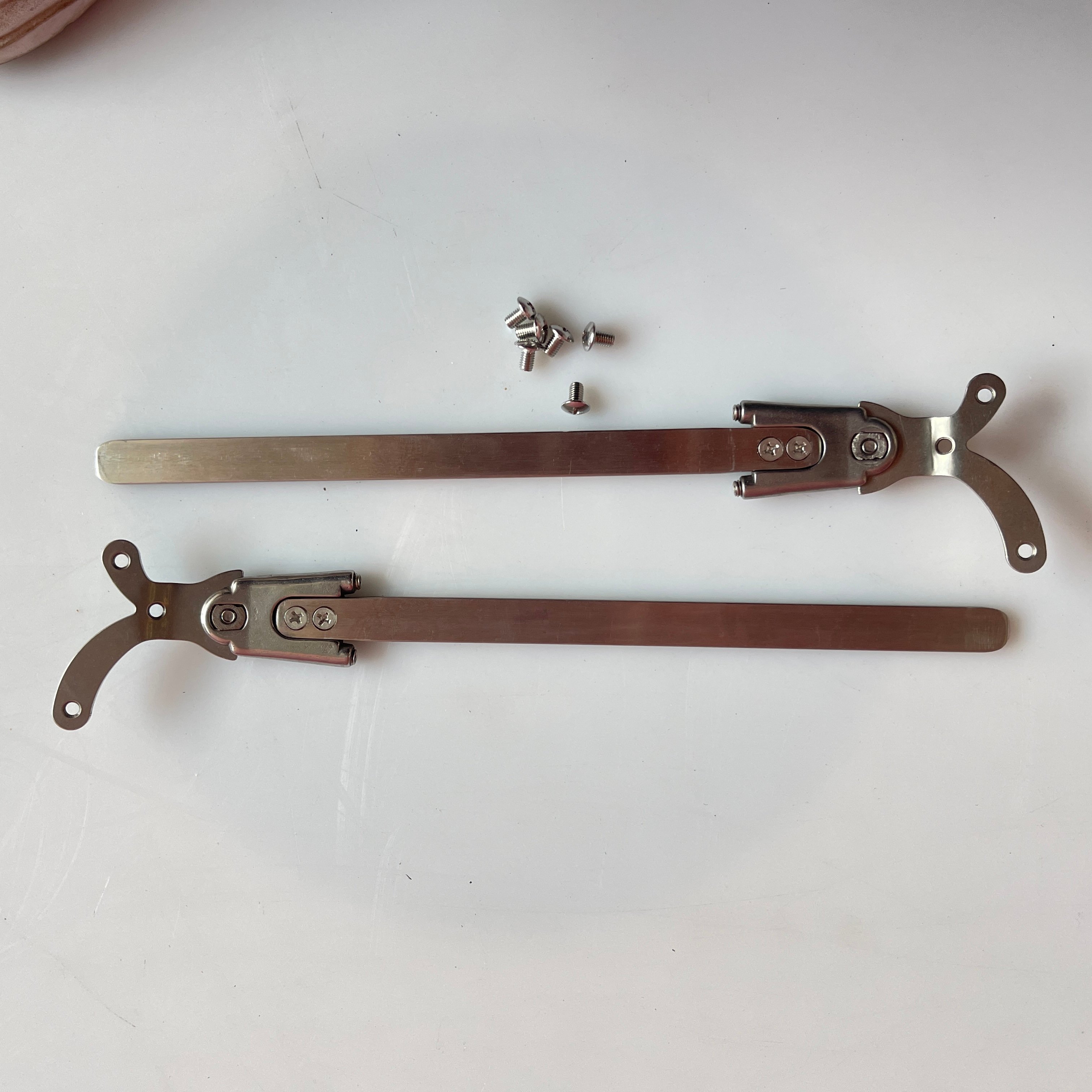
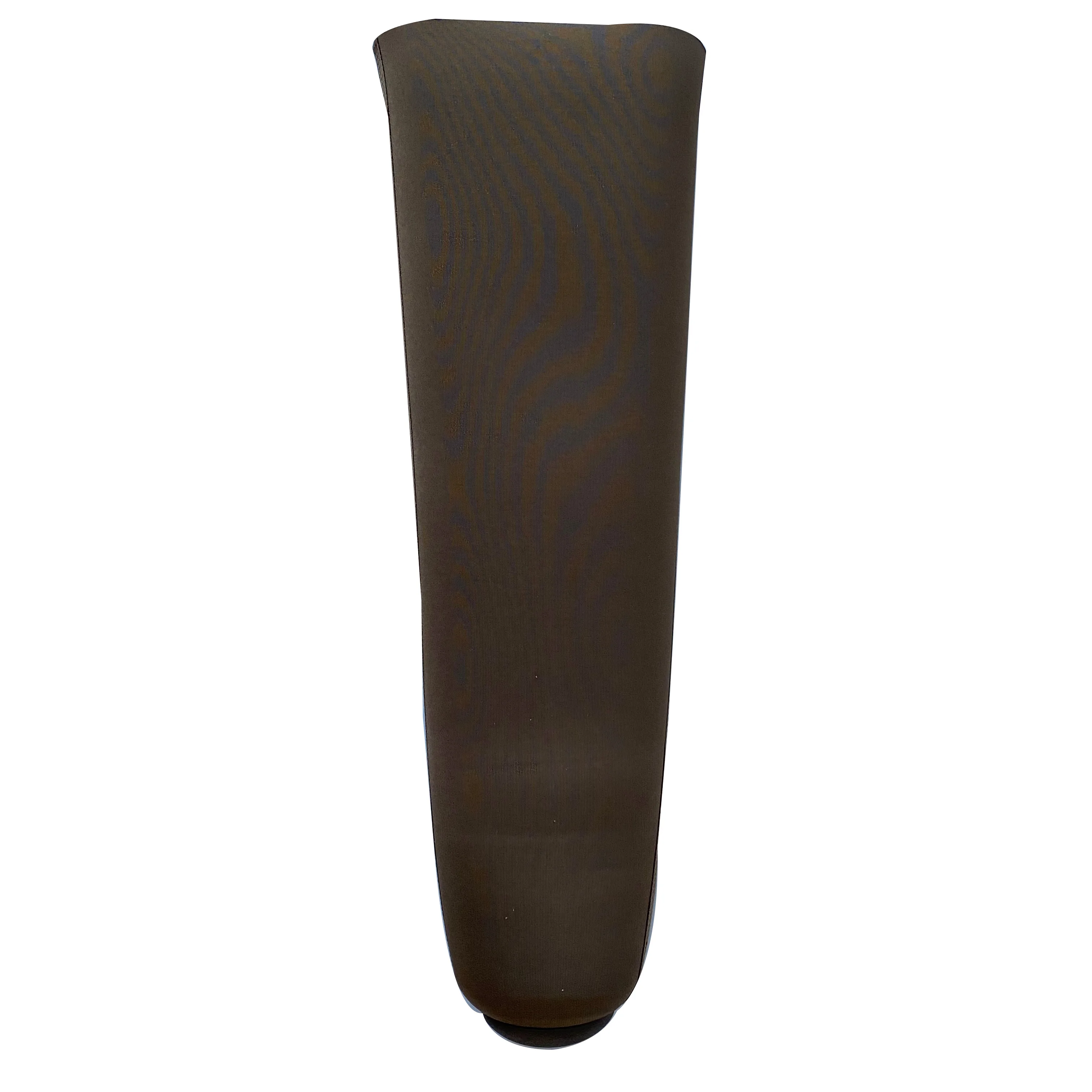
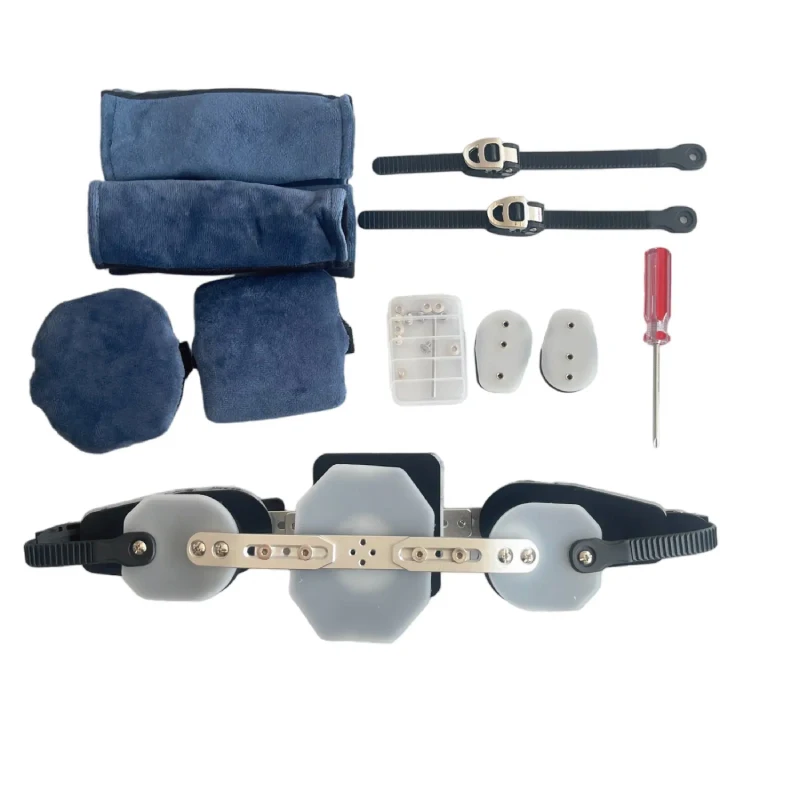
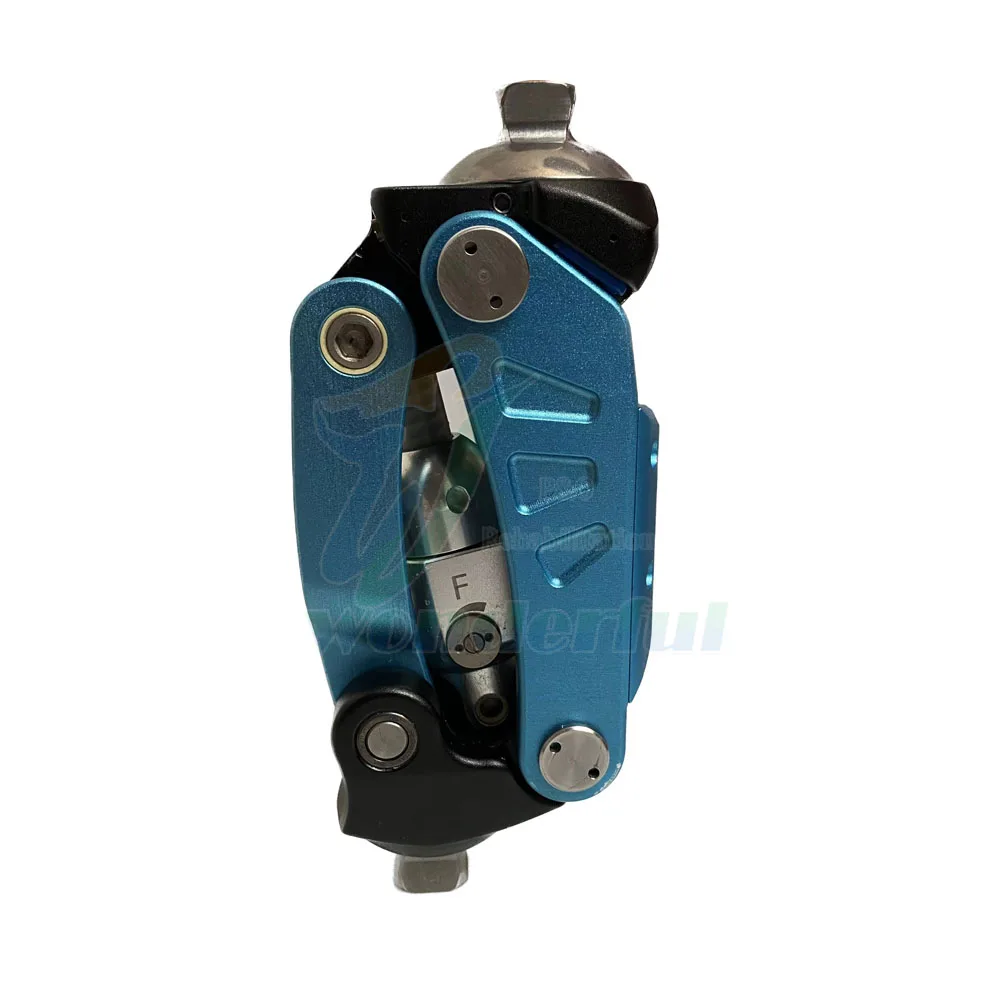
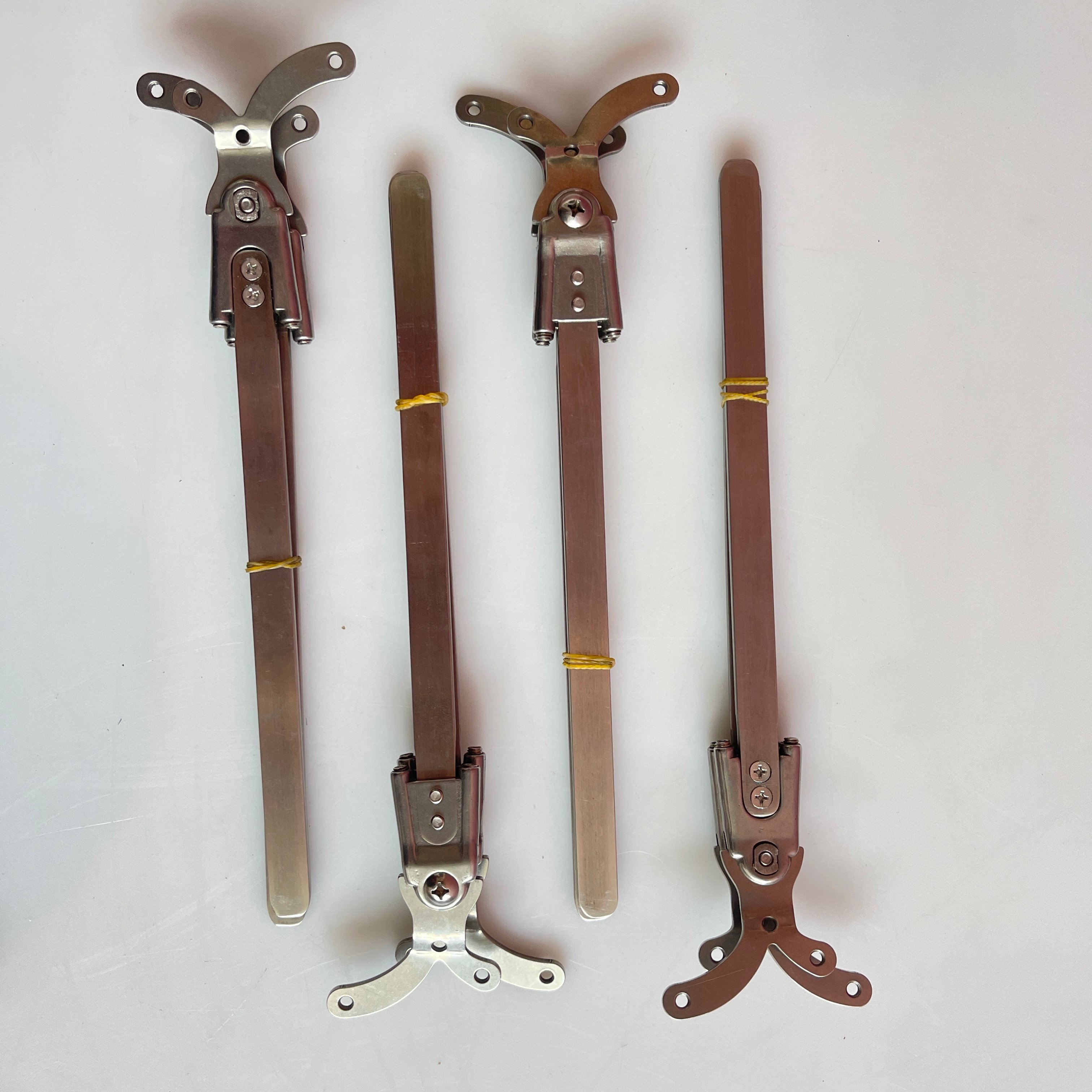
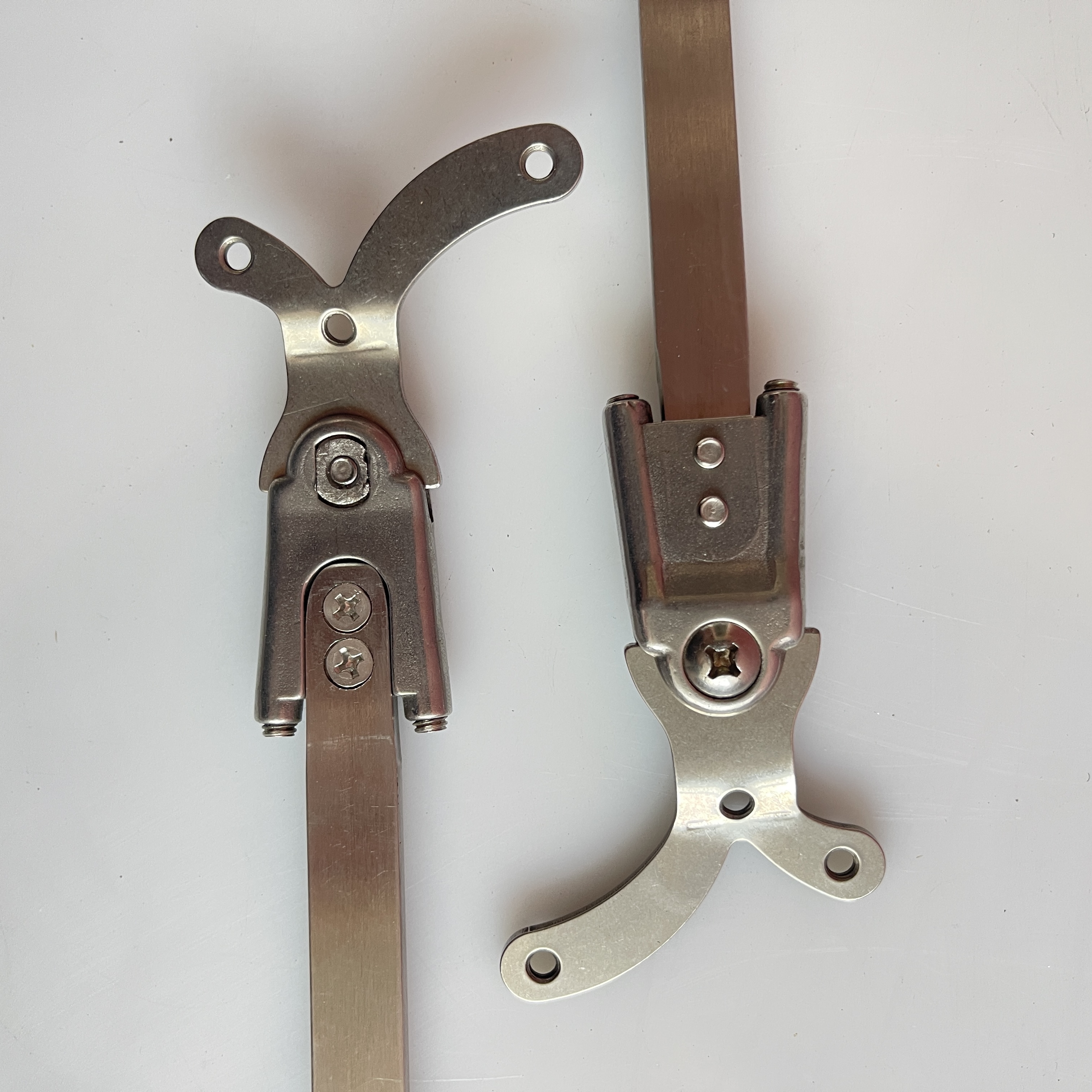
Our prosthetics orthotics design is rooted in user needs, blending functionality with comfort. For prosthetics (bionic knees, hands), we focus on natural movement—mimicking human joint mechanics via R&D-refined structures, and adjustable fittings to match individual body shapes. For orthotics (spring/ring locks, paraplegia hinges), we design multiple widths (20/17/13mm) for adults and kids, with ergonomic contours to avoid skin irritation. We also prioritize adaptability: modular designs for easy upgrades, lightweight structures for all-day wear, and even kid-friendly colors to boost acceptance. Crafted in our high-precision workshop, our prosthetics orthotics design ensures each product integrates seamlessly with users’ lifestyles—whether for work, sports, or daily routines—reflecting our focus on practical, user-centric innovation.
Get A Quote
 EN
EN




 ONLINE