Why Choose Us
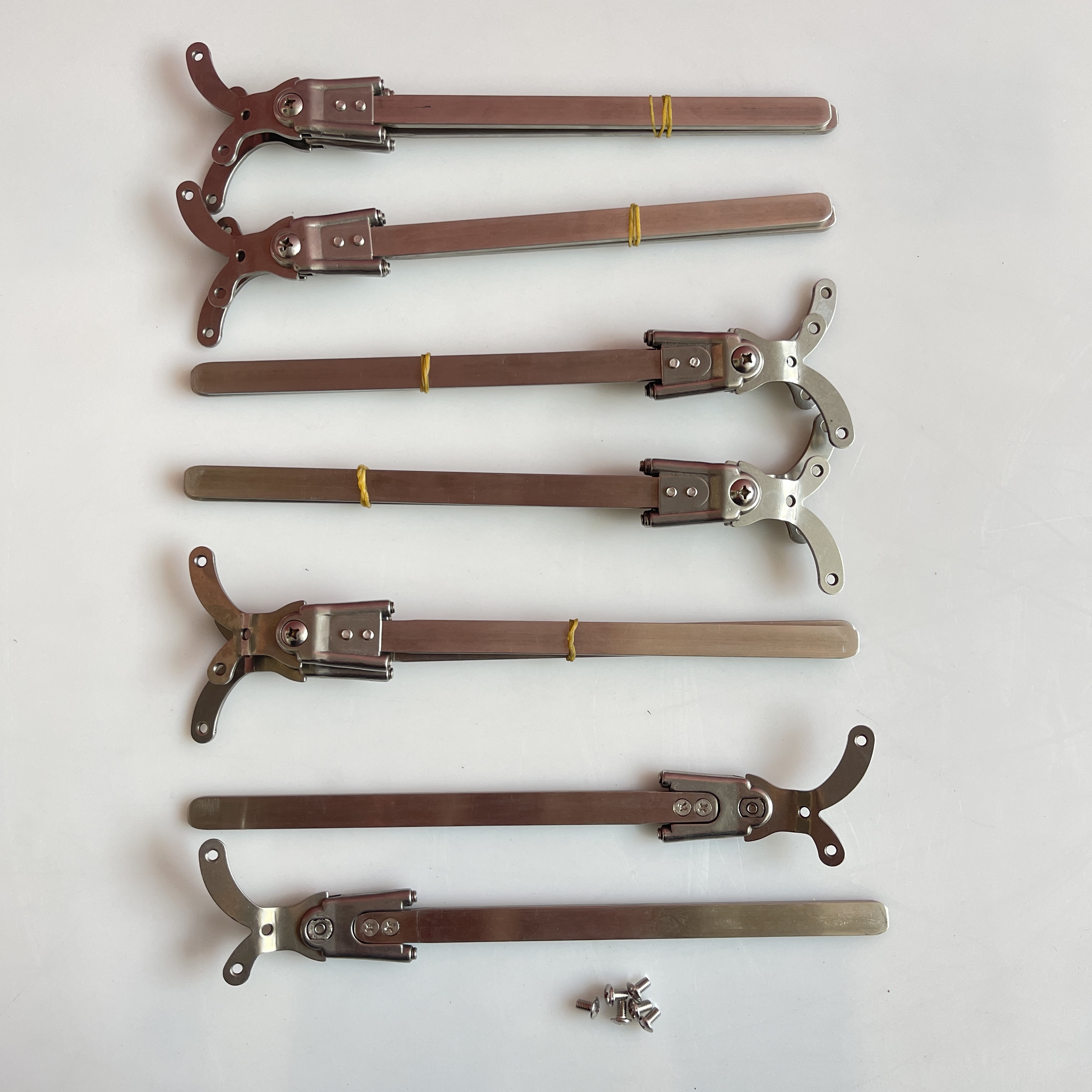
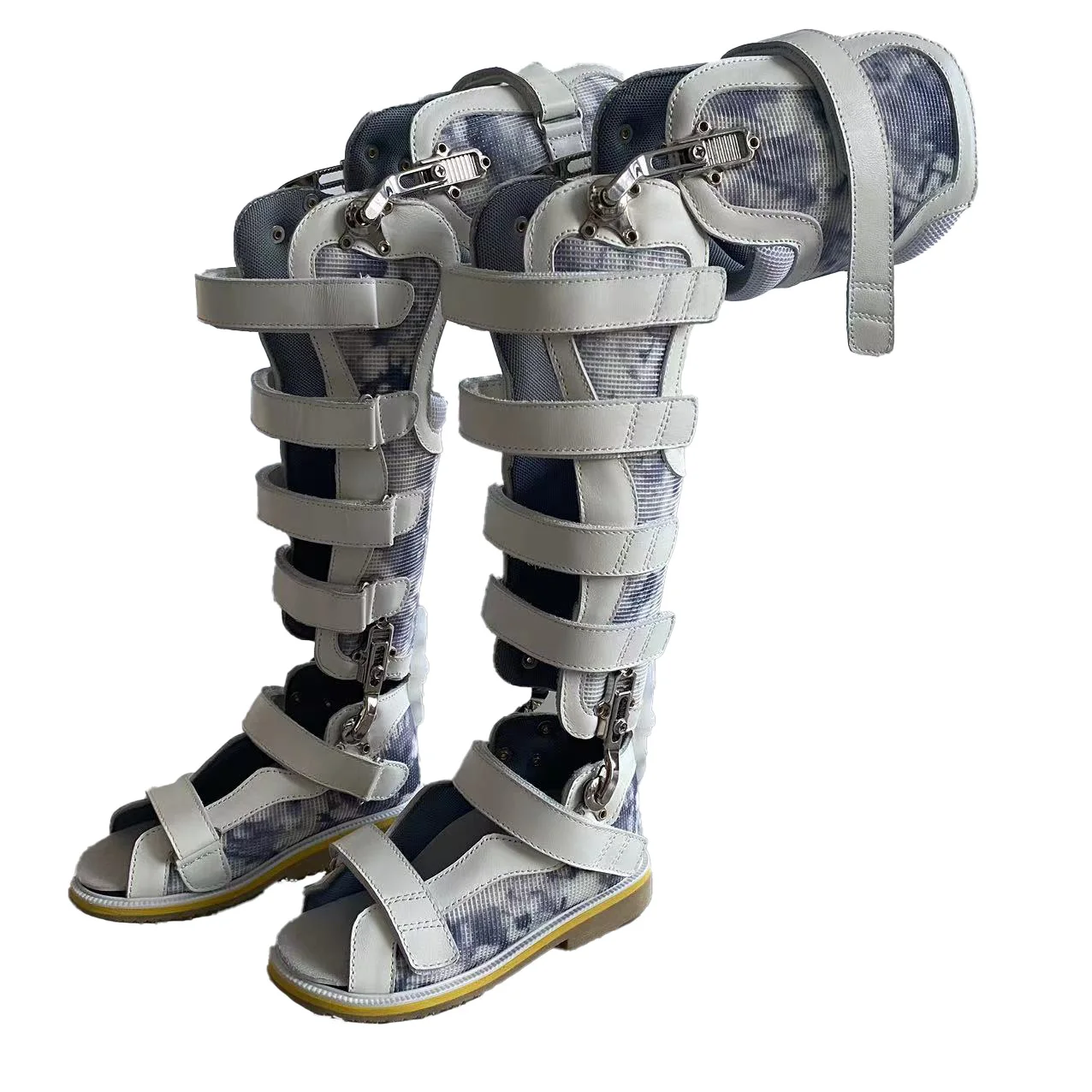
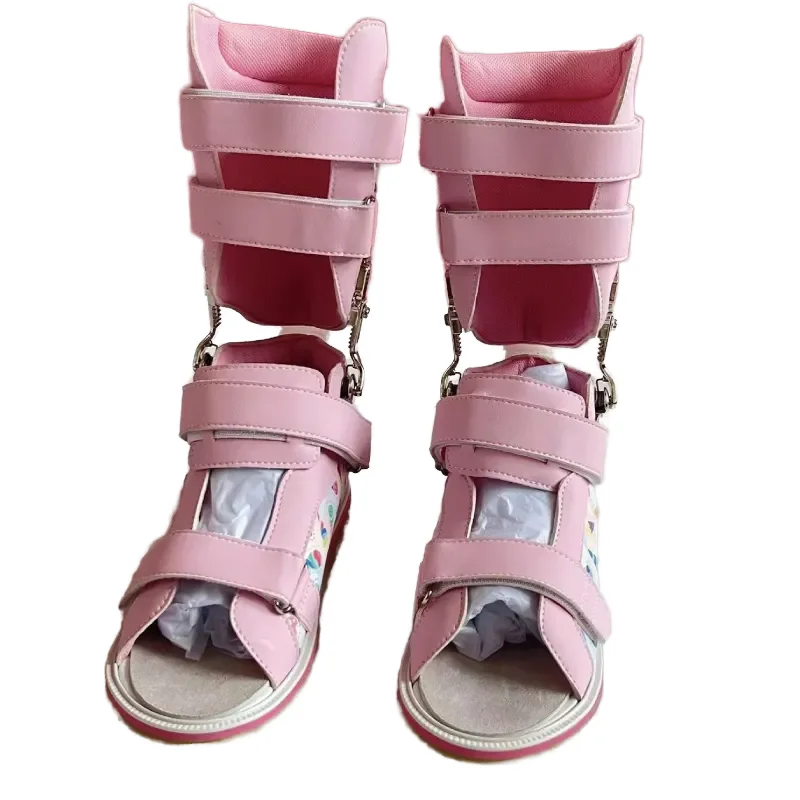
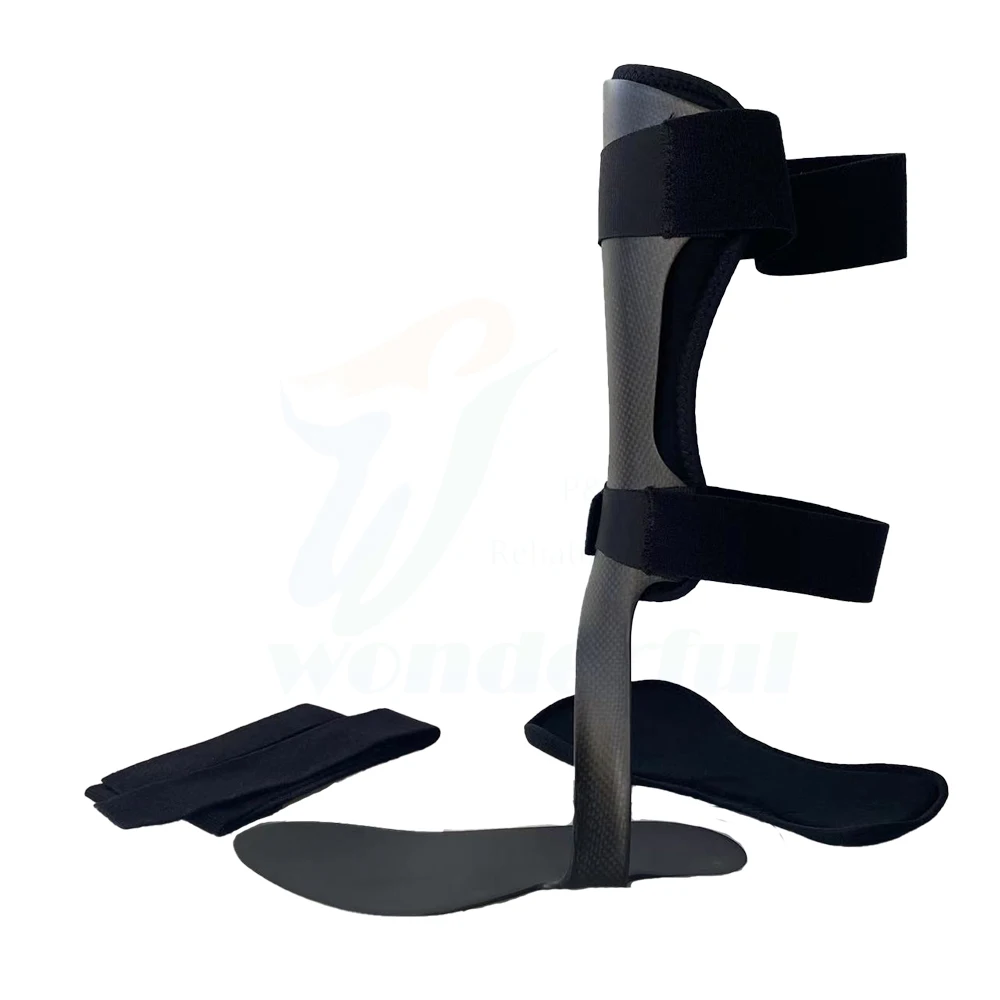
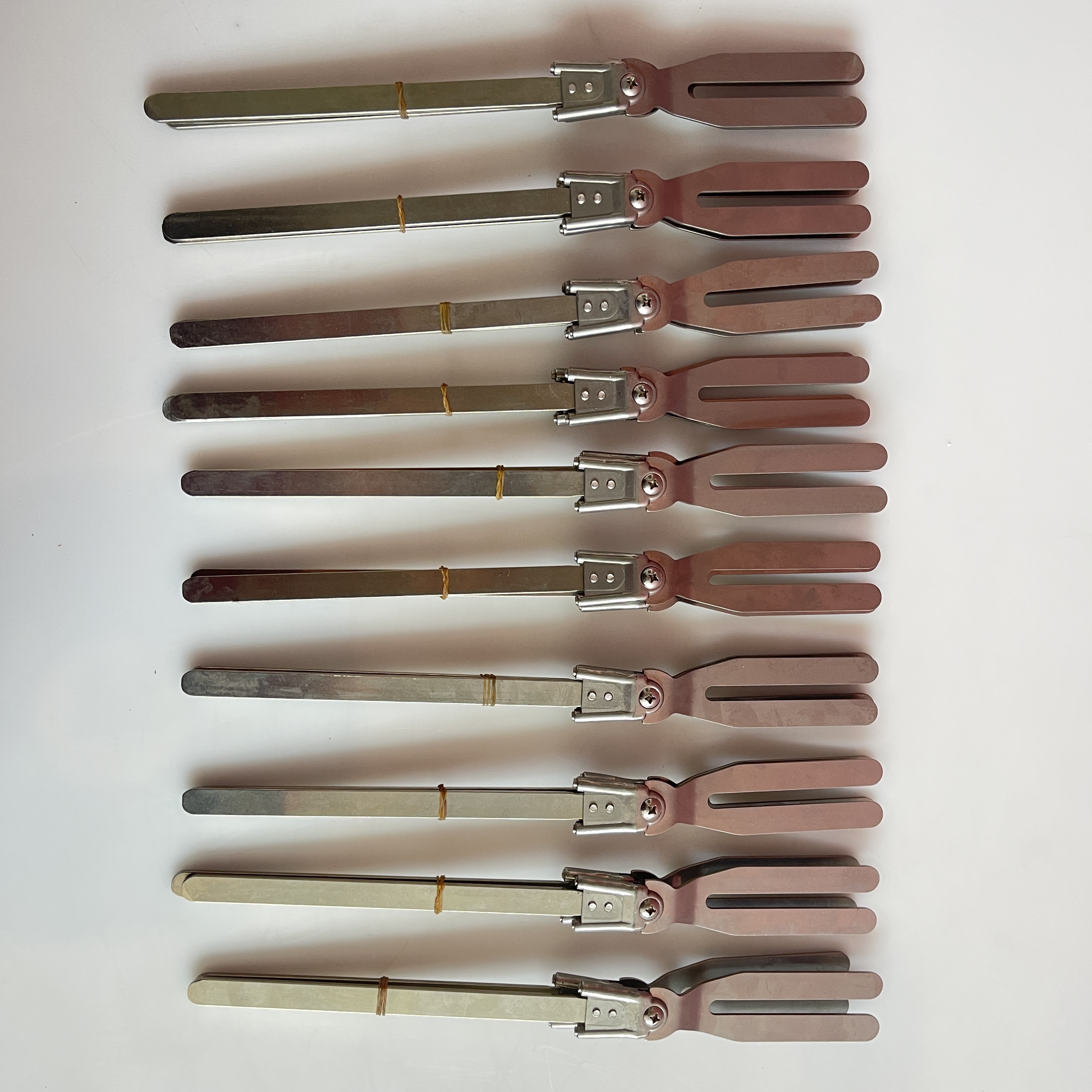
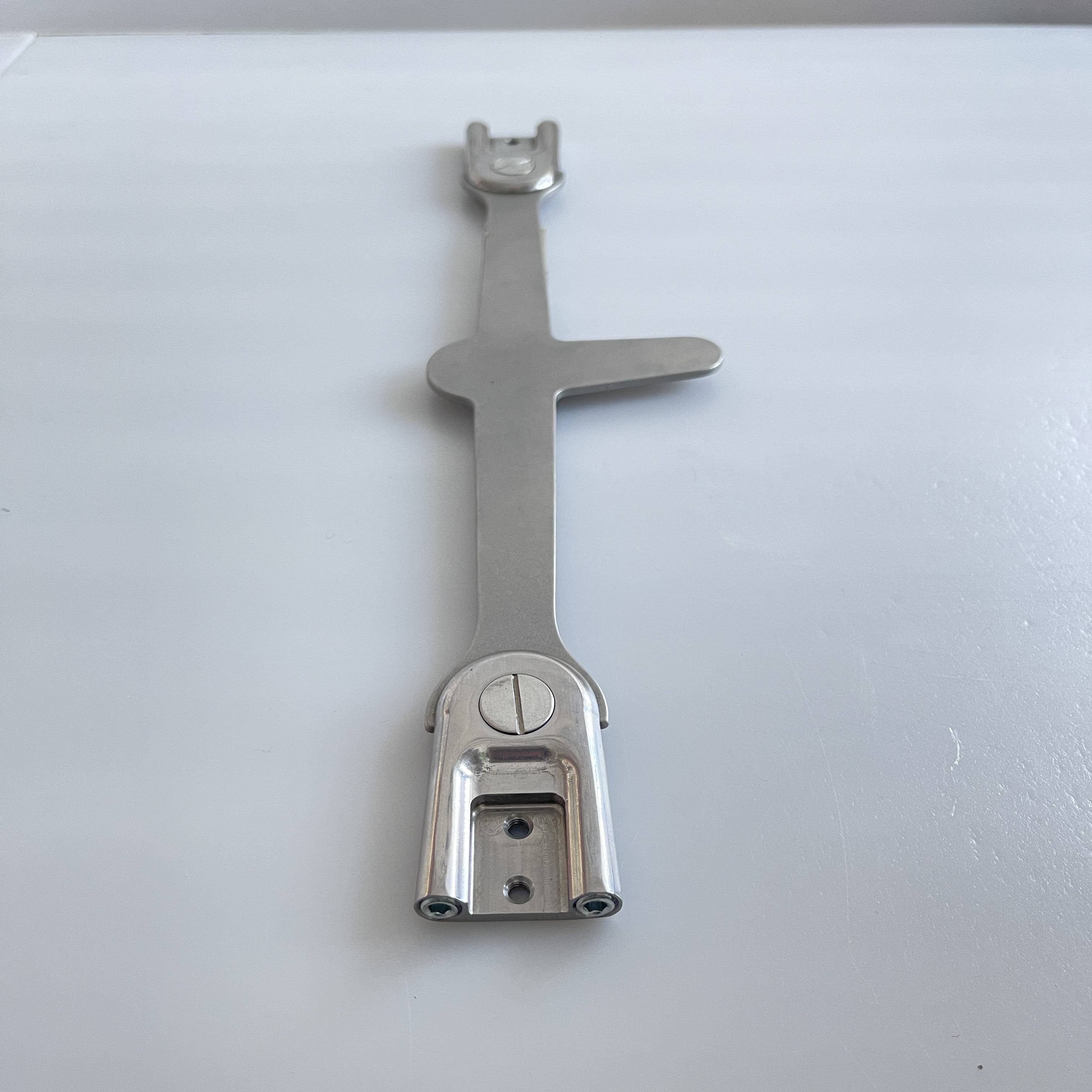
With over 20 years of expertise in prosthetic and orthotic production and sales, Shijiazhuang Wonderfu stands as a high-tech, production-oriented enterprise integrating R&D and manufacturing. We own a precision casting factory, CNC lathes, machining centers, dedicated high-precision assembly workshops, and an R&D laboratory—all ensuring top-tier, tech-driven products. Our main offerings cover a full range of prosthetics (feet, ankle/knee/hip joints) and orthotics (spring/ring/rear locks for all ages, paraplegia/poliomyelitis hinges), renowned for complete categories, stable quality, and competitive prices. Plus, we hold global certifications and multiple patents, guaranteeing reliability for every client.
 EN
EN




 ONLINE