 EN
EN

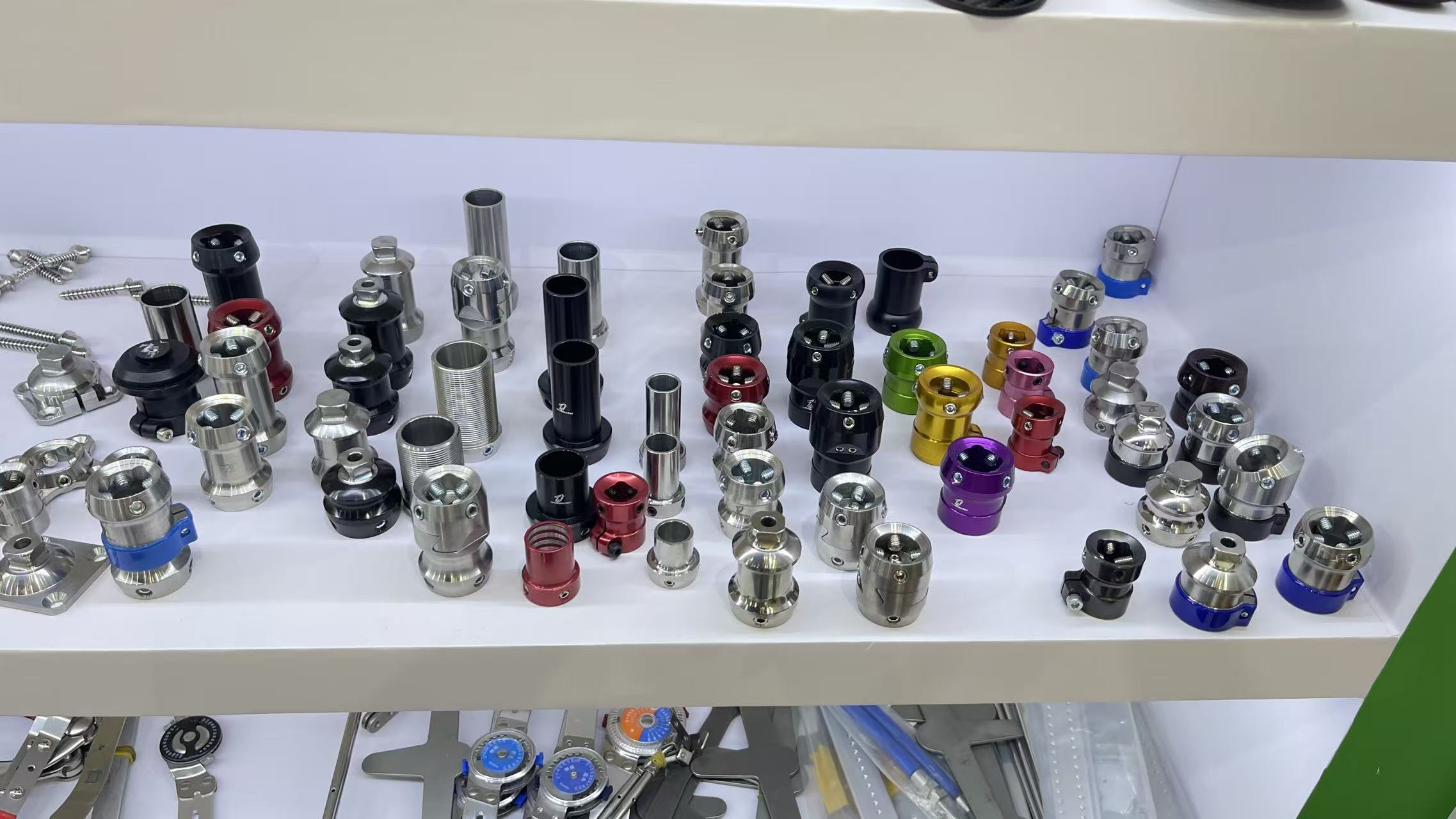
Why Body Type Determines Orthopedic Parts Effectiveness
Orthopedic parts must align with individual biomechanics to ensure proper function and longevity. Your body's unique structure directly impacts how medical devices interact with joints and tissues.
Biomechanics 101: How anthropometrics affect load distribution and joint alignment
People's bones come in all sorts of shapes and sizes really. The way limbs are long or short, how wide someone's hips are, even the curve of their spine affects how forces move through the body. For taller folks, there's just more twisting force on knee implants when they walk around normally. And those with broader builds tend to put different pressures on hip replacements unless everything lines up right. Getting things properly aligned means finding the right spots based on where joints naturally angle and what kind of bone density exists in each person. When this goes wrong though, implants wear out faster than expected, leading to wobbles in movement or nagging pains down the road. A study published last year in the Journal of Biomechanics backs this up pretty clearly.
The limitations of universal sizing: Evidence from the 2023 AAOS Fit Study
The problem with standard implant systems is they just don't fit everyone properly, something the American Academy of Orthopaedic Surgeons discovered through their Fit Study. Looking at around 2,100 patients, researchers found that nearly one third had implants that didn't match their knee or hip anatomy when using the generic sizing charts. And this mismatch comes at a cost. Patients who got ill-fitting implants ended up needing revision surgery almost 30% more often within just two years. The issue hits overweight individuals especially hard. We've seen cases where these patients experience implant displacement three times more frequently than those who received custom-sized solutions tailored to their unique body measurements. These numbers make it clear that getting the right size isn't just nice to have but absolutely necessary if we want good long term results from orthopedic procedures.
Critical Patient Factors for Selecting the Right Orthopedic Parts
Orthopedic parts effectiveness hinges on personalized alignment with biomechanical needs and lifestyle demands. Unlike generic solutions, ideal selections integrate functional priorities with anatomical realities to optimize stability and mobility.
Activity level and functional goals: Balancing support, mobility, and long-term adaptation
The stress on joints for competitive athletes is completely different compared to what seniors need for their everyday movements. When running at full speed, these athletes experience forces up to eight times their body weight according to a recent study published in the Journal of Sports Medicine last year. That kind of impact requires really strong support systems. On the flip side, people with arthritis are more concerned about reducing friction between joints and keeping them moving smoothly without pain. What someone actually needs to function day to day determines which materials work best for their situation.
- Elite athletes: Carbon fiber reinforcements for load distribution
-
Sedentary patients: Lightweight polymers minimizing metabolic cost
Mismatched solutions risk premature wear or restricted mobility—over 67% of revision surgeries stem from inadequate activity accommodation, according to AAOS data (2023).
Age, weight, and anatomical landmarks: Their direct impact on orthopedic parts fit and stability
After age 50, bone density tends to drop about 1 to 2 percent each year, which means doctors need to think carefully about how weight is distributed when designing implants for people with osteoporosis. The problem gets worse with weight changes too. For instance, adding just 5 kilograms to someone's body weight actually puts between 15 and 30 kilograms more pressure on their knees while they walk around. Things get even trickier because everyone's bones are shaped differently. Take tibial torsion or those angles in the femoral neck for example. Standard implant sizes just don't work well for many Asian patients since their bones tend to be narrower inside. According to a study published in International Orthopaedics last year, nearly 4 out of 10 Asian patients end up needing custom fittings instead of off-the-shelf solutions.
| Measurement | Impact on Fit |
|---|---|
| Femoral head offset | Determines hip rotation stability |
| Tibial plateau width | Affects weight distribution |
| Ignoring these factors elevates dislocation risks by 300% in obese patients over 80 kg (Clinical Biomechanics, 2023). |
Modern Fitting Technologies That Improve Orthopedic Parts Accuracy
3D scanning vs. traditional methods: What the 2024 JPO meta-analysis reveals about precision
When it comes to making orthopedic parts, modern 3D scanning tech just beats out old school casting methods in terms of accuracy. A recent look at 27 studies published in the Journal of Prosthetics and Orthotics back in 2024 found that 3D scanning cuts down on measurement mistakes by around two thirds when doctors need to map those tricky anatomical points. Better fitting means better results overall because how well something aligns affects everything from weight distribution to how long implants last. Let's face it, traditional plaster molds have always had issues with shrinking as they dry out, creating variations of about 3.7 mm typically. Digital scans? They pick up details down to fractions of a millimeter, which makes all the difference in the world for patients needing custom fittings. Here are some numbers worth noting:
| Measurement Factor | Traditional Methods | 3D Scanning Technology |
|---|---|---|
| Surface detail accuracy | 78% | 97% |
| Landmark positioning error | 4.2 mm | 1.1 mm |
| Post-fit adjustment rate | 33% | 8% |
Data compiled from JPO meta-analysis (2024) of 1,428 patient cases
The precision advantages directly impact patient outcomes. Scan-based implants require 40% fewer intraoperative adjustments during placement. This technology also enables personalized orthopedic parts manufacturing that accounts for unique bone density variations and asymmetries. Faster scanning workflows (under 8 minutes per limb) further streamline fitting processes without compromising data quality.
Matching Orthopedic Parts to Lifestyle, Durability, and Long-Term Health
Finding suitable orthopedic components means matching their specs to what people actually do day to day and how much strain they put on their bodies. Active folks need parts that offer good flexibility and absorb shocks to avoid wearing out too fast when doing things that hit hard. People who sit around a lot get more value from stiffer supports that keep spines or joints lined up properly during long hours at desk jobs. How long these parts last depends heavily on material quality. Research from 2023 shows top tier plastics and special metal blends can handle repeated stress about 47 percent better than regular materials. That means less frequent replacements and fewer operations down the road. When orthopedic devices fit right, they spread pressure across the body more evenly, which stops problems like inflamed joints or damaged tissues from developing later on. Those who go for this comprehensive method tend to have roughly two thirds fewer issues moving around after five years than people who just grab whatever is available off the shelf.
FAQs
Why is body type important for orthopedic parts effectiveness?
Body type determines how forces move through the body, requiring implants to be aligned with individual biomechanical needs for optimal function and longevity.
What are the limitations of universal sizing for orthopedic parts?
Universal sizing often leads to mismatched implants, which can result in increased revision surgeries and complications, especially in individuals with unique body measurements.
How does modern 3D scanning technology improve orthopedic part fit?
3D scanning technology reduces measurement mistakes and improves the fit of implants by capturing detailed anatomical points, resulting in better alignment and fewer post-operative adjustments.
What factors should be considered when selecting orthopedic parts?
Factors to consider include activity level, body weight changes, bone density, and anatomical landmarks to ensure the selected orthopedic parts provide stability and mobility tailored to the individual's needs.