 EN
EN

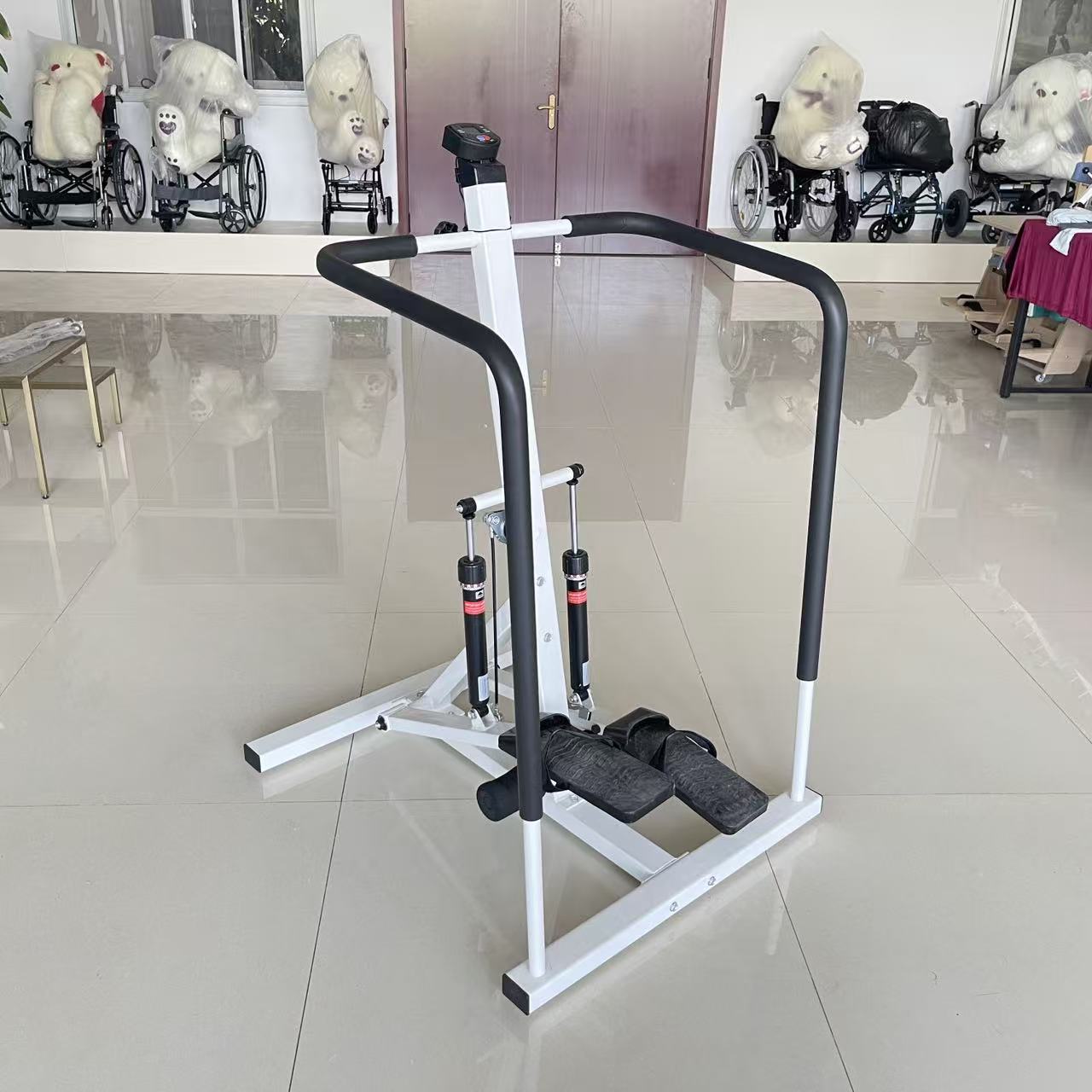
The Evolution of Rehabilitation Devices in Clinical Practice
From passive aids to intelligent, adaptive systems
The world of rehab tech has changed dramatically over recent years. What used to be simple mechanical supports are now smart systems powered by artificial intelligence that tweak therapy settings as they go along. Back in the day, those early braces just provided basic support with little flexibility. But nowadays, we see robotic exoskeletons that actually learn from patient movements through built-in sensors. These modern devices can adjust resistance levels during walking exercises, which helps correct movement patterns crucial for people recovering from brain injuries. Plus, they collect detailed data about each session. Clinics around the country started seeing results pretty quickly after adopting this technology. One study found that stroke survivors who worked with these advanced systems recovered their mobility functions about 34 percent faster than those sticking to traditional methods according to research published in the Journal of NeuroEngineering last year.
Neuroplasticity and motor learning: The science behind device efficacy
Smart rehab gadgets work with something called neuroplasticity, which basically means the brain can change and create new connections when needed. These devices use lots of repeated practice on specific tasks while combining sights, sounds, and touch feedback to help build better motor skills. Take VR gloves for example they track hand movements in real time as someone practices grabbing objects, helping their brain adapt faster. Studies show that people using these tech-based therapies remember what they learn about 41 percent better than those sticking to old school methods according to a report from Frontiers in Neurology back in 2023. Rather than just sitting there doing nothing, these modern tools actually become partners in the healing process, pushing forward the brain's ability to recover after injury.
Robotic and VR-Based Rehabilitation Devices for Neurological Recovery
Evidence from stroke and spinal cord injury trials
The latest robotic and virtual reality rehab tools are changing how we approach recovery after brain injuries. They provide those high repetition exercises that our brains need to form new neural connections and regain lost motor skills. Research from the Neurorehabilitation Journal shows stroke survivors who work with robotic exoskeletons tend to recover up to 50% better in their arm function compared to traditional therapy methods alone. For people with spinal injuries, VR systems really help with spatial awareness and connecting thinking processes to physical movement. These immersive environments make rehabilitation feel less like a chore and more like an interactive game with clear goals. A big study looking at 41 different analyses concluded that VR based treatments definitely boost balance, mobility, and hand function across various neurological disorders. But researchers also point out that not all studies are created equal, so bigger clinical trials would help establish standard treatment protocols. What makes these technologies stand out is their ability to measure exactly what's happening during each session. Clinicians get detailed biomechanical data in real time, which means they can track progress objectively rather than relying solely on what patients report themselves.
Wearable Rehabilitation Devices and Remote Therapeutic Monitoring
Enabling personalized dosing, adherence tracking, and home-based continuity of care
Wearable rehab tech is changing how we deliver care in three main ways. For starters, these gadgets come with sensors that pick up on movement details like joint angles and muscle effort in real time. Therapists then adjust workout intensity based on what they see, tailoring exercises to each person's needs. The second big plus is keeping track of whether patients actually follow their rehab plans. Studies indicate that when people get regular check-ins and visual updates about their progress via remote monitoring systems, they stick with their routines around 47% more often than before, according to findings published last year. Lastly, all this ongoing data collection makes it easier for doctors to tweak home therapy programs without needing face-to-face visits. Patients receive specific instructions based on actual performance numbers, which creates a feedback loop between clinic sessions and daily life at home. Hospitals report seeing nearly 30% fewer readmissions since implementing such systems, plus individuals now have concrete goals to work toward during recovery.
Bridging Evidence Gaps: Adoption, Accessibility, and Value of Rehabilitation Devices
The potential of rehabilitation devices is clear, but getting them widely adopted faces some serious roadblocks. Three main issues stand in the way: lack of solid evidence, limited access for many patients, and questions about whether they actually deliver value for money. We really need better long term research to see if these devices actually make a difference over time compared to what we normally do. Money matters too. These gadgets can be expensive and insurance doesn't always cover them. When people can't get help when they need it, the cost adds up fast. Research from the Ponemon Institute shows that waiting just means paying more later on average around $740,000 extra in medical bills across someone's lifetime. If anyone wants to invest in these technologies, they'll have to show clearly how they cut down on long term reliance on other forms of support and improve real lives beyond just temporary fixes.
- Personalized therapeutic dosing, guided by continuous biometric monitoring
- Early intervention, preventing secondary complications like contractures or deconditioning
- Remote rehabilitation access, expanding reach to rural and underserved populations
Quantifying reductions in hospital readmissions, caregiver burden, and long-term care utilization—alongside faster functional recovery—will solidify the clinical and economic case for integration.
FAQ Section
What is neuroplasticity in rehab devices?
Neuroplasticity refers to the brain's ability to change and form new connections, which is leveraged by rehab devices to aid recovery through repeated practice and sensory feedback.
How do wearable devices enhance rehabilitation?
Wearable devices use sensors to collect movement data in real time, allowing therapists to tailor exercises to a patient's specific needs and track adherence to rehab plans remotely.
Why is there resistance to adopting rehabilitation devices widely?
Challenges include a lack of long-term research, limited patient access, high costs, and uncertain economic benefits, which hinder widespread adoption.