 EN
EN

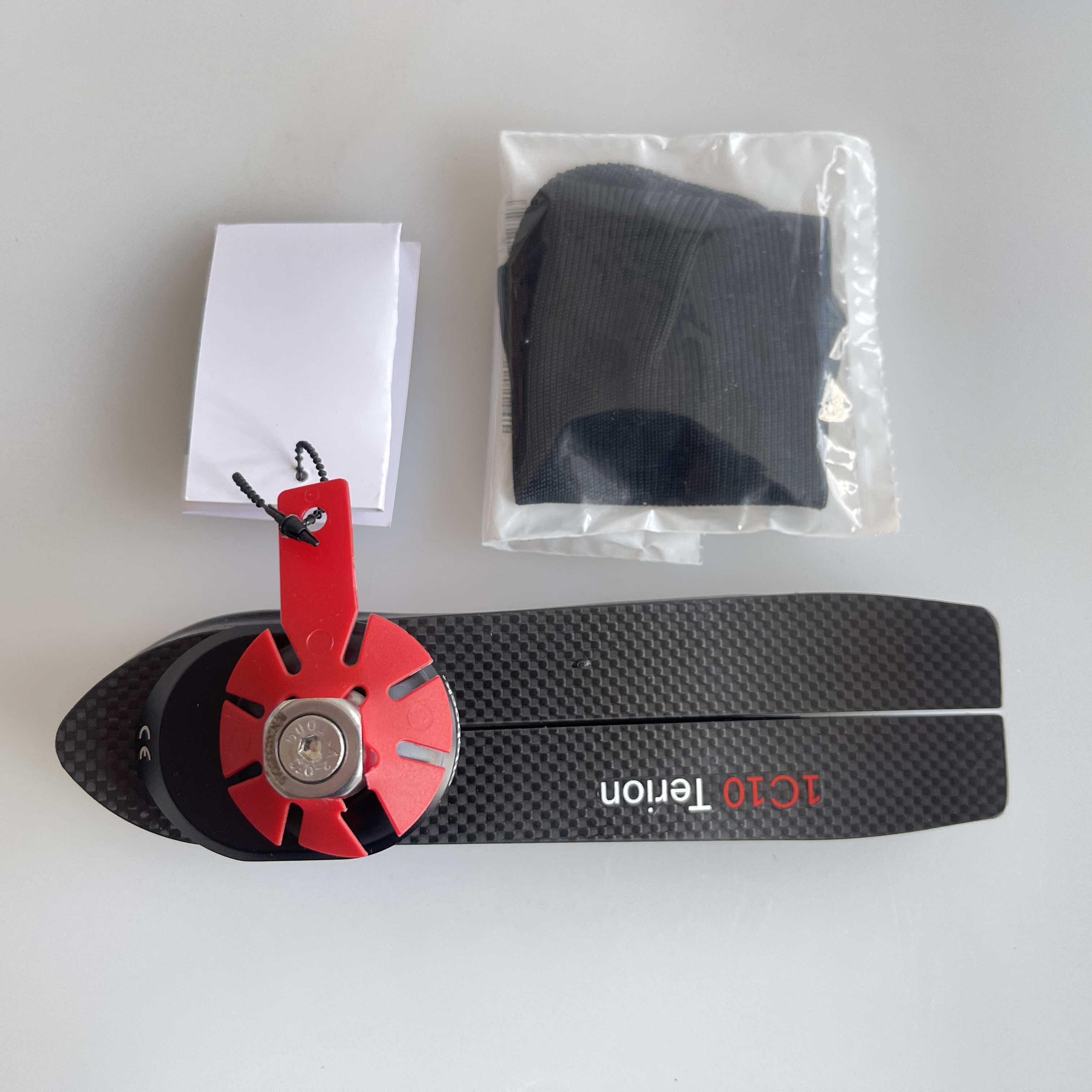
How Prosthetic Foot Design Enables Terrain-Specific Mobility
Multi-Axis and Multiaxial Prosthetic Feet for Natural Ankle Adaptation on Uneven Ground
Feet with multiple axes mimic how our ankles actually work across different directions, allowing for movements like bending forward, pointing downward, tilting inward, and outward. People who use these prosthetics find they stay balanced much better when walking over uneven terrain like mountain paths or old city streets because the foot can adjust instantly to whatever comes next. Active folks climbing hills or going up/down steps benefit especially since these advanced systems cut down on those extra motions our bodies make to compensate, which tends to wear out joints faster. According to some recent field research published last year in the Journal of Rehabilitation Research, people using multi-axis feet stumbled about 30 percent less often than those with traditional single-axis models.
Hydraulic and Pneumatic Damping Systems for Stable Ambulation on Gravel, Grass, and Slopes
When moving across rough or squishy ground such as gravel paths, damp lawns, or muddy patches, hydraulic and pneumatic damping systems help soak up those jarring hits. The tech works by adjusting how much resistance there is underfoot. It gets softer right when someone lands on their heels to cushion the blow, then becomes firmer again as toes push off the ground to give extra lift. This back and forth action keeps people from sinking into soft spots while still giving them steady footing even on slopes. People who've tried these systems say they actually save around 40 percent of their usual energy when climbing grassy hills compared to regular shoes. That means longer walks outside before getting tired, all while staying safe on tricky terrain.
Microprocessor-Controlled Prosthetic Feet: Real-Time Terrain Recognition and Adaptive Response
Feet controlled by microprocessors come equipped with built-in sensors and smart software that can spot changes in surfaces almost instantly. Imagine walking from smooth pavement onto soft sand or stepping off a sidewalk onto rough gravel. The system reacts right away, changing the ankle position, adjusting how stiff or flexible it is, and modifying how much resistance there is to keep things balanced. People using these advanced prosthetics have shown about half as many falls when moving around different kinds of ground, thanks to those quick fixes that stop potential trips before they happen. What makes all this possible is constant adjustment throughout the day, whether someone is climbing stairs or navigating cracked sidewalks after a storm.
Clinical Matching: K-Level Classification and Terrain-Appropriate Prosthetic Foot Selection
Getting the right prosthetic foot for different types of ground requires looking at how mobile someone actually is through something called the K-Level system. Medicare uses this classification to decide if someone needs those fancy advanced parts. The levels go from K1 where people mainly stay around their homes, all the way up to K4 for folks who want to play sports that hit hard on the legs. These ratings aren't just about what someone can do today but what they might need to do in the future. When someone falls into the higher categories like K3 or K4, it means they're ready for tricky surfaces like hills, rocky paths, or bumpy city streets. That usually means going for special designs such as feet with multiple moving parts or even ones controlled by tiny computers inside them.
When assessing patients after amputation, rehab teams look at several factors including what kind of activities they did before losing their limb, how their remaining limb looks and functions, their balance abilities, and overall muscle control. These observations help predict how mobile someone might be in the future according to Medicare's functional classification system. Getting the right prosthetic equipment matters a lot. Putting a simple SACH foot on someone classified as K3 often leads to problems walking on uneven ground since it doesn't provide enough support. On the flip side, matching high tech options like energy return or hydraulic feet with the correct K-Level classification makes all the difference. Patients get better stability, fewer falls, and can handle various situations from smooth sidewalks to rough trails much more safely.
Real-World Performance: Stability, Energy Efficiency, and Fall Risk Reduction Across Environments
Evidence-Based Reduction in Tripping and Instability with Adaptive Prosthetic Foot Stiffness
Adaptive stiffness tech helps cut down on tripping risks because it adjusts resistance as people walk over different kinds of ground. The system works kind of like how our ankles normally respond when we shift our weight from one foot to another. Studies show folks using these devices stumble about 30 percent less often on tricky surfaces such as gravel paths or sloped areas than those with regular fixed designs. According to research published in the Journal of Rehabilitation Research back in 2022, there's also around a 25% drop in those extra movements people make to compensate for instability. Fewer falls mean fewer trips to the hospital, which gives users more confidence when walking around outside their homes.
User-Reported Outcomes with Energy-Return Prosthetic Feet in Mixed-Terrain Daily Life
Prosthetic feet that return energy help people move around better every day because they store and release kinetic energy as someone walks. Most users find it much easier to walk on different surfaces like grass, sand, or city streets where the ground isn't flat or consistent. The difference is pretty significant too – climbing hills takes about 40% less effort, and moving over uneven terrain feels smoother overall. People who use these devices tend to stay active longer throughout their day. Recent surveys from 2024 show that individuals are taking roughly 35% more steps daily compared to before getting their new prosthetics. This means greater independence for everyday activities and better stamina when facing real life challenges outside controlled environments.
FAQ Section
What are multi-axis prosthetic feet?
Multi-axis prosthetic feet mimic natural ankle movements, allowing for multidirectional motion that improves balance on uneven terrain.
How do damping systems help in prosthetic foot design?
Hydraulic and pneumatic damping systems adjust resistance, absorbing impact and providing steady footing on rough ground.
What is the K-Level system?
The K-Level system classifies mobility levels, helping in selecting terrain-appropriate prosthetic feet based on user needs.
How do microprocessor-controlled prosthetic feet work?
These feet use sensors and smart software for real-time terrain recognition and adaptive adjustments to prevent falls.