 EN
EN

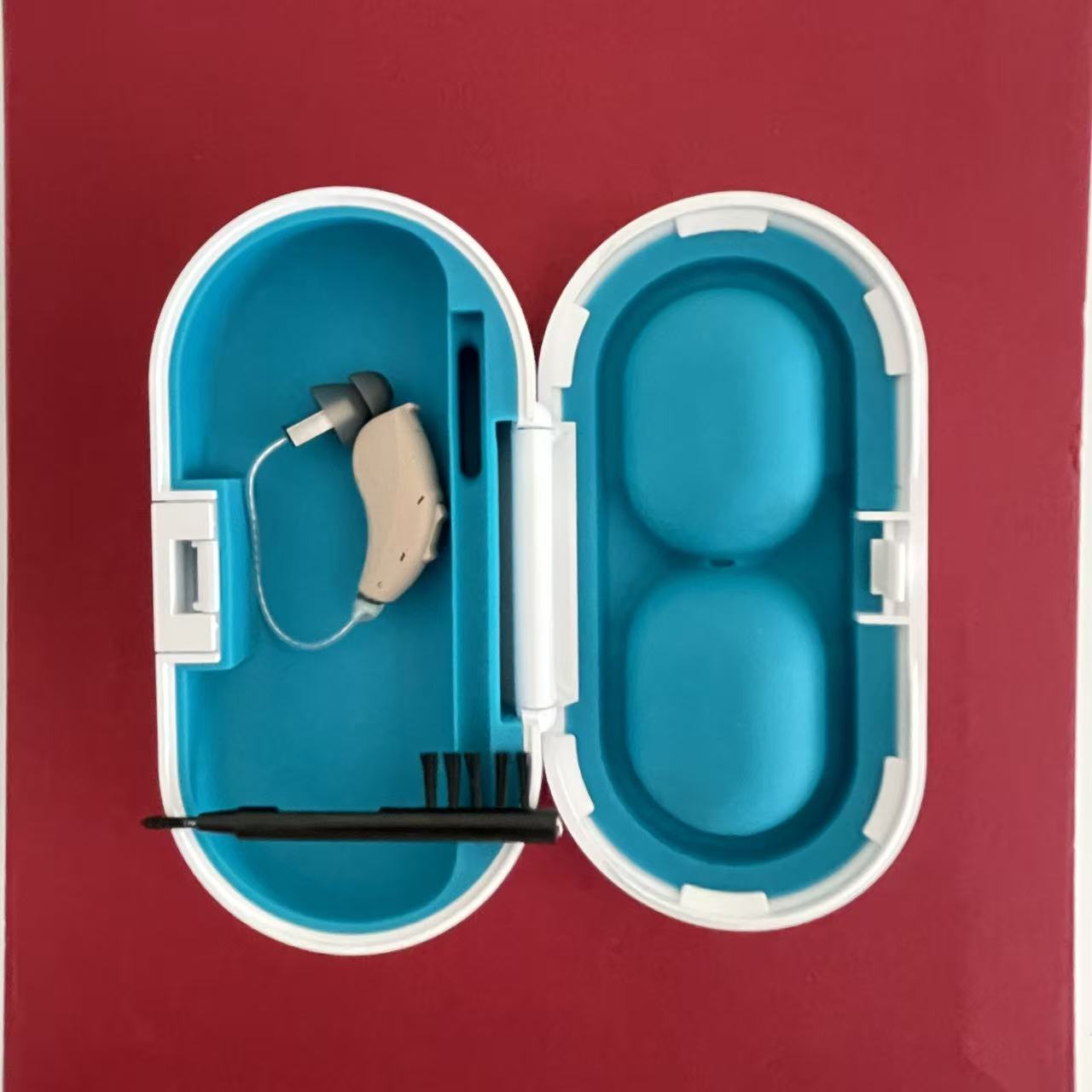
Why the Brain Needs Time to Adapt to Hearing Aids
Neuroplasticity and auditory recalibration after hearing loss
Our brains need time to get used to wearing hearing aids thanks to something called neuroplasticity: basically, how our nervous system can reshape itself when faced with new sensory experiences. Once someone starts losing their hearing, the brain often finds workarounds by focusing more on other senses like sight or trying to make sense of muffled sounds that don't quite match what they expect. When hearing aids come back into play with clearer, louder sounds, the part of the brain responsible for processing audio has some serious catch-up work to do. It needs to learn all over again how to tell voices apart from background noise, ignore annoying frequencies, and eventually perceive sounds as they naturally occur. Studies indicate most people go through this adjustment period lasting around four to six weeks if they wear their devices regularly each day. During those first few weeks, common noises might seem too loud or strange at times. This isn't a sign that anything is wrong with the hearing aid though. Instead, it means the brain is actively working out how best to interpret these newly restored sound signals once more.
What happens during the first 6 weeks: A realistic adjustment timeline
A structured, evidence-based progression supports successful neural adaptation:
| Phase | Duration | Daily Wear | Focus Areas |
|---|---|---|---|
| Acclimation | Days 1–7 | 1–2 hours | Quiet environments, one-on-one talks |
| Expansion | Weeks 2–3 | 3–5 hours | Mild background noise (e.g., home with TV) |
| Integration | Weeks 4–6 | 6+ hours | Social settings, outdoor spaces |
Most people find their ears get really tired around the second week when the brain starts working harder to process all those extra sounds we hear through amplification devices. This actually shows the brain is actively adapting, not struggling. Taking regular breaks from listening and finding some quiet time helps keep our mental energy going longer. Around six weeks in, many users notice they can understand conversations better even when there's background noise, and it doesn't feel as mentally exhausting anymore. These improvements are pretty telling signs that the brain has successfully adjusted to hearing amplified sounds after being used to quieter environments for so long.
Getting the Right Fit: Comfort and Functionality of Hearing Aids
Getting comfortable with hearing aids makes all the difference when it comes to sticking with them long term. About 44% of people who stop wearing theirs say discomfort was their main problem. When the device fits right, it stops irritating the ears after hours of wear and keeps those tiny mics and speakers in place where they need to be for good sound quality. Custom made ear pieces that match each person's unique shape help cut down on annoying feedback noises and block out background sounds better, so conversations stay clear even in noisy places. Manufacturers now use lighter materials that let air circulate and won't cause allergic reactions, which means less tired feeling in the ears day after day. Audiologists work closely on both how well the device sits in the ear canal and its audio settings, adjusting things like volume levels and how it handles different types of sounds based on what works best for each individual's hearing needs and daily activities. This combination of comfort and sound tuning helps make hearing aids feel like part of normal life instead of something foreign, speeding up the process of getting used to hearing properly again.
Building Confidence with a Progressive Hearing Aids Wearing Schedule
Evidence-based daily wear progression: From 1–2 hours to full-day use
The gradual way of getting used to it still works best for most people wanting long term results. Start off with just an hour or two each day in quiet places like reading at home, then slowly add another half hour every few days. Around the third week mark, try moving into slightly noisier spots - maybe a coffee shop outside, chatting with friends in smaller groups, or listening to some tunes playing softly in the background. For many folks, wearing them all day becomes manageable after about six weeks. Going slow helps avoid overwhelming the brain's hearing center, letting it adapt naturally over time. Research from last year showed something interesting too: people who took their time adjusting had about a 60% better chance of sticking with their devices compared to those who jumped right into full day usage from day one.
Recognizing and managing auditory fatigue and sensory overload
Early-stage listening exhaustion—manifesting as concentration lapses, headaches, or irritability—is common and expected. It reflects the brain’s increased metabolic demand as it relearns to interpret newly amplified sound. Proactive management includes:
| Symptom | Immediate Action | Preventive Technique |
|---|---|---|
| Ringing ears | Remove devices for 15 min | Use built-in noise-limiting features |
| Sound sensitivity | Switch to quiet mode | Schedule low-stimulus breaks |
| Speech blending | Focus on one speaker | Position away from dominant noise sources |
Incorporate “sound holidays” during high-stress periods and practice diaphragmatic breathing to reset sensory thresholds. Auditory fatigue typically declines by 80% after week 4 as the brain strengthens its neural filtering capacity.
Strengthening Listening Skills and Emotional Well-being
Simple auditory training exercises to improve speech recognition
Begin auditory training exercises in quiet places first before moving to louder environments as comfort grows. When talking with others, try to concentrate on just one person at a time and watch their lips while they speak too. This helps understand what they're saying better. Every day, spend some time telling apart words that sound alike like bat and pat through those free websites offering phoneme practice. The trick is to really listen actively. Something called mental paraphrasing works wonders for remembering things. Basically, after someone speaks, replay what they said in your head without looking away. According to research published last year in the Journal of Speech Pathology, people who practiced these methods saw about a 20 something percent improvement in recognizing spoken words when they started using hearing aids.
| Exercise Type | Duration | Progression Tip |
|---|---|---|
| Speech Discrimination | 10 mins/day | Begin with single syllables, advance to sentences |
| Environmental Sound ID | 5 mins/day | Start with discrete sounds (e.g., doorbell), progress to overlapping voices |
Coping with frustration, self-consciousness, and motivation dips
It's totally normal to feel frustrated or mentally drained at times when getting used to hearing aids. Studies show about two thirds of people who start using them report these feelings in the beginning weeks. To fight off discouragement, try setting aside short breaks without any devices and celebrate those little victories along the way. Maybe something as simple as hearing birds chirp outside or spotting someone's voice from another room counts as progress. When feeling self-conscious about wearing them, take it slow. Start practicing with close friends or family members first before heading out into crowded places where everyone can see them. And if emotions dip low, give box breathing a shot. Breathe in for four seconds, hold that breath for four seconds, then let it out slowly over six seconds. Research suggests this method cuts down stress hormones by around 30 percent when listening gets tough. All these approaches build strength beyond just better hearing, helping maintain overall health while adjusting to life with hearing assistance.
Frequently Asked Questions
Why do hearing aids feel uncomfortable at first?
New users often find hearing aids uncomfortable initially due to the fit and amplified sounds they were not accustomed to. Proper fitting and gradual acclimatization can alleviate discomfort.
How can I manage auditory fatigue?
Take regular breaks from wearing your hearing aids, schedule low-stimulus periods, and practice relaxation techniques like diaphragmatic breathing and box breathing to manage auditory fatigue.
What should I do if my hearing aids feel too loud?
If sounds seem too loud, consult your audiologist for adjustments and make use of the device's built-in noise-limiting features to moderate sound levels.
How can I boost my confidence in wearing hearing aids?
Start wearing your hearing aids in relaxed settings with familiar people and gradually move to more public environments as your comfort grows. Celebrate small milestones in improved hearing and speech comprehension.