 EN
EN

How Hearing Loss Severity Determines Hearing Aid Selection Criteria
How bad someone's hearing is determines what kind of tech their hearing aids need. For people with mild hearing loss between 26 and 40 dB, they usually get away with just a little extra volume boost and some tweaks to pick up high pitches better. These folks can often wear tiny devices that sit almost invisibly in the ear canal. But when hearing loss gets really serious, around 71 to 90 dB, things change dramatically. The devices have to work much harder, sometimes cranking out over 90 dB of amplification. They need to cover all frequencies right up to 8 kHz and come equipped with fancy noise canceling features. Design matters too. People with mild issues can handle those small ear canal models, but severe cases need bigger batteries and separate components outside the ear to generate enough sound. The chips inside these devices become way more complicated for severe cases, requiring special tech to eliminate annoying feedback and directional microphones that focus on where the sound is coming from. Getting the fit right is super important. Poorly matched devices can actually make hearing worse over time. Studies show improper fittings might speed up hearing loss by as much as one third, so finding the right match isn't just about comfort, it's about preserving what hearing remains.
Best Hearing Aids for Mild Hearing Loss: Discreet, Low-Power, and Natural-Sounding
Invisible-in-Canal (IIC) and In-the-Canal (ITC) Hearing Aids for High-Frequency Mild Loss
People dealing with mild hearing loss in the 26 to 40 dB range find that tiny hearing aids such as IIC and ITC models work best for them. These little gadgets fit way back in the ear canal so nobody notices them, yet they tackle those high frequency sounds that tend to disappear first when hearing starts declining. Because they're so small, they actually help maintain how we naturally locate where sounds are coming from, using our ears' own structure. But there's a catch worth mentioning the batteries are smaller too, which means changing them more often than bigger devices. Most audiologists will tell patients these miniatures handle wind noise really well compared to other options, although they typically don't come with those fancy directional mics that show up in full sized models. Good candidates usually have pretty clean ear canals without too much wax buildup since anything blocking the path just makes fitting and performance problems. According to research from the National Institute on Aging, around four out of five people with mild hearing issues see real improvements when they go for low power amplification combined with something that doesn't draw attention.
Balancing Cosmetic Preference with Auditory Adaptation in Early-Stage Hearing Loss
People with mild hearing loss tend to focus on how their hearing aids look first and foremost, but they shouldn't forget about how well they actually work during adjustment periods. The tiny CIC models fit right into the ear canal and look great, sure, but these small devices usually don't offer much flexibility in adjusting sounds while the brain gets used to all those amplified noises again. Most folks need around three to six weeks to get comfortable with their new hearing aids, especially if they start slowly introducing them to different environments like restaurants or busy streets. Although it's tempting to go for the most discreet option possible, many users find that slightly bigger models actually perform better overall. These more visible devices often come with better technology that helps with getting used to hearing properly again, which means people are less likely to give up on wearing them when life gets complicated or stressful.
Best Hearing Aids for Severe Hearing Loss: High-Power Output and Advanced Signal Processing
Why Behind-the-Ear (BTE) and Power RIC Hearing Aids Are Essential for Severe Loss
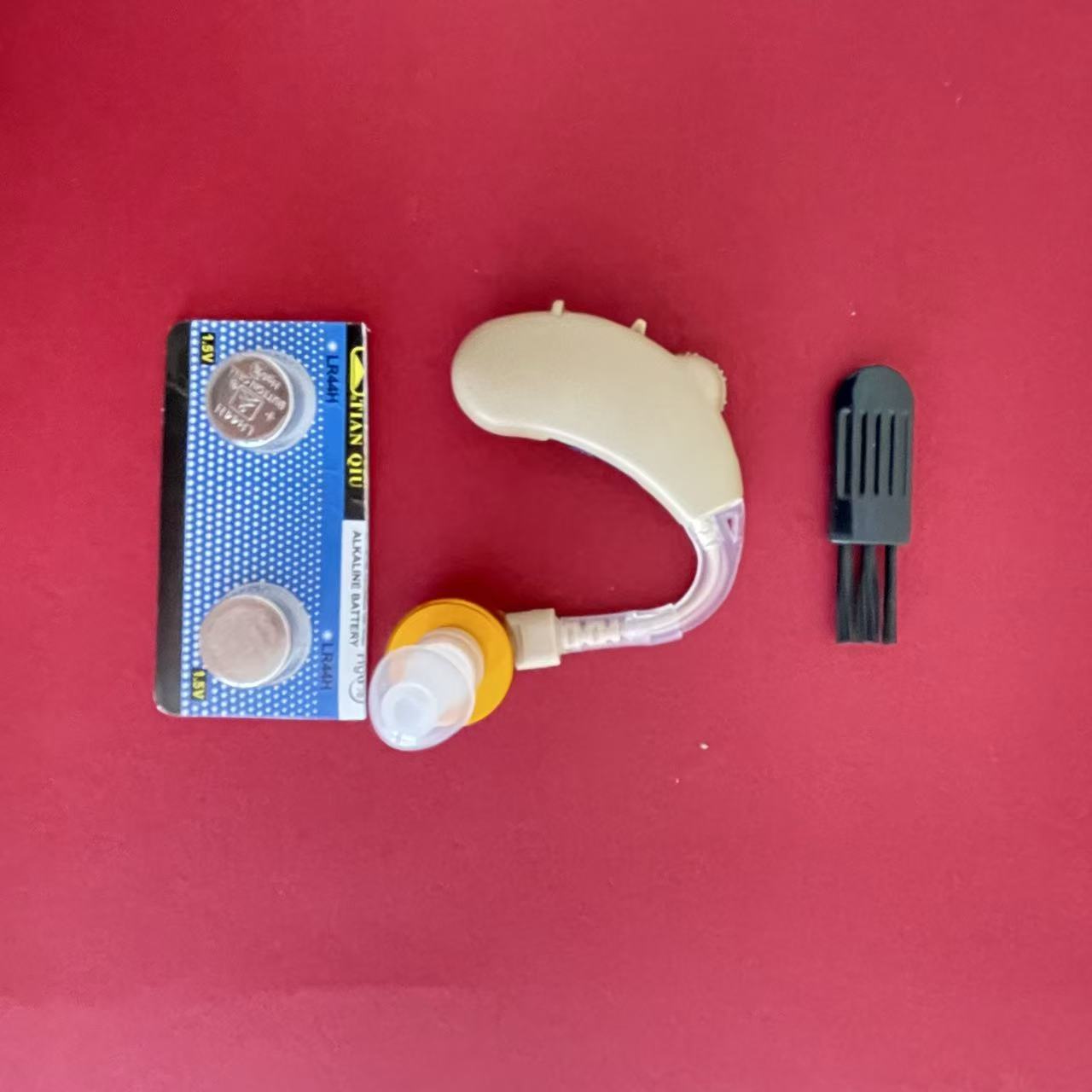
For individuals with severe hearing loss (71-90 dB), conventional devices often fail to deliver adequate amplification. Behind-the-ear (BTE) and receiver-in-canal (Power RIC) hearing aids address this gap through robust engineering:
- Their larger housings support high-power amplifiers capable of output up to 140 dB SPL
- Extended battery capacity ensures sustained performance during prolonged use
- Venting systems prevent feedback distortion at elevated volumes
Clinical studies show BTE and Power RIC models improve speech recognition by 45% over smaller devices for severe loss. Their behind-ear placement also accommodates severe high-frequency deficits common in age-related hearing decline.
Emerging Hybrid Designs: Dual-Microphone Beamforming in High-Power Hearing Aids
Modern BTE and Power RIC devices now integrate directional microphone arrays to overcome ambient noise challenges. Dual-microphone beamforming technology isolates speech by:
- Electronically focusing on frontal sound sources (e.g., conversation partners)
- Attenuating rear/side noise by 6-8 dB in crowded environments
- Automatically adapting focus as the listener moves
This hybrid approach combines raw amplification power with precision signal processing. Field tests reveal 30% faster auditory adaptation in new users compared to single-microphone systems-making these advanced hearing aids critical for maintaining social engagement despite severe impairment.
Key Considerations When Upgrading or Switching Hearing Aids Across Severity Levels
Switching between different kinds of hearing aids or changing power levels needs good planning if we want things to work out well for our ears. When moving up from something meant for mild hearing loss to something stronger for severe cases, give yourself around three to six weeks to get used to the new sounds. The brain takes time to adjust to all those extra noises being amplified. Talk to an audiologist about checking where exactly your hearing stands now and what kind of daily life challenges matter most. People who go out socially often, deal with loud places regularly, or have trouble handling small parts need different features than others. Look for devices that let users switch settings depending on where they are and what they're doing. Also check what the warranty covers in case things change down the road as hearing loss progresses. Most folks find they're happier with their choice after trying them out for longer than just a month. Real world testing makes all the difference in figuring out what actually works best in everyday life.
FAQ
Q: What types of hearing aids are recommended for mild hearing loss?
A: For mild hearing loss, Invisible-in-Canal (IIC) and In-the-Canal (ITC) hearing aids are often recommended. These are discreet devices that offer low-power amplification suitable for high-frequency loss.
Q: How important is the fit of a hearing aid?
A: The fit of a hearing aid is crucial as poorly matched devices can exacerbate hearing loss over time. A proper fit helps in preserving existing hearing ability and ensures optimal device performance.
Q: Why are Behind-the-Ear (BTE) hearing aids essential for severe hearing loss?
A: BTE hearing aids are essential for severe hearing loss because they have larger housings that support high-power amplifiers and feature advanced signal processing to improve speech recognition and adapt to various environments.
Q: How long should one expect to adapt to new hearing aids?
A: It typically takes about three to six weeks for individuals to adapt to new hearing aids. This period allows the brain to adjust to amplified sounds and for users to get comfortable in different auditory environments.
Table of Contents
- How Hearing Loss Severity Determines Hearing Aid Selection Criteria
- Best Hearing Aids for Mild Hearing Loss: Discreet, Low-Power, and Natural-Sounding
- Best Hearing Aids for Severe Hearing Loss: High-Power Output and Advanced Signal Processing
- Key Considerations When Upgrading or Switching Hearing Aids Across Severity Levels