 EN
EN

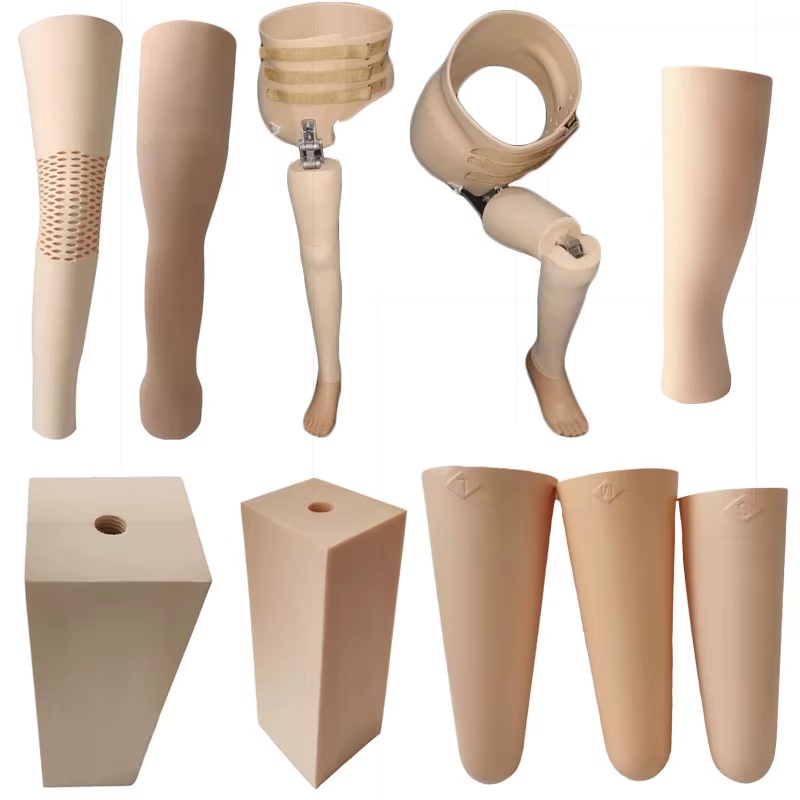
Growth-Driven Clinical Challenges in Prosthetics Orthotics Kids
Pediatric O&P (Orthotics and Prosthetics) care faces unique hurdles as children’s bodies rapidly evolve. These challenges demand specialized, adaptive solutions to ensure comfort, function, and healthy development.
Socket Fit Instability Due to Rapid Skeletal Maturation
Children experience up to 2 cm of residual limb growth annually during growth spurts—driven largely by active epiphyseal growth plates. This constant change causes socket misalignment within months, leading to gait deviations, pressure injuries, and compensatory movement patterns that may result in secondary musculoskeletal complications. Quarterly socket assessments and adjustments are essential to maintain safe load distribution and support natural motor development.
Skin Integrity and Sensory Sensitivity in Developing Tissues
A child’s skin is approximately 30% thinner than an adult’s, increasing susceptibility to blisters, ulcers, and shear-related breakdown. Immature sweat glands contribute to higher perspiration levels, while developing peripheral nerve pathways heighten sensory discomfort—making children significantly more likely to reject devices due to irritation. Effective interfaces must therefore integrate breathability, moisture-wicking properties, and precise pressure redistribution without compromising structural support.
Financial Burden: Frequent Replacements vs. Inadequate Insurance Coverage
Most insurance plans authorize only one prosthetic or orthotic replacement per year, despite clinical guidelines recommending 2–3 adjustments annually to accommodate growth. This coverage gap forces families to absorb substantial out-of-pocket costs—averaging over $740,000 across childhood development. Industry data shows 68% of parents delay necessary replacements due to coverage denials, risking functional regression and developmental delays. Appeals citing medical necessity for growth-related adaptations succeed in just 40% of cases, underscoring systemic misalignment between pediatric physiology and reimbursement policy.
Psychosocial Development and Daily Use Adherence in Kids with Prosthetics Orthotics
For children using prosthetics or orthotics, psychosocial development is as critical as physical adaptation. Peer acceptance, self-perception, and emotional resilience directly influence long-term device adoption—and ultimately, functional outcomes. Research published in the Journal of Pediatric Rehabilitation (2023) found that 70% of children report improved self-esteem when their devices reflect personal identity and align with peer activities, reinforcing the link between emotional well-being and consistent wear time.
Identity Formation, Peer Perception, and Emotional Resilience
Children often interpret their devices through a social lens—where aesthetics, familiarity, and peer response shape daily engagement. Key evidence-informed strategies include:
- Aesthetic customization: Allowing children to co-design device appearances (e.g., colors, themes, textures) reduces stigma and fosters ownership
- Peer education initiatives: Structured classroom or group discussions demystify devices and decrease bullying incidents
- Developmentally tailored counseling: Early emotional scaffolding helps normalize feelings of difference and builds coping skills
Group-based interventions demonstrate 40% higher adherence rates compared to individualized care alone—highlighting the value of shared experience in building confidence and routine.
Behavioral Strategies to Improve Wear Time and Functional Integration
Consistent use emerges not from compliance alone, but from integration into daily life. Clinicians increasingly adopt behavioral frameworks grounded in pediatric developmental science:
- Gradual exposure protocols: Starting with short, low-demand wear periods and incrementally expanding based on tolerance—not arbitrary timelines
- Activity-linked milestones: Celebrating functional achievements (e.g., climbing stairs, joining a game) rather than tracking hours worn
- Family-coached routines: Training caregivers to model positive language, troubleshoot discomfort, and reinforce autonomy
Play-integrated therapy has been shown to improve mobility goals by 58% over clinic-only training. Gamified tracking tools further support motivation by transforming wear time into collaborative, goal-oriented challenges—aligning with children’s natural learning preferences.
[!TIP]
Devices designed to resemble everyday items—such as superhero-themed orthotics or animal-shaped prosthetic covers—often spark curiosity rather than concern, turning potential stigma into opportunities for peer connection and self-expression.
Innovative Solutions Advancing Prosthetics Orthotics Kids Care
3D Printing and Modular Growth-Adaptive Systems (e.g., MOBIS, LimbForge)
Additive manufacturing is redefining pediatric O&P through precision, scalability, and speed. Modular systems like MOBIS (Modular Body Interface System) enable incremental socket and component adjustments—reducing full-device replacements by 40% compared to conventional approaches. Lightweight, printable polymers (<$1 per gram) allow anatomically accurate conforming to evolving limb shapes, while integrated expansion joints permit onsite modifications during routine visits. These innovations directly address the core challenge of skeletal maturation—supporting continuity of care without sacrificing fit, function, or comfort.
Smart Sensors and AI for Real-Time Gait Analysis and Early Intervention
Embedded inertial measurement units (IMUs) now provide continuous, objective biomechanical monitoring in pediatric orthoses and prostheses. Machine learning algorithms analyze gait symmetry in real time, flagging asymmetries exceeding 15%—a validated threshold associated with increased joint degeneration risk. Cloud-connected platforms alert clinicians instantly when abnormal movement patterns emerge, cutting intervention delays by 65%. Adaptive prosthetics go further: terrain-sensing foot modules automatically adjust dorsiflexion mid-stride, promoting safer ambulation and reinforcing natural neuromuscular feedback loops. This responsive, data-driven approach transforms reactive care into proactive developmental support.
FAQs
What are the main challenges in pediatric prosthetics and orthotics care?
The main challenges include socket fit instability due to rapid skeletal maturation, skin sensitivity, financial burdens from frequent replacements, and limited insurance coverage.
Why is psychosocial development important in children with prosthetics?
Psychosocial development influences self-esteem, peer acceptance, and long-term device adherence, which are critical for functional outcomes.
How can technology improve pediatric orthotics care?
Technologies like 3D printing and smart sensors aid in creating growth-adaptive systems, real-time gait analysis, and proactive interventions, enhancing customization and care.
What strategies can improve device adherence?
Behavioral strategies such as gradual exposure, activity-linked milestones, and family-coached routines can enhance device adherence and integration into daily life.