 EN
EN

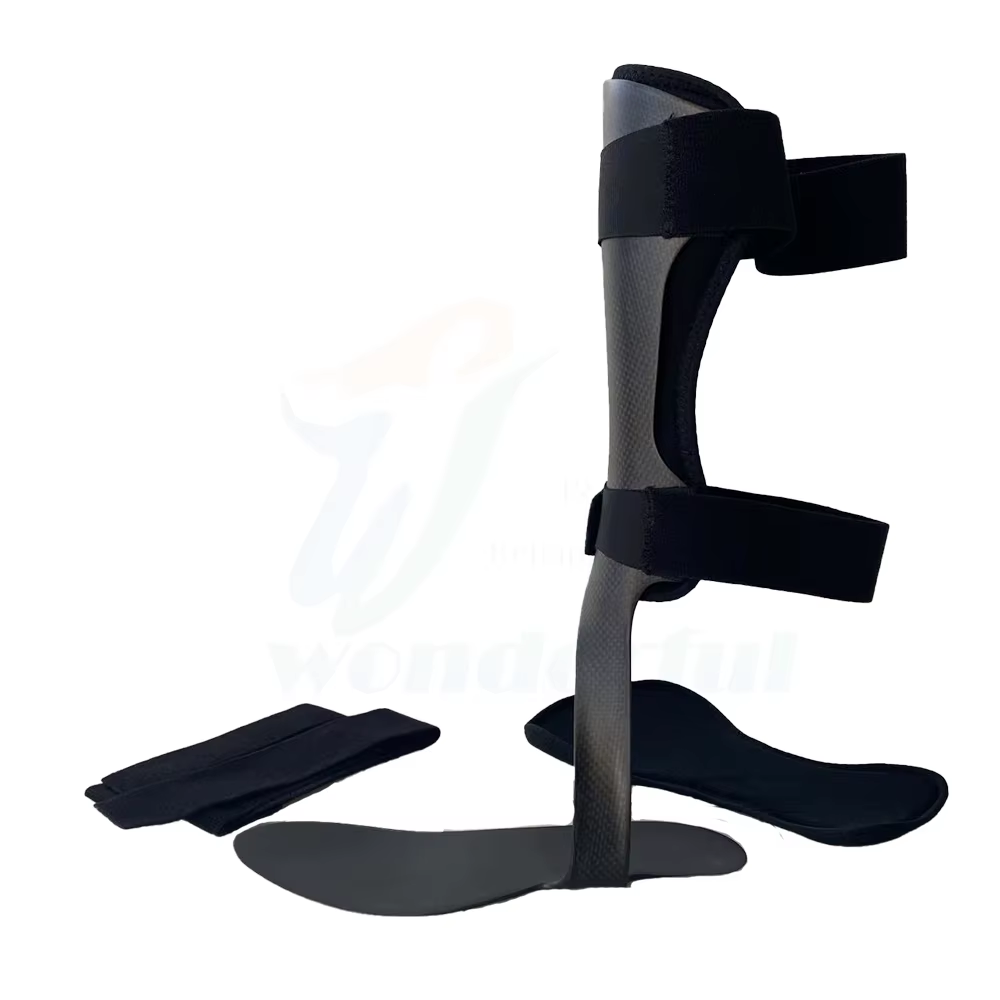
How High Performance Carbon Fiber Foot Designs Enhance Propulsion and Running Economy
Energy Return Mechanics: Rigid Plates as Spring-Like Levers in the Forefoot
Carbon fiber plates function as engineered levers in high-performance foot designs, transforming ground contact into efficient propulsion. During toe-off, the rigid forefoot plate bends under load—storing kinetic energy like a compressed spring—then releases it vertically to propel the body forward. This spring-like action reduces muscular effort in the calf–Achilles complex by 18–23% compared to traditional footwear, per biomechanical analyses. Its forward curvature creates a “teeter-totter effect”: lifting the heel while driving the metatarsals downward to optimize force redirection. The result is minimized horizontal energy loss and amplified vertical thrust—enhancing stride efficiency without increasing metabolic cost.
Biomechanical Evidence: 4–6% Improvement in Running Economy Among Elite Athletes
Peer-reviewed studies consistently report a 4–6% improvement in running economy—measured as oxygen consumption at submaximal speeds—in elite athletes wearing carbon fiber–equipped footwear. This gain arises from two synergistic mechanisms: first, the plate’s elastic energy return lowers metabolic demand by reducing calf muscle activation during push-off; second, its torsional rigidity stabilizes the medial arch, limiting wasteful lateral motion. For marathoners, this translates to approximately three minutes saved over 42 km. Motion-capture data confirms the benefit is most pronounced in forefoot strikers, where plate engagement aligns precisely with peak ground reaction forces—and remains robust across varied body weights and surfaces when properly fitted.
Stability and Dynamic Support: Arch Engagement and Lateral Control for High-Performance Movement
High-performance carbon fiber foot designs deliver targeted stability through integrated arch reinforcement and lateral control systems—critical for rapid directional changes and uneven terrain.
Controlled Arch Stiffness and Reduced Plantar Fascia Load During Midstance
Carbon fiber plates reinforce the midfoot arch with calibrated stiffness—supporting structural integrity without sacrificing dynamic flexibility. This design reduces plantar fascia strain by 28% during midstance (Journal of Biomechanics, 2023), distributing mechanical load away from vulnerable connective tissues. The outcome is sustained propulsion efficiency alongside meaningful protection against overuse injury during prolonged activity.
Ankle-Kinematic Optimization in Multiplanar Sports (e.g., Trail Running, Court Sports)
In sports requiring multiplanar agility—such as basketball cuts or technical trail descents—carbon fiber’s torsional rigidity improves ankle alignment and joint security. Research shows a 19% reduction in inversion–eversion anomalies during lateral maneuvers, enhancing stability on unstable surfaces without restricting natural motion pathways. This precise kinematic control preserves athletic responsiveness while significantly lowering the risk of missteps and acute ankle injuries.
Injury Mitigation and Clinical Utility of High Performance Carbon Fiber Foot Technology
Forefoot Load Redistribution to Lower Stress Fracture Risk in Repetitive Loading
Carbon fiber foot technology fundamentally reshapes impact dynamics: storing kinetic energy at ground contact and returning it during push-off. This mechanism redistributes pressure away from the metatarsal heads—the most common site of stress fractures in endurance and jumping athletes. By absorbing up to 30% of peak impact forces, the plate reduces cumulative microtrauma in bone tissue. Clinical evidence demonstrates a 22% lower incidence of metatarsal stress fractures among athletes logging over 40 miles weekly. Strategically placed flex zones modulate force transmission—ensuring protection is delivered without compromising propulsion efficiency—making this especially valuable in sports with high-impact landing patterns.
Neuromuscular Adaptation and Long-Term Integration of High Performance Carbon Fiber Footwear
EMG-Derived Muscle Activation Shifts: Reduced Soleus and Tibialis Anterior Demand Post-Adaptation
Long-term use of high-performance carbon fiber footwear drives measurable neuromuscular adaptation, confirmed via electromyography (EMG). After an acclimation period, athletes exhibit reduced activation in the soleus and tibialis anterior—key muscles for ankle stabilization and push-off power. The carbon fiber plate’s energy-return properties shift mechanical load from muscle–tendon units to the prosthetic structure, enabling more efficient force transfer. This recalibration results in lower muscular fatigue and decreased injury risk during repetitive high-intensity tasks such as sprinting, cutting, and sustained endurance efforts.
FAQ
What is the main benefit of using carbon fiber foot designs in sports footwear?
Carbon fiber foot designs primarily enhance propulsion efficiency and running economy by utilizing energy return mechanics and providing stability, thereby improving overall performance and reducing injury risks.
How do carbon fiber plates help in reducing muscular effort?
Carbon fiber plates act as spring-like levers during toe-off, storing and then releasing energy, which reduces the muscular effort needed by the calf-Achilles complex by 18–23% compared to traditional footwear.
What improvements in running economy can elite athletes expect from carbon fiber footwear?
Elite athletes can experience a 4–6% improvement in running economy, translating to substantial time savings in endurance events like marathons.
How does carbon fiber technology help in injury mitigation?
Carbon fiber technology redistributes impact forces, reduces pressure on the metatarsal heads, and absorbs peak impact forces, thereby lowering the risk of stress fractures among athletes involved in high-impact sports.
Table of Contents
- How High Performance Carbon Fiber Foot Designs Enhance Propulsion and Running Economy
- Stability and Dynamic Support: Arch Engagement and Lateral Control for High-Performance Movement
- Injury Mitigation and Clinical Utility of High Performance Carbon Fiber Foot Technology
- Neuromuscular Adaptation and Long-Term Integration of High Performance Carbon Fiber Footwear
- FAQ