 EN
EN

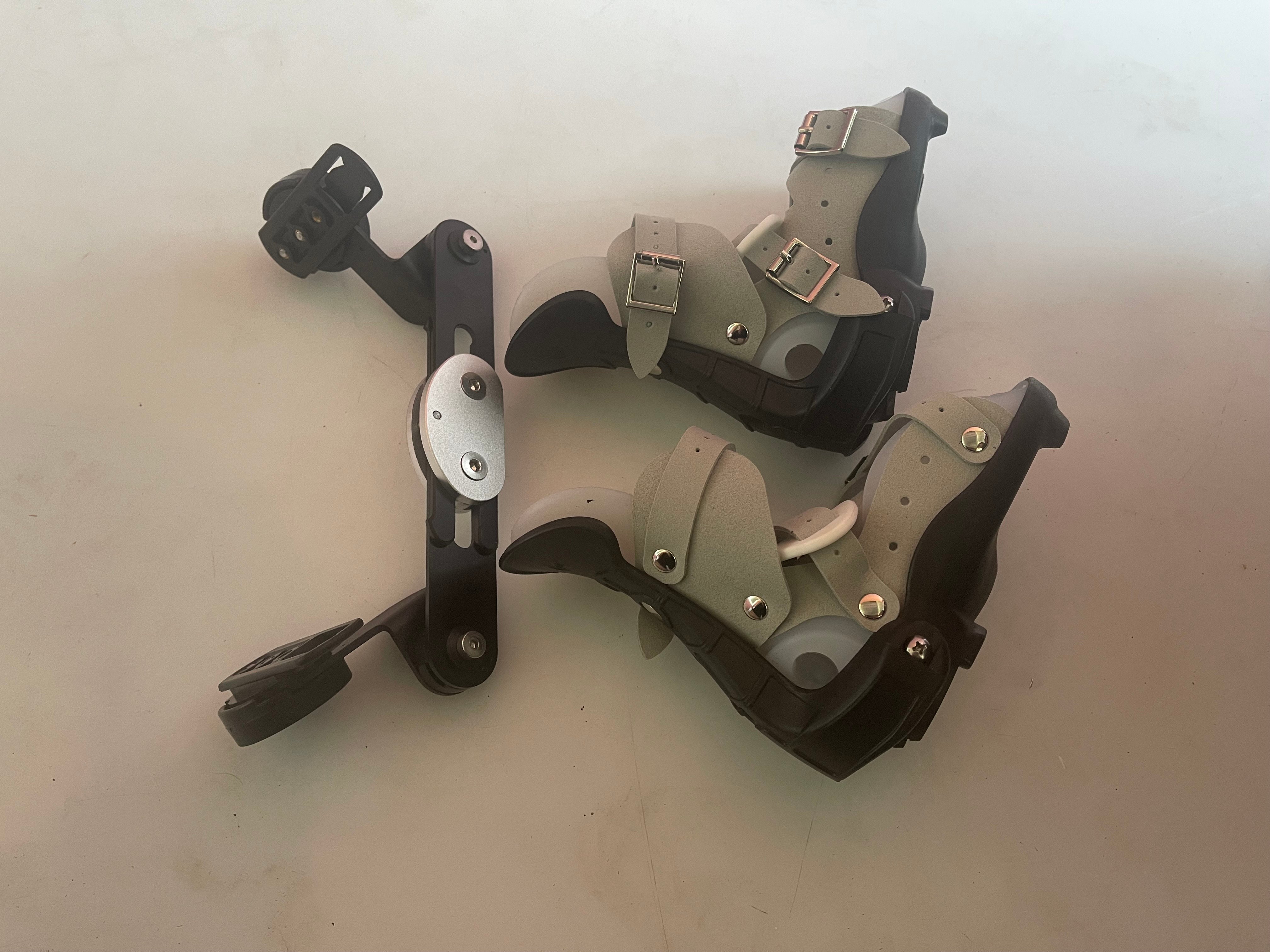
Understanding Orthopedic Shoes and Their Impact on Foot Health
What Are Orthopedic Shoes and How Do They Differ from Regular Footwear?
Orthopedic shoes have been specially crafted to fix issues with how feet function, provide relief for long term foot problems, and help people walk better overall. What sets them apart from regular shoes is their construction featuring sturdy heel parts, shaped arches that fit the foot's natural curve, plus extra room in front for toes when there's swelling or deformities present. Many of these specialized shoes actually conform to strict medical guidelines meant for folks dealing with conditions like diabetes complications, arthritic joints, or painful heel inflammation. Some recent studies looking at different shoe designs found that properly made orthopedic footwear can cut down on bad pressure points in the joints by around 35-40%, thanks to smart padding placement and better body alignment support throughout the shoe.
The Link Between Orthopedic Shoes for Daily Comfort and Foot Health
Daily use of orthopedic footwear significantly reduces pain and enhances musculoskeletal function. A 2022 Journal of Podiatric Medicine study found users reported 52% less heel pain and 41% improved walking endurance over six months. This improvement stems from three key biomechanical benefits:
- Weight distribution: Minimizes peak pressure on sensitive areas like the metatarsals
- Motion control: Reduces excessive pronation linked to tendinitis
- Heel stabilization: Prevents overextension of the Achilles tendon
These features work together to support natural movement and decrease strain across the lower limbs.
Why Proper Footwear Is Essential for Overall Health and Well-Being
What we wear on our feet affects pretty much everything else going on in our bodies. When shoes don't provide good support, it often leads to problems like knees pointing the wrong way, hips rotating oddly, and all sorts of lower back discomfort. According to Centers for Disease Control data, around three out of every four adults suffering from ongoing foot pain end up dealing with other joint troubles within just five years. Special orthopedic footwear actually helps keep the body aligned properly while walking normally. A recent study looking at different types of shoes found something interesting too many people overlook. People who regularly wore therapeutic shoes reported falling down less frequently by nearly 30 percent compared to those without proper support, plus they experienced about 18 percent less lower back ache overall. Makes sense when you think about how much time most folks spend standing or moving around daily.
Common Foot Conditions Relieved by Orthopedic Shoes
How Plantar Fasciitis Responds to Supportive Orthopedic Footwear
Around two million folks deal with plantar fasciitis every year according to the American Orthopaedic Foot & Ankle Society stats from 2022. The condition brings on those sharp pains in the heels because the plantar fascia ligament gets inflamed. Special ortho shoes can really help reduce the discomfort they cause. These shoes come with features like shaped heel cups, soles that roll forward easier, and good arch support structures. All these things work together to spread out the pressure better and cut down on the tension felt when walking around. A recent study published in 2023 found something pretty interesting too. About two thirds of participants reported their pain dropped by half or more after just about a month wearing proper orthopedic footwear instead of regular shoes.
Managing Flat Feet with Arch Support and Heel Stability in Orthopedic Shoes
Approximately 20-30% of adults have flat feet, leading to overpronation and misaligned gait. Orthopedic shoes offer triple-layer support:
- Medial arch reinforcement controls inward rolling
- Extended heel counters enhance rearfoot stability
- Firm midsoles prevent midfoot collapse
This design reduces stress on the ankles and knees by 41% compared to regular shoes (Journal of Biomechanics, 2021), improving long-term joint health.
Orthopedic Solutions for Arthritis-Related Foot Pain and Stiffness
For individuals with arthritis, orthopedic footwear addresses joint tenderness and swelling with specialized features:
- Compression-resistant cushioning protects inflamed joints
- Flexible uppers adapt to daily volume changes in the foot
- Rocker-bottom soles reduce required toe flexion by 30%, easing push-off during walking
Clinical trials show these designs lead to 58% less morning stiffness in rheumatoid arthritis patients (Arthritis Foundation, 2023).
Footwear Needs for Diabetic Individuals: Preventing Ulcers and Discomfort
Orthopedic shoes align with the 2023 American Podiatric Medical Association guidelines for diabetic foot care, offering protective features proven to reduce complications:
| Feature | Benefit | Risk Reduction* |
|---|---|---|
| Seamless interiors | Prevents friction blisters | 34% |
| Custom-molded depth | Accommodates therapeutic insoles | 28% |
| Antimicrobial liners | Inhibits fungal/bacterial growth | 41% |
*Based on 5-year NIH data comparing standard vs. orthopedic footwear in diabetic populations.
Key Features of Orthopedic Shoes That Enhance Daily Comfort
The Role of Arch Support in Promoting Foot and Postural Health
When feet have good arch support, they spread out body weight more naturally, which takes some of the stress off those tough little ligaments and stops that inward rolling motion we call overpronation. Keeping ankles and knees aligned properly actually makes a big difference in avoiding long term problems like plantar fasciitis. Some research from last year indicated that people with proper arch support experience about 30% less pressure on their heels while walking around. And don't forget about what happens further up the chain either. When the middle part of the foot stays stable, posture improves overall, which means fewer aches and pains creeping into the hips and lower back area later on.
Cushioning and Shock Absorption in Orthopedic Shoes for Joint Protection
Orthopedic shoes come with some pretty cool stuff inside them these days. They often have memory foam plus gel in the midsole area which can soak up around 40% more impact compared to regular shoes based on studies looking at how people walk. The special dual density foam molds itself to whatever shape the foot takes, so it gives extra cushioning exactly where needed most, typically around the heels and balls of feet. For anyone spending long hours standing or walking on concrete floors at work or during daily errands, this kind of support makes all the difference in comfort levels over time.
Wide Toe Box Design and Its Impact on Foot Comfort and Alignment
A spacious toe box allows toes to splay naturally, reducing compression-related issues like bunions and hammertoes. It also accommodates swelling common in diabetes or inflammatory conditions while preserving metatarsal alignment. A 2024 podiatric survey found wearers of wide-toe orthopedic shoes reported 25% fewer skin irritations than those using narrow conventional styles.
Heel Stability and Motion Control for Improved Gait and Balance
Reinforced heel counters and contoured footbeds restrict excessive supination and pronation, enhancing balance and coordination. These motion-control elements are particularly valuable for individuals with neuromuscular challenges. Clinical evidence shows a 20% improvement in walking stability among users of heel-stabilized orthopedic footwear.
Custom Fit Options and Compatibility with Orthotics for Personalized Support
People with different foot shapes and sizes appreciate adjustable straps, extra wide options, and take-out insoles because they can tweak the fit to what works best for them. A recent study in orthopedics found that around 85% of folks felt much better when they wore their custom orthotics along with shoes that have those deep heel pockets and easy-to-adjust fastenings. These kinds of features really help out with all sorts of issues, whether someone is dealing with swollen feet after standing all day or needs support while recovering from surgery on their ankle or foot.
By integrating these evidence-based features, orthopedic footwear significantly improves mobility and comfort for individuals focused on long-term foot health.
Orthopedic vs. Regular Shoes: Benefits for Daily Non-Running Activities
Comparing Support, Durability, and Functionality in Everyday Use
Orthopedic shoes outperform regular footwear in critical aspects of daily wear:
| Feature | Orthopedic Shoes | Regular Shoes |
|---|---|---|
| Support | Reinforced arch/heel alignment | Minimal structural reinforcement |
| Durability | Medical-grade materials (avg. 2-3x lifespan*) | Standard synthetic/leather builds |
| Functionality | Therapeutic design for pain reduction | Prioritizes style over biomechanics |
*2023 Podiatric Materials Report
Designed for extended use, orthopedic shoes distribute pressure 34% more evenly, minimizing hotspots during activities like shopping or childcare. Moisture-wicking linings and adjustable closures further enhance all-day comfort compared to rigid, non-breathable conventional shoes.
How Orthopedic Shoes Reduce Joint Strain During Prolonged Standing or Walking
Orthopedic footwear featuring cushioned midsoles and supportive metatarsal pads can cut down on joint impact forces by around 20% when walking, according to research on human movement patterns. According to foot health experts at the American Podiatric Medical Association, designs with rocker shaped soles and broader bases help prevent those nasty ankle twists on tricky terrain. These types of injuries happen all too often in places such as hospital corridors and school hallways where standard flat soled shoes just don't provide enough protection against slips and falls that could lead to serious workplace accidents.
Real-World Case Study: Office Workers Experiencing Pain Relief with Orthopedic Footwear
A 2023 trial followed 87 office employees using orthopedic shoes during desk work:
- 64% reported improved lower-back comfort within three weeks
- 41% experienced reduced midday foot swelling compared to peers wearing regular shoes
- 28% took fewer pain-related breaks
Participants attributed improvements to cushioned collars and anti-slip treads, which enhanced comfort on hard flooring and when using standing desks.
FAQs About Orthopedic Shoes
What are orthopedic shoes?
Orthopedic shoes are specially designed footwear crafted to correct foot function issues, relieve long-term foot problems, and improve walking capabilities. They feature sturdy construction, shaped arches, and extra toe space to address swelling and deformities.
How do orthopedic shoes differ from regular shoes?
Orthopedic shoes differ from regular shoes in their medical-grade construction, providing enhanced support for the heel, arch, and toes, especially for individuals with medical conditions affecting the feet.
What conditions can orthopedic shoes help alleviate?
Orthopedic shoes assist with conditions like plantar fasciitis, flat feet, arthritis-related foot pain, and diabetic foot complications by providing specific features tailored to each condition.
Are orthopedic shoes beneficial for daily wear?
Yes, daily use of orthopedic shoes can reduce pain and enhance musculoskeletal function, improving walking endurance and comfort in various activities.
Table of Contents
- Understanding Orthopedic Shoes and Their Impact on Foot Health
- Common Foot Conditions Relieved by Orthopedic Shoes
-
Key Features of Orthopedic Shoes That Enhance Daily Comfort
- The Role of Arch Support in Promoting Foot and Postural Health
- Cushioning and Shock Absorption in Orthopedic Shoes for Joint Protection
- Wide Toe Box Design and Its Impact on Foot Comfort and Alignment
- Heel Stability and Motion Control for Improved Gait and Balance
- Custom Fit Options and Compatibility with Orthotics for Personalized Support
- Orthopedic vs. Regular Shoes: Benefits for Daily Non-Running Activities
- FAQs About Orthopedic Shoes