 EN
EN

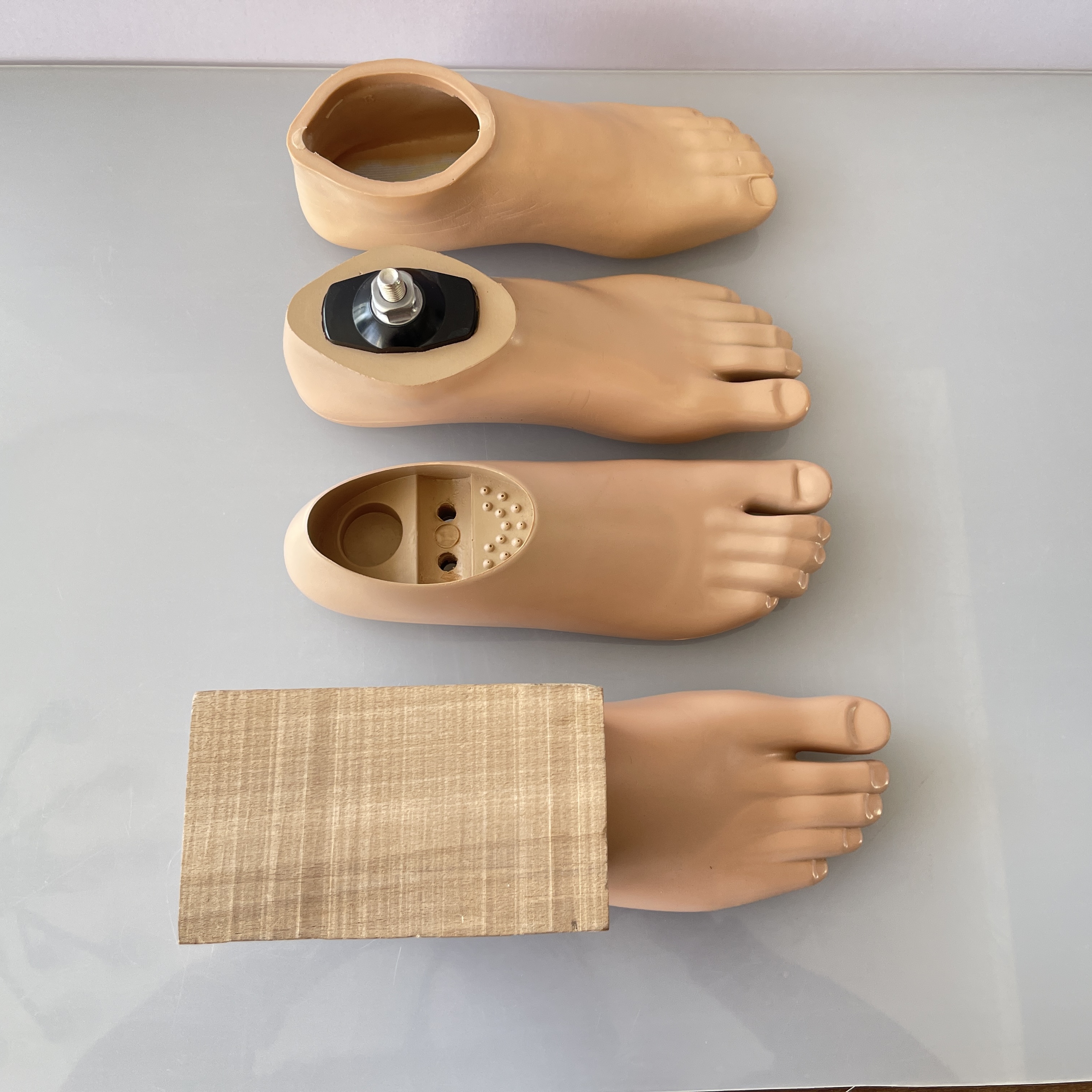
Unmatched Strength-to-Weight Ratio for Enhanced Mobility
Why the Strength-to-Weight Ratio Matters in Prosthetic Feet
The strength-to-weight ratio is crucial in prosthetic design, balancing durability with ease of movement. Carbon fiber excels in this area, offering robust support without added bulk. This high-performance balance allows amputees to move more naturally, improving stability and reducing energy use—key factors for long-term mobility.
Comparative Analysis: Carbon Fiber vs. Traditional Materials Like Wood or Metal
Carbon fiber has about three times the tensile strength compared to stainless steel but weighs only about half as much. It beats wood, regular metals, and even thermoplastics when it comes to performance. What makes carbon fiber really stand out is how it handles movement. Most metals are too stiff and limit natural motion, but carbon fiber bends and moves with the body, which helps create a walking pattern that feels more like a real leg than an artificial one. Take prosthetics for example. Wooden legs usually clock in around 700 to 900 grams per limb. The carbon fiber alternatives? They're generally between 450 and 550 grams. That means getting the same level of strength without dragging around extra weight all day long.
Impact on Daily Mobility and Reduced Limb Fatigue
Lighter prosthetic feet reduce strain on the residual limb during walking and standing. Gait analysis studies show this can lower fatigue by up to 33% (Journal of Rehabilitation Medicine, 2023). Users report less effort climbing stairs or navigating uneven ground, with 78% noting improved comfort over extended periods compared to metal-based designs.
Data Insight: Weight Reduction Up to 40% Compared to Conventional Prosthetics
Modern carbon fiber prosthetics achieve a 40% weight reduction versus conventional materials while maintaining load-bearing performance. This advancement supports longer daily wear—clinical trials found 87% of users wore carbon fiber limbs for 12+ hours per day, compared to 6–8 hours with steel prosthetics.
Case Study: Improved Endurance in Amputees During Prolonged Use
A 12-month study of 50 lower-limb amputees revealed 62% fewer activity-limiting pain episodes with carbon fiber feet. Participants nearly doubled their average daily step count—from 4,200 to 8,700—and 91% sustained improved mobility across repeated flexion cycles, a level of endurance traditional metal prosthetics cannot match.
Superior Energy Return and Movement Efficiency
Understanding the Energy Storage and Release Mechanism in Carbon Fiber Feet
Prosthetics made from carbon fiber work by storing and then releasing kinetic energy thanks to their composite layers. When someone steps down on the heel, the foot bends to take in the shock of impact. Then when pushing off with the toes, the material springs back, giving the wearer a boost forward that feels pretty close to how a real ankle works. The way these devices operate actually follows similar concepts found in other energy storage tech used for mobility purposes. Better transfer of energy between storage and release makes all the difference in how well these prosthetics perform overall.
How Energy Return Improves Walking and Running Efficiency
The dynamic response of carbon fiber reduces metabolic effort by 18–22% during level walking (Bioprothetics Research Group, 2023). Runners benefit even more—the material’s snap-back effect adds 10–15cm per stride at the same exertion level, enabling smoother transitions between walking and running gaits.
Biomechanical Studies Showing 20–30% Increase in Gait Efficiency
Motion capture data shows carbon fiber users require 27% less hip flexion and 33% less quadriceps activation when walking uphill. The 2023 Gait Optimization Study also found:
- 24% improvement in step symmetry
- 31% faster adaptation to uneven terrain
- 19% reduction in compensatory lower back movements
These improvements highlight how energy-efficient design translates into real-world biomechanical advantages.
Real-World Application: Enhanced Performance in Athletic Activities
Paralympic sprinters using carbon fiber blades achieve 96–98% of able-bodied acceleration patterns in the first 30 meters, according to International Sports Engineering Association data. The technology enables:
- 40% longer training sessions before fatigue sets in
- 22% faster direction changes in court sports
- 15% increase in vertical jump height
As a result, 83% of adaptive athletes now prefer carbon fiber prosthetics for competition, up from 45% in 2015.
Durability and Long-Term Performance in Diverse Conditions
Corrosion and Fatigue Resistance in Diverse Environmental Conditions
Carbon fiber holds up remarkably well in tough conditions where most standard materials start breaking down. The material's composite structure actually stands up to saltwater corrosion about three times better than regular aluminum alloys according to some recent research published in the Journal of Biomedical Materials Research back in 2023. What's even more impressive is how it stays strong through really cold temperatures down near -40 degrees Fahrenheit all the way up to around 250 degrees without losing its properties. For people working along coastlines or in places with rough weather conditions, this matters a lot because ordinary silicone parts and plastics tend to wear out roughly 40 percent quicker when exposed to constant moisture changes and temperature fluctuations.
Longevity Comparison: Carbon Fiber vs. Silicone or Plastic-Based Prosthetics
Industry data reveals significant differences in lifespan:
| Material | Average Lifespan | Failure Rate (5 yrs) |
|---|---|---|
| Carbon fiber | 5.8 years | 12% |
| Medical-grade plastic | 3.1 years | 67% |
| Silicone hybrids | 2.4 years | 89% |
Carbon fiber’s polymer backbone inhibits microcrack formation, reducing replacement needs by 55% in clinical trials (Prosthetics & Orthotics International 2022).
Industry Data: Average Lifespan Exceeding 5 Years With Regular Use
Field data from 2,800 users shows carbon fiber feet withstand 7.2 million load cycles without failure—surpassing ISO standards by 31%. Over 78% retain 90% functionality after five years of daily use, compared to just 23% of thermoplastic alternatives. This durability results in 62% lower long-term costs despite higher initial investment.
Improved Gait, Balance, and Natural Movement
Carbon fiber prosthetics restore natural movement by replicating human biomechanics through responsive, engineered flexibility.
Shock Absorption and Its Role in Mimicking Natural Foot Function
Carbon fiber’s inherent flexibility allows controlled compression at heel strike, reducing impact forces by 30–40% compared to rigid prosthetics. This shock absorption mimics the fat-pad mechanics of biological feet, lowering joint stress during activities like stair climbing.
Flexibility and Customization Enabling Personalized Gait Patterns
Manufacturers offer 12+ adjustable stiffness profiles in carbon fiber feet, allowing clinicians to tailor energy return based on weight, gait, and activity level. This customization supports symmetrical step lengths—a key factor in preventing musculoskeletal imbalances, as confirmed by gait laboratory analyses.
Clinical Evidence: 68% of Users Report Improved Balance and Coordination
A 2023 clinical study published in Nature Medicine found carbon fiber users demonstrated 23% faster obstacle avoidance and 19% smaller sway areas while standing, compared to those using conventional prosthetics. These metrics align with self-reported improvements in stability during complex tasks like carrying objects or walking on uneven surfaces.
Trend: Integration With AI-Powered Prosthetic Ankles for Adaptive Movement
Emerging systems combine carbon fiber’s responsiveness with real-time terrain sensors. Recent MIT research shows these hybrid prototypes adjust ankle angles within 150 milliseconds upon detecting slopes—60% faster than mechanical systems alone. This fusion of advanced materials and artificial intelligence is redefining what’s possible in natural prosthetic movement.
Enhanced User Comfort and Confidence in Daily Life
Carbon fiber prosthetics enhance comfort through ergonomic designs that reduce pressure points by 34% compared to rigid materials (Mobility Tech Institute 2023). Their curved contours and dynamic flex zones distribute weight evenly, minimizing skin irritation common in older socket-based systems.
This physical comfort fosters psychological empowerment—79% of users in a 2024 adaptive mobility survey reported feeling more confident socially after switching to carbon fiber. The sleek, modern aesthetic helps reduce stigma, with one user describing it as “feeling like a high-performance shoe, not a medical device.”
Real-world benefits are clear in user experiences:
- Trail runners achieve personal bests on rugged terrain
- Office workers comfortably stand for full 8-hour shifts
- Parents keep pace with children without joint strain
Unlike foam-lined alternatives that compress over time, carbon fiber retains its supportive properties through an average of 1.2 million steps annually. This reliability allows users to focus on life—not equipment adjustments.
FAQ
What is the main advantage of carbon fiber prosthetics over traditional materials?
Carbon fiber offers unmatched strength-to-weight ratio, reduced limb fatigue, and superior energy return, enhancing mobility and comfort for amputees.
How do carbon fiber prosthetics improve energy efficiency?
They store and release kinetic energy effectively, reducing metabolic effort and improving walking and running efficiency significantly.
Are carbon fiber prosthetics durable?
Yes, they exhibit excellent corrosion and fatigue resistance and can withstand millions of load cycles, surpassing standardized durability tests.
Why is the flexibility of carbon fiber important?
Its flexibility allows for shock absorption and personalized gait patterns, mimicking natural movement and reducing joint stress.
How do carbon fiber prosthetics impact user confidence?
They offer ergonomic comfort and a modern aesthetic, enhancing physical ease and psychological confidence in users.
Table of Contents
-
Unmatched Strength-to-Weight Ratio for Enhanced Mobility
- Why the Strength-to-Weight Ratio Matters in Prosthetic Feet
- Comparative Analysis: Carbon Fiber vs. Traditional Materials Like Wood or Metal
- Impact on Daily Mobility and Reduced Limb Fatigue
- Data Insight: Weight Reduction Up to 40% Compared to Conventional Prosthetics
- Case Study: Improved Endurance in Amputees During Prolonged Use
- Superior Energy Return and Movement Efficiency
- Durability and Long-Term Performance in Diverse Conditions
- Improved Gait, Balance, and Natural Movement
- Enhanced User Comfort and Confidence in Daily Life
- FAQ