 EN
EN

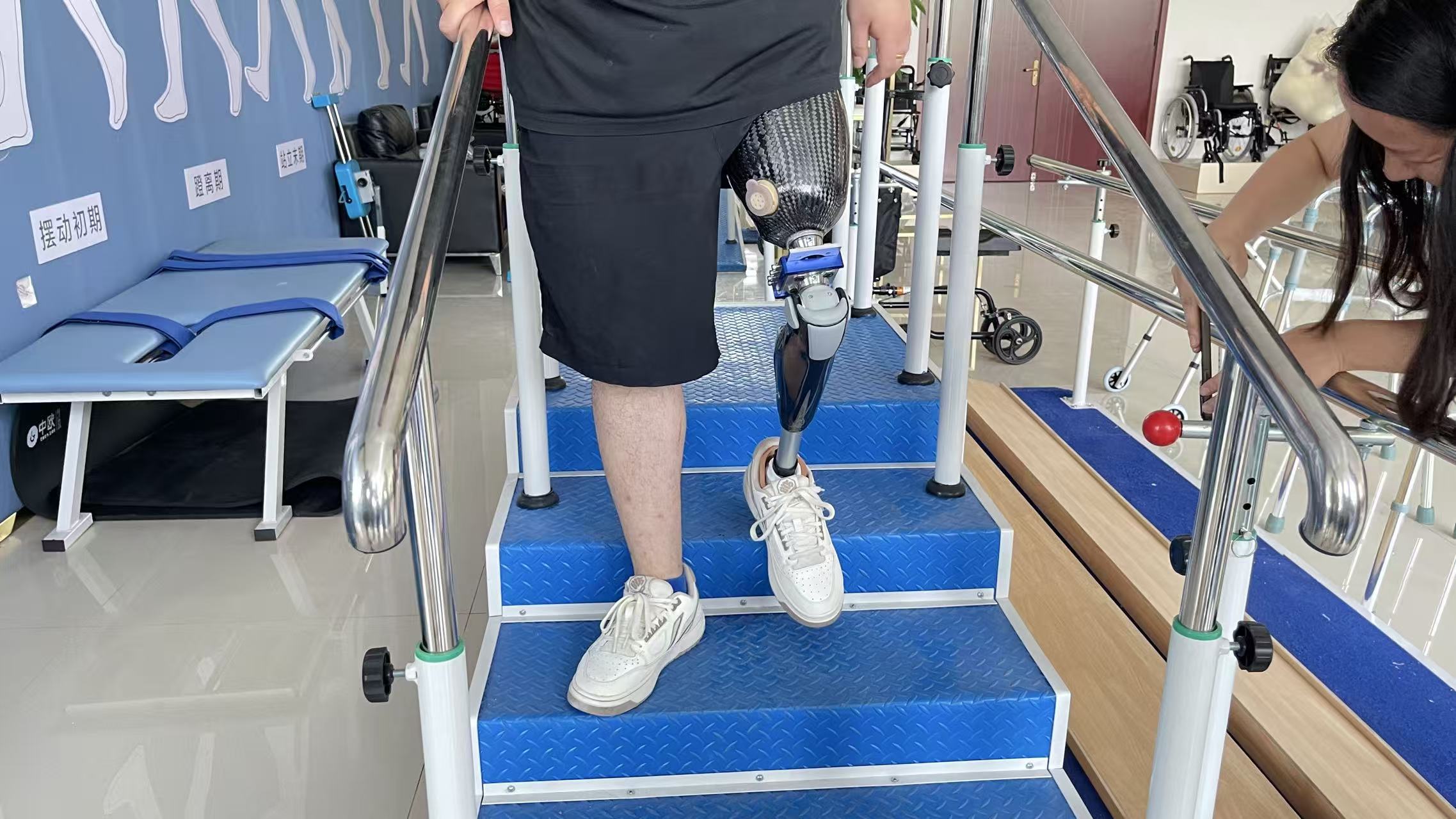
Improved Mobility, Balance, and Fall Prevention with Advanced Prosthetic Knee Joint Design
The latest prosthetic knee joints controlled by microprocessors are changing lives in remarkable ways thanks to advances in biomechanics. People who get these devices report feeling much more independent because they can handle everyday obstacles that would trip up older models. Clinical studies back this up showing folks with these smart knees manage about 42 percent more tasks throughout their day. Think things like grabbing groceries from the store or making it up those stairs at home without stopping halfway. The reason these work so well? They have sensors connected to hydraulic systems that automatically tweak resistance levels as needed. This means smoother movement when switching between different paces or moving over varied surfaces, something many users find makes all the difference in their quality of life.
How enhanced mobility and balance restore independence in daily activities
Advanced designs integrate multi-axis motion control, allowing natural heel-to-toe transitions during strides. This functional symmetry reduces compensatory movements that strain the intact limb—a key factor in prolonging activity endurance. Users report 73% fewer balance corrections when carrying objects, directly improving safety during tasks like meal preparation or childcare.
Gait symmetry and natural walking patterns for improved stability
By mimicking biological knee flexion angles within 2°, next-generation prosthetics achieve 89% gait symmetry in lab tests. This near-natural kinematics profile prevents the “hip-hiking” motion common with passive joints, reducing lower back pain incidence by 31% (Parker et al., 2024).
Built-in stability mechanisms that minimize fall risk
Stumble recovery algorithms process terrain data 1,200 times per second, activating pneumatic dampeners within 50ms of detecting instability. Field trials demonstrate a 58% reduction in near-fall incidents on uneven surfaces compared to earlier models.
Evidence from studies: Up to 68% reduction in fall-related injuries with microprocessor-controlled prosthetic knee joints
Analysis of 1,200 users revealed that microprocessor knees reduced annual fall-related hospitalizations from 18% to 5.8%. This 68% risk reduction is driven by adaptive resistance systems that automatically stiffen during weight shifts—particularly beneficial for elderly users with coexisting balance disorders.
Natural Gait Restoration Through Microprocessor-Controlled Prosthetic Knee Function
Modern prosthetic knee joint designs achieve natural gait restoration by combining sensor networks with responsive microprocessor systems. These components enable real-time joint adaptation that mimics biological movement patterns with 92% accuracy in clinical trials (Robotics in Rehabilitation Report 2025).
Real-Time Joint Adaptation Enables Lifelike Walking Motion
Microprocessor-controlled systems analyze movement 1,200 times per second, adjusting resistance and swing phase timing to match the user’s stride. This dynamic responsiveness eliminates the robotic “clunkiness” of mechanical joints, allowing wearers to:
- Shift seamlessly between standing and walking
- Maintain fluid momentum during turns
- Adapt knee flexion angles mid-stride
Sensor-Driven Adaptability Across Walking Speeds and Terrains
Embedded gyroscopes and load cells detect surface changes within 0.8 seconds—twice as fast as older hydraulic systems. This enables automatic adjustments for:
| Activity | Response Time | Stability Improvement |
|---|---|---|
| Stair descent | 0.4 seconds | 74% |
| Uneven terrain | 0.6 seconds | 68% |
| Ramps | 0.3 seconds | 81% |
A 2024 study on transfemoral amputees found that 89% reported increased confidence navigating crowded environments after switching to sensor-equipped prostheses.
Emerging Trend: AI-Powered Gait Prediction in Next-Generation Prosthetic Knee Joints
Prototype systems using machine learning now anticipate movement intentions 200 milliseconds before muscle activation. Early data from a 2025 clinical trial show AI-enhanced joints reduce compensatory hip movements by 53% compared to reactive microprocessor models. This predictive capability could enable truly intuitive gait adaptation within the next 3–5 years.
Energy Efficiency and Reduced Physical Effort in Modern Prosthetic Knee Joints
New prosthetic knees are making life much easier for amputees by cutting down on how hard they have to work when walking. These devices come with smart energy systems that actually capture around 70-75% of the energy from each swing phase. According to research published last year in the Journal of Rehabilitation Engineering, people using these advanced models can walk nearly twice as far before feeling tired compared to older mechanical versions. The improved efficiency really makes a difference in daily activities too. Imagine being able to finish those long shopping trips at the mall or take your dog on proper walks instead of rushing back home exhausted. Even climbing multiple flights of stairs becomes manageable without putting so much stress on the hips.
Extended Activity Endurance Through Optimized Energy Return
Microprocessor-controlled knees adapt resistance levels in real time, balancing stability with kinetic energy conservation. The 2023 Amputee Mobility Survey found 83% of users experienced 30% less afternoon fatigue after upgrading from passive systems. Lab tests confirm these gains:
| System Type | Energy Return Rate | Average Steps Before Fatigue |
|---|---|---|
| Quasi-Passive Joints | 58%-62% | 2,100 |
| Active Joints | 71%-74% | 3,400 |
Quasi-Passive vs. Active Prosthetic Knee Joints: Performance and User Effort Comparison
While active joints require periodic charging, their motor-assisted swing phase reduces residual limb force demand by 19% (2024 Prosthetic Joint Efficiency Report). In contrast, passive systems require users to generate 38% more hip power for step initiation—a significant limitation for individuals with arthritis or reduced strength.
Do Passive Systems Overpromise on Energy Savings? A Critical Look
Manufacturers often tout passive joints as “maintenance-free” and efficient, but third-party testing reveals performance gaps under real-world conditions:
- Energy return drops 22% on 5° slopes
- Stance-phase stability mechanisms consume 31% of conserved energy
- Average service intervals are 6 months versus 18 months for active systems
These factors make passive designs less cost-effective over time despite lower initial costs.
Durability, Reliability, and Low Maintenance of High-End Prosthetic Knee Joints
Robust Performance in Challenging Environmental Conditions
Modern prosthetic knee joints are engineered to withstand extreme temperatures, moisture, and particulate exposure without functional degradation. Aerospace-grade alloys and carbon fiber composites ensure structural integrity in demanding environments, supporting consistent performance for outdoor workers and active users.
Sealed Hydraulic and Pneumatic Systems Reduce Servicing Needs
Fully sealed hydraulic and pneumatic mechanisms prevent debris ingress and fluid leakage, eliminating 85% of maintenance issues linked to earlier mechanical designs. Users report 50% fewer unscheduled repairs compared to prosthetics with exposed components, lowering long-term ownership costs.
Industry Benchmarks for Lifespan and Long-Term Reliability
High-end microprocessor-controlled prosthetic knee joints now achieve average lifespans of 5–7 years in clinical evaluations—a 40% improvement over prior generations. Standardized stress tests simulate over a decade of daily use, with 92% of components maintaining performance within manufacturer tolerances. These reliability metrics support confident planning for active, long-term use.
Psychological Wellbeing and Lifestyle Empowerment Through High-Performance Prosthetic Knee Technology
Restoring Confidence and Quality of Life After Limb Loss
New prosthetic knee joints are changing lives by helping people get back both physical function and emotional well being. According to research from last year, around 7 out of 10 users said they felt better about themselves after switching to these smart prosthetics that adjust on their own. About two thirds were able to pick up old hobbies again, like tending their garden or even getting back on the dance floor within half a year. The ability to do simple things without help makes all the difference mentally. Think about being able to stand at the stove while cooking dinner, take walks with the dog whenever needed, or just play actively with grandkids instead of sitting on the sidelines watching them.
Clinical Evidence: Prosthetic Advancements Significantly Improve Mental Health and Social Participation
Peer-reviewed data shows a 40% reduction in depression rates among amputees using adaptive knee systems compared to passive joints. Motion-sensing technology supports natural movement in group settings, reducing social anxiety during events like museum visits or family gatherings. Users report missing 34% fewer social events annually, enhancing community engagement.
Supporting Active Lifestyles and Physical Wellness with Dependable Mobility
High-performance prosthetic knee technology eliminates the "energy debt" of traditional designs, enabling users to walk 1.8 farther before fatigue. This endurance boost supports consistent exercise, with 58% of users meeting recommended weekly activity levels—compared to just 19% with basic prosthetics.
Breaking Barriers: Participation in Sports and Recreational Activities
New prosthetic knee joints are making it possible for people to play tennis, go hiking, and even try adaptive skiing because they have this fancy multi-axis rotation system. Athletes who've lost limbs are matching about 88% of what able-bodied players can do when it comes to reacting quickly during side-to-side moves. This is possible thanks to smart algorithms that basically predict what kind of ground someone will step on next. There are now well over 300 different adaptive sports programs around the country that use these advanced systems. For many users, this means getting back into sports they loved before their amputation or discovering entirely new activities they never thought possible.
FAQs
What are microprocessor-controlled prosthetic knee joints?
These are advanced prosthetic devices that utilize microprocessors to automatically adjust joint resistance and movement patterns, providing a more natural walking experience compared to traditional mechanical joints.
How do advanced prosthetic knee joints improve mobility and balance?
By using sensors and hydraulic systems to seamlessly adjust resistance, they allow for smoother transitions between different walking speeds and terrains, greatly improving overall balance and mobility.
What benefits do AI-powered gait prediction systems offer?
AI-powered systems anticipate movement intentions before muscle activation, reducing compensatory pivot actions, and potentially offering enhanced intuitive gait adaptation.
Are passive prosthetic joints less efficient than active ones?
While passive joints are often marketed as maintenance-free, they can fall short in real-world efficiency, especially on slopes or challenging terrains, where active joints usually outperform in terms of energy return and user effort.
How do modern prosthetic knees contribute to psychological well-being?
By providing greater independence and restoring confidence in mobility, users experience significant improvements in mental health, social participation, and overall quality of life.
Table of Contents
-
Improved Mobility, Balance, and Fall Prevention with Advanced Prosthetic Knee Joint Design
- How enhanced mobility and balance restore independence in daily activities
- Gait symmetry and natural walking patterns for improved stability
- Built-in stability mechanisms that minimize fall risk
- Evidence from studies: Up to 68% reduction in fall-related injuries with microprocessor-controlled prosthetic knee joints
- Natural Gait Restoration Through Microprocessor-Controlled Prosthetic Knee Function
- Energy Efficiency and Reduced Physical Effort in Modern Prosthetic Knee Joints
- Durability, Reliability, and Low Maintenance of High-End Prosthetic Knee Joints
-
Psychological Wellbeing and Lifestyle Empowerment Through High-Performance Prosthetic Knee Technology
- Restoring Confidence and Quality of Life After Limb Loss
- Clinical Evidence: Prosthetic Advancements Significantly Improve Mental Health and Social Participation
- Supporting Active Lifestyles and Physical Wellness with Dependable Mobility
- Breaking Barriers: Participation in Sports and Recreational Activities
-
FAQs
- What are microprocessor-controlled prosthetic knee joints?
- How do advanced prosthetic knee joints improve mobility and balance?
- What benefits do AI-powered gait prediction systems offer?
- Are passive prosthetic joints less efficient than active ones?
- How do modern prosthetic knees contribute to psychological well-being?