 EN
EN

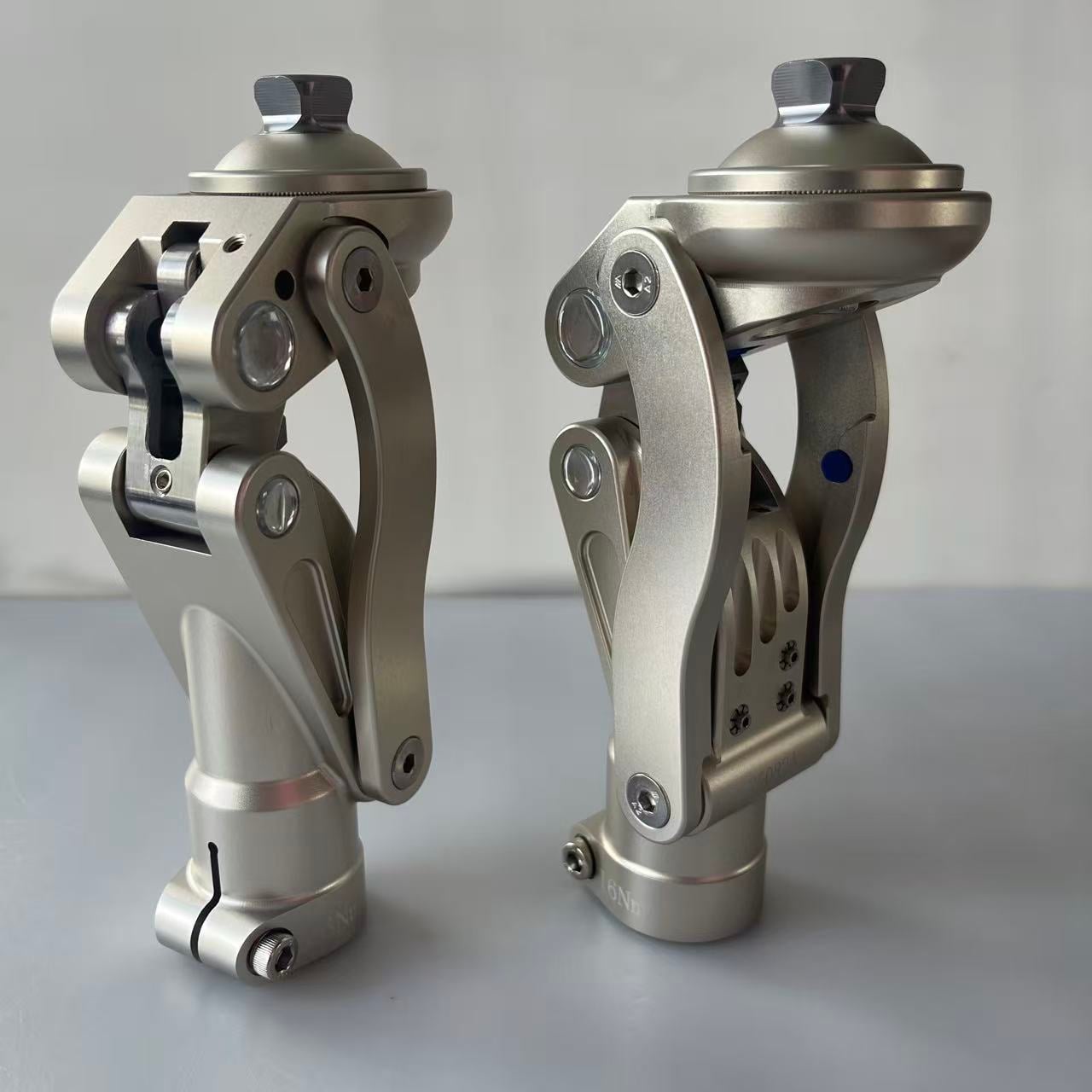
The Role of Prosthetic Knee Joints in Mobility, Balance, and Gait Stability
Artificial knee joints do two main things like real knees do they keep someone steady when they're standing still but also let them move their legs properly while walking around. The newer models with hydraulics or those fancy computer chips inside actually help about 7 out of 10 people stand better according to RoboBionics research from last year. These advanced prosthetics work by shifting weight across the body as needed, which takes pressure off the part of the leg that remains after amputation. When the knee bends and straightens in ways similar to how a natural knee would, it helps create a walking pattern that looks more normal. This matters because uneven walking can lead to all sorts of back and hip problems down the road for many amputees.
How Prosthetic Knee Mechanisms Support Walking Across Different Terrains
Modern prosthetic knees use hydraulic resistance along with swing phase control so they can adjust themselves when moving across different kinds of ground - think hills, rocky paths, or steps. The fluid systems inside these devices actually slow down how fast the knee bends when someone walks downhill, which makes going up and down safer overall. People who have used these advanced prosthetics tell us about fewer trips and falls too. One study found around 40 percent fewer stumbling problems compared to older style mechanical knees. Makes sense really, since nobody wants to trip over nothing while out shopping or just trying to get home after work.
Matching Knee Functionality to User Activity Levels: From Basic to High Demand
- Low-activity users: Single-axis knees offer reliable performance for indoor mobility
- Moderate-activity users: Polycentric designs facilitate smoother transitions between sitting and standing
- High-activity users: Microprocessor knees with multiple motion modes support running, hiking, and dynamic environments
A 2023 survey found that 62% of active users require at least two distinct gait modes to meet both daily and recreational demands.
Real-World Impact: Case Studies on Improved Daily Living with Modern Knees
One transfemoral amputee using a sensor-enhanced knee reported a 55% reduction in fatigue while grocery shopping and commuting. Another case involved a construction worker who returned to full-time work after switching to a weather-resistant knee with reinforced pivot points, demonstrating how activity-specific designs enhance real-world functionality beyond clinical settings.
Growing Demand for Functional Prosthetic Knee Joints in Everyday Life
The global market for advanced prosthetic knees is projected to grow 8.2% annually through 2030, driven by user demand for devices that support active lifestyles rather than just basic mobility. This shift reflects growing recognition of how proper knee selection influences long-term physical health and social participation.
Mechanical vs. Microprocessor-Controlled Prosthetic Knee Joint Types
Prosthetic knee joints fall into two primary categories: mechanical and microprocessor-controlled systems. Each addresses different mobility needs, with 72% of users prioritizing alignment between device capabilities and personal activity levels (2024 Mobility Report). Below we analyze their unique benefits and limitations.
Single-Axis and Hydraulic Knees: Reliability for Low- to Moderate-Activity Users
Mechanical designs like single-axis hinges and hydraulic systems remain popular due to durability and cost-effectiveness ($2,800–$4,200 average). Key advantages include:
- Stability: Weight-activated locking prevents collapse during stance phase
-
Low maintenance: Fewer moving parts reduce repair frequency by 33% compared to advanced knees (2023 Prosthetics Maintenance Study)
These models are ideal for predictable routines but perform less effectively on uneven terrain.
Microprocessor-Controlled Knees: Enhancing Dynamic Movement and Safety
Equipped with real-time motion sensors and adaptive hydraulic or pneumatic resistance, these systems reduce stumble risks by 41% (Journal of Prosthetics and Orthotics 2020). Clinical trials have shown:
- 28% faster stair descent speeds
- 19% greater energy efficiency during incline walking
Their ability to adjust swing-phase dynamics makes them essential for users navigating complex environments or frequent posture changes.
AI and Sensor Integration: The Future of Smart Prosthetic Knee Joints
Emerging models use machine learning and environmental scanning to anticipate terrain changes up to 0.3 seconds before foot contact and auto-adjust resistance across 0°–135° of flexion. Early data from the 2023 Wearable Robotics Conference show a 52% reduction in compensatory movements compared to non-AI systems, signaling a major leap in gait normalization.
Balancing Cost and Performance: Are Advanced Knees Worth the Investment?
The cost of microprocessor knees ranges anywhere between $15k and $50k which is way more expensive than the mechanical alternatives that typically cost under $10k. But here's the catch: they cut down on fall related hospitalizations by about 60%. People who walk quite a bit actually report much higher satisfaction rates too. Those who average over 5,000 steps per day tend to be happy with their microprocessor knees around 89% of the time versus just 67% satisfaction rate for the basic models according to the 2023 Amputee Mobility Survey. More insurance companies are starting to pick up the tab for these advanced prosthetics because studies show they really do improve lives while also cutting down on overall healthcare costs in the long run.
Key Features That Define a High-Performance Prosthetic Knee Joint
Hydraulic Resistance and Swing Control for Natural Gait Patterns
Today's prosthetic knee designs incorporate either hydraulic or pneumatic mechanisms that adjust resistance as needed based on how fast someone walks and what kind of ground they're on. According to research published in the 2023 Bionic Prosthetics Review, these smart knees help people with above-the-knee amputations achieve better balance between their legs, improving gait symmetry by around 27%. They also cut down on that annoying stump slap feeling when switching from one step to the next. The energy savings are pretty impressive too. People using these advanced prosthetics actually use about 19% less energy walking on flat surfaces compared to older mechanical versions. Makes sense why so many are making the switch nowadays.
Material and Design: Durability, Weight, and Comfort in Daily Use
High-performance knees combine aerospace-grade aluminum alloys with carbon fiber composites, achieving strength without excess weight. Today's average prosthetic knee weighs 30% less than 2019 equivalents while maintaining ISO 10328 certification for over 150,000 cycles. Ergonomic integration of moisture-wicking liners and pressure-distributing contours addresses comfort concerns cited by 68% of users in clinical feedback.
Environmental Adaptability: Stair Climbing, Standing, and Uneven Terrain
The latest knee technology features multiple axis rotation plus smart systems that help prevent falls, allowing for around 130 degrees of bending which makes going up stairs much easier. These advanced prosthetics analyze the ground beneath them as they move, helping people stay balanced even when walking over uneven pavement or rough terrain. Testing in real world conditions found that individuals using these smart knees succeeded at navigating grocery stores 93 times out of 100, compared to only about 74 successful attempts per 100 tries with older mechanical versions. That kind of difference really matters for daily living activities where stability is so important.
Customization and Proper Alignment for Optimal Prosthetic Knee Performance
Why Precise Fitting and Alignment Are Critical for Transfemoral Users
Getting the alignment right and making proper customizations makes all the difference for people who use transfemoral prosthetics when it comes to comfort, how much energy they expend, and keeping their joints healthy over time. Research published last year showed something pretty significant too. When there's even a small misalignment in the socket area (more than 3 degrees off), walkers actually work harder metabolically by about 18%. And this isn't just about immediate discomfort either. These misalignments can lead to problems with joints down the road as well. On the flip side, those specially made sockets cut down on shear forces around 30% compared to one-size-fits-all models. This matters because it helps prevent skin irritation and those painful pressure sores that develop after standing or moving around for extended periods.
Tailoring the Prosthetic Knee Joint to Individual Gait and Lifestyle Goals
These days customization goes way past just how something fits on the body. We're talking about tuning devices based on actual biomechanics and what people actually do in their everyday lives. Take adjustable hydraulic resistance systems paired with those smart microprocessors controlling swing phases during movement. These can be tweaked specifically for someone who spends most days zipping around city streets versus tackling rough trails in the countryside. What they call activity specific calibration really makes a difference too. It works by adjusting flexion angles and distributing weight properly when doing things like riding a bike or tending to plants in the garden. Some tests showed this approach cuts down on those awkward compensatory movements by roughly twenty two percent, which sounds impressive enough. Plus it helps folks switch smoothly from one task to another throughout their day without feeling restricted or uncomfortable.
Evaluating Prosthetic Knee Joint Suitability Across Activity Levels
Low-, Moderate-, and High-Activity Lifestyles: Matching Technology to Need
Selecting the right prosthetic knee requires aligning technology with the user’s activity profile.
- Low-activity users (e.g., household tasks) benefit from simple, lightweight mechanical knees offering consistent stability
- Moderate-activity users (e.g., outdoor walking, gardening) gain improved control from hydraulic systems with variable resistance
- High-activity users, including athletes or laborers, typically require microprocessor-controlled knees that enhance gait symmetry and reduce fall risk by 41% during dynamic motion (Proteus Ortho 2023)
| Activity Level | Key Features | Ideal Use Cases |
|---|---|---|
| Low | Simple mechanics, lightweight design | Indoor walking, sitting/standing |
| Moderate | Hydraulic swing control, mid-range durability | Gardening, uneven urban terrain |
| High | Microprocessor adaptability, impact absorption | Running, climbing, heavy labor |
Modular designs now allow component swapping for specific tasks, enabling one prosthetic knee joint to adapt to evolving lifestyle demands.
Real-World Usability vs. Technological Advancement: Bridging the Gap
Despite rapid innovation, 63% of users prioritize reliability over cutting-edge features (Prosthetics Today 2024). In unpredictable environments like crowded streets or loose gravel, manually adjustable hydraulic systems often outperform fully automated models. Current engineering efforts focus on simplifying interfaces to make high-tech knees accessible and intuitive for all users.
User Feedback and Clinical Outcomes in Daily Living Scenarios
Research over years has found that around 78 percent of people notice real improvements in how stable and comfortable they feel when their prosthetic knee actually matches what kind of activities they do regularly. Getting those post fitting tweaks right matters a lot too because things like swelling in the residual limb or changing fitness targets will mess with how everything lines up and works properly. The happiest patients tend to be those who get knees made from tough stuff like carbon fiber frames plus ones that can be programmed specifically for different tasks. These models really shine during those moments when someone goes from sitting down to standing up again.
FAQ
What is the primary function of a prosthetic knee joint?
Prosthetic knee joints keep individuals steady when standing and allow for proper leg movement while walking. Advanced models with hydraulics or microprocessor technologies assist with balance and create more natural walking patterns.
What are the differences between mechanical and microprocessor-controlled prosthetic knees?
Mechanical knees, like single-axis and hydraulic designs, are durable and cost-effective, suitable for predictable terrains. In contrast, microprocessor-controlled knees use sensors and adaptive resistance for dynamic environments, offering advanced movement safety and efficiency.
Who benefits most from microprocessor-controlled prosthetic knees?
High-activity users, such as athletes and laborers, benefit significantly from microprocessor-controlled prosthetic knees as these devices support complex activities by enhancing gait symmetry and reducing fall risk.
Is it worth investing in advanced knee prosthetics?
Although more expensive, advanced microprocessor knees reduce fall-related hospitalizations and improve user satisfaction, especially for those exceeding 5,000 steps daily. Many insurance companies cover these costs due to overall long-term healthcare savings.
Table of Contents
- The Role of Prosthetic Knee Joints in Mobility, Balance, and Gait Stability
- How Prosthetic Knee Mechanisms Support Walking Across Different Terrains
- Matching Knee Functionality to User Activity Levels: From Basic to High Demand
- Real-World Impact: Case Studies on Improved Daily Living with Modern Knees
- Growing Demand for Functional Prosthetic Knee Joints in Everyday Life
- Mechanical vs. Microprocessor-Controlled Prosthetic Knee Joint Types
- Key Features That Define a High-Performance Prosthetic Knee Joint
- Customization and Proper Alignment for Optimal Prosthetic Knee Performance
- Evaluating Prosthetic Knee Joint Suitability Across Activity Levels
- FAQ