 EN
EN

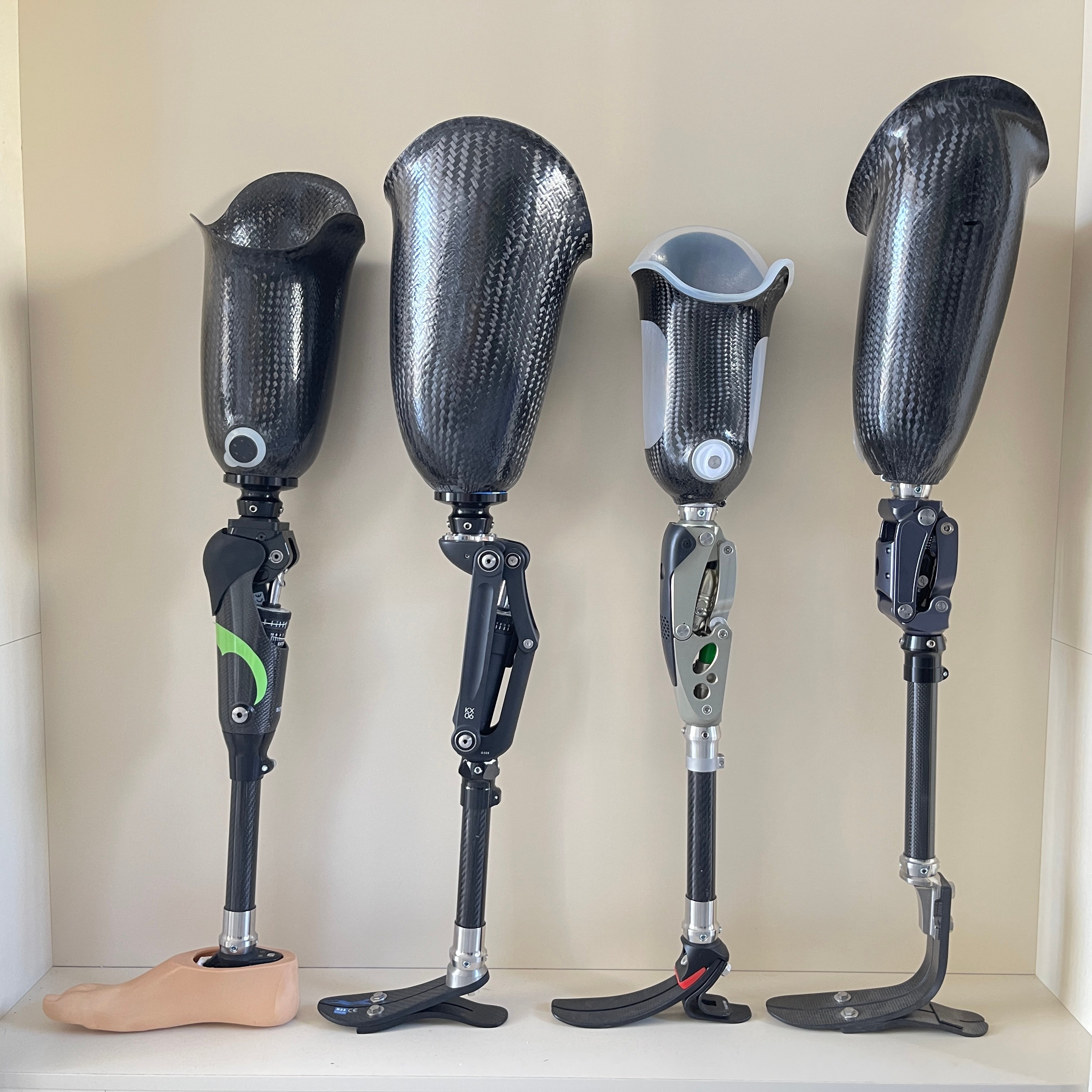
Lifestyle and Activity Level: Matching Prosthesis Leg to Daily Demands
Assessing Activity Level for Optimal Prosthetic Performance
Most prosthetic clinics rely on activity level ratings ranging from K2 to K4 when trying to pair leg prostheses with what patients actually need for mobility. According to research published last year by Johns Hopkins Rehabilitation, around 6 out of every 10 amputees saw their walking patterns become more balanced after getting fitted with devices that matched their specific activity level. These improvements amounted to roughly a 28% reduction in uneven gait compared to folks who got mismatched equipment. People who don't walk much generally do well with simpler, non-moving parts, whereas those leading more active lives often need advanced options like carbon fiber supports or even smart joints controlled by tiny computers. Clinics usually assess activity levels through actual walking tests combined with discussions about daily routines and exercise habits before making final recommendations for prosthetic fittings.
How Lifestyle Needs Influence Functionality of the Prosthesis Leg
The environments people live in day to day along with their jobs really determine what kind of prosthetics they need. City folks who walk around on all those cracked and uneven sidewalks tend to require feet that can absorb shocks, while country folk dealing with mud and hills find rotational adapters much more helpful. According to research published by MIT's biomechanics department last year, when prosthetics are tailored specifically to someone's occupation, they actually cut down on energy use by about forty percent. That makes a big difference for anyone who stands on their feet for more than six hours straight every day at work. There are also extra features worth considering too. Waterproof coatings let users enjoy water based activities without worry, and quick release sockets give caregivers a real boost in independence since they don't have to struggle so much with transferring limbs between different positions throughout the day.
Strategy: Aligning Energy-Storing Feet With High-Mobility Lifestyles
People who are really active like runners, hikers and serious athletes will find that ankles controlled by microprocessors with adjustable resistance give them better energy return when they move around. Some tests show these devices can actually return about 1.6 times the energy put into them, which makes each step more efficient. What's great about these systems is how fast they respond to different kinds of ground conditions. They have those fancy dual axis sensors that let someone switch from one surface to another roughly 30 something percent quicker than older models could manage. Most doctors suggest going with these modern feet along with special liners that have multiple hardness levels plus vacuum suspension systems. This combination keeps everything firmly attached even when doing intense activities that push beyond standard exertion levels measured at around 8 METs according to clinical standards.
Residual Limb Condition and Type of Amputation: Biomechanical Foundations
How Transtibial vs. Transfemoral Amputations Affect Prosthesis Leg Selection
People who have lost part of their legs below or above the knee face very different challenges when it comes to walking again, which is why prosthetic legs need to be designed differently for each situation. Those missing just below the knee tend to benefit from feet that store energy, helping them move more naturally like a real ankle would. But when someone loses their leg above the knee, they need much more complex knee joints since there's no actual knee left to work with. A study done back in 2004 by Jia and colleagues found that the remaining part of the leg after a below-knee amputation actually experiences about 23 percent more pressure while walking around, so these patients need stronger, more stable socket designs. That's why many above-knee prostheses now come equipped with smart knees controlled by tiny computers inside them. These advanced features help maintain better balance and create a more even walking pattern, especially important when navigating uneven surfaces or going up and down stairs.
Managing Volume Fluctuations in the Residual Limb for Consistent Fit
The volume of residual limbs tends to change quite a bit after amputation, sometimes varying as much as 11% during the first year alone. That's why many patients need sockets that can adapt over time. These days, most prosthetists recommend using silicone liners along with those adjustable ply socks and vacuum systems for better attachment. The vacuum tech actually works pretty well at preventing skin sores too research shows around a 37% improvement over old fashioned pin locks. For anyone going through rehab, it really pays off to get measured regularly in those early months when everything is still settling down and changing shape.
Prosthetic Technology: From Passive to Advanced Microprocessor-Controlled Systems
Understanding Material & Technology in Modern Prosthesis Leg Design
Modern prosthetic legs are making big strides thanks to lighter materials like carbon fiber, which can cut down on weight by around 40% while still keeping things strong enough for daily use, as found in recent studies from the 2024 Gait Analysis Conference. The top models these days come equipped with either hydraulic or pneumatic systems controlled by tiny computers inside them. These smart systems let the prosthetics adjust on the fly when someone changes their walking pace, tackles hills, or steps onto uneven ground. People who use these advanced prosthetics report feeling much more confident navigating different terrains, whether they're walking through city streets or hiking trails, something that wasn't possible with older models just a few years back.
Benefits of Microprocessor-Controlled Knees for Balance and Gait
Modern microprocessor knees can detect changes in ground force about 500 times every single second, which cuts down on tripping incidents by around three quarters when compared to older mechanical models according to research published last year in the Journal of Prosthetics and Orthotics. What makes these advanced prosthetics so impressive is how they adjust their resistance levels as someone moves from sitting to standing positions. They also stop unexpected collapses even when supporting weights as heavy as 136 kilograms or roughly 300 pounds. This means better protection against accidents and smoother, more natural walking patterns for users who rely on them daily.
Energy-Storing Feet Versus Hydraulic Systems: A Functional Comparison
| Feature | Energy-Storing Feet | Hydraulic Systems |
|---|---|---|
| Terrain Adaptation | Limited (<10° incline) | Advanced (30°+ incline) |
| Energy Return | 94% kinetic energy recycling | 78% energy transfer efficiency |
| Maintenance Cycle | 12-18 months | 6-9 months |
Hydraulic ankles offer superior adaptability on uneven ground but demand more frequent servicing than durable carbon fiber energy-storing models, based on 2023 Prosthetic Maintenance Reports.
Future Trend: AI Integration in Adaptive Prosthetic Limbs
New prosthetic devices are starting to use machine learning tech that can actually predict how someone will walk about 0.8 seconds before they do it. According to a study published in Robotics in Rehabilitation last year, these smart systems cut down on those awkward compensating movements by around 37%. Some experimental brain-computer interfaces are getting pretty impressive results too. When people climb stairs, these interfaces tweak the joint angles just right, matching up with normal limb function at about 92% effectiveness in lab settings. Looking ahead, we're seeing some really cool developments like self-adjusting socket designs. These advanced prototypes sense when the volume of the residual limb changes throughout the day and automatically adapt to maintain comfort and stability for amputees.
Comfort, Fit, and Long-Term Usability of the Prosthesis Leg
Importance of Prosthetic Socket Fit for Residual Limb Health
Getting a properly fitted socket can stop around 73% of those pesky skin breakdown issues for people with lower limb amputations according to research from Johns Hopkins in 2023. That makes good socket fit really important if someone wants to stay comfortable long term and keep their tissues healthy. The newer dynamic socket designs actually spread out the pressure better on those bony parts of the body, cutting down shear stress by roughly 40% compared to older rigid models. Today's tech helps too. We've got these 3D scanners now that create detailed maps of the residual limb shape, so we can make custom sockets that adjust as the limb changes size throughout the day. For folks who have lost their femur specifically, most end up needing between three and five adjustments during the first twelve months after surgery because muscles shrink and tissues change shape over time.
Evaluating Liner Materials and Suspension System Options
| Feature | Silicone Liners | Hybrid Suspension Systems |
|---|---|---|
| Pressure Relief | 55% reduction in peak pressure | Dynamic load redistribution |
| Sweat Management | Hydrophobic microtextures | Ventilated seals |
| Maintenance | Daily washing required | Biweekly component inspection |
Carbon fiber-reinforced silicone liners extend daily wear time by 2.7 hours compared to conventional urethane versions, according to recent clinical findings. Modern locking pin systems often include microprocessor-regulated vacuum pumps that sustain consistent suction throughout dynamic activities, minimizing pistoning by 82% in active users.
Principle of Dynamic Fit Adjustments During Rehabilitation
The new phase approach to fitting prostheses has actually cut down abandonment rates quite a bit - around 31%, according to that recent report from the Amputee Coalition in 2023. During those first three months after getting a prosthesis, people typically get checked every week. These checkups involve special laser tools that measure how much swelling there is in different areas. For the first few weeks, temporary sockets are used. They come with adjustable parts so they can be tweaked as tissues settle and swelling goes down over time. What's really interesting now is these modern prosthetics often include built-in sensors that detect pressure points when someone does everyday activities like going up stairs or standing from sitting position. This information helps clinicians make necessary adjustments before problems develop.
Budget, Insurance Coverage, and Access to Prosthesis Leg Technology
Cost and Insurance Coverage for Prosthetics: What™s Typically Covered?
Most health insurance plans cover 50-100% of prosthesis leg costs when deemed medically necessary. Medicare and Medicaid reimburse 80% of basic prosthetic expenses, while private insurers generally require documentation including amputation records and prosthetist evaluations (Prosthetic Limb Insurance Coverage Report, 2023). Coverage varies by device type:
| Prosthetic Type | Typical Coverage | Requirements |
|---|---|---|
| Basic/Body-Powered | 70-100% | Minimal justification |
| Microprocessor-Controlled | 50-80% | Proof of functional need |
Strategies to Maximize Insurance Benefits for Advanced Prosthesis Leg Technology
If an insurance claim gets turned down, the best approach is to file an appeal backed by solid documentation. Gait analysis reports work well here, along with letters from doctors that highlight just how much better mobility becomes with those fancy parts on the market today. Think about hydraulic ankles or those smart knee systems powered by artificial intelligence that really cut down on fall incidents. Don't forget to include pre-authorization paperwork when possible, especially if there's clinical research showing these devices actually keep patients safer. Many people find success with what we call hybrid funding strategies. Get the basic stuff covered through regular insurance policies, then look into HSAs or reach out to charities for extra money needed for things like waterproof coatings or other premium features that weren't initially approved.
Durability and Maintenance of Prosthetic Legs Under Financial Constraints
Carbon fiber prosthetics that get regular care typically last somewhere between three to five years, which actually makes them pretty cost effective when looking at the long run. Maintenance really matters though. Socket adjustments need to happen roughly every six months up to once a year to avoid any issues with tissue damage. And those liners? They should be replaced annually too, costing anywhere from two hundred to five hundred bucks just to keep things clean and comfortable. For folks on tight budgets, there are some charities out there that offer subsidized repair services. The catch is waiting periods can stretch anywhere from four months all the way to half a year according to various cost studies on prosthetic care.
Frequently Asked Questions (FAQs)
What factors should be considered when selecting a prosthetic leg?
Several factors should be considered, including the individual's lifestyle, activity level, the condition of their residual limb, type of amputation, and budget constraints. Each of these elements can influence the type of prosthetic that would offer the best fit and functionality.
How do microprocessor-controlled knees benefit users?
Microprocessor-controlled knees adjust their resistance levels dynamically to accommodate changes in movement, thereby reducing tripping incidents, ensuring better balance, and providing more natural walking patterns.
What are some strategies to maximize insurance benefits for prosthetic legs?
Appealing denied claims with supporting documentation such as gait analysis reports and doctor’s notes can help. Using a combination of insurance and alternative funding sources like HSAs and charitable organizations can also maximize benefits.
How important is the socket fit for prosthetic limbs?
A well-fitted socket is crucial as it can prevent up to 73% of skin breakdown issues. Proper fit contributes to the long-term comfort and health of the residual limb.
Table of Contents
- Lifestyle and Activity Level: Matching Prosthesis Leg to Daily Demands
- Residual Limb Condition and Type of Amputation: Biomechanical Foundations
- Prosthetic Technology: From Passive to Advanced Microprocessor-Controlled Systems
- Comfort, Fit, and Long-Term Usability of the Prosthesis Leg
- Importance of Prosthetic Socket Fit for Residual Limb Health
- Evaluating Liner Materials and Suspension System Options
- Principle of Dynamic Fit Adjustments During Rehabilitation
- Budget, Insurance Coverage, and Access to Prosthesis Leg Technology
- Frequently Asked Questions (FAQs)