 EN
EN

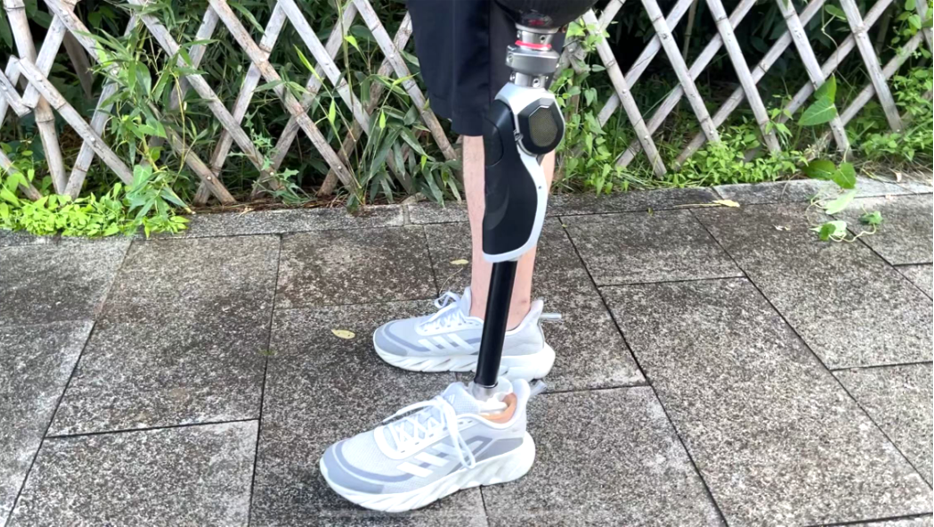
Precision Socket Design: The Foundation of Prosthesis Leg Comfort
Why Anatomical Variability Makes Standard Prosthesis Leg Sockets Uncomfortable
No two residual limbs are exactly alike when it comes to their shape, how dense the tissues are, or where they're sensitive to pressure. Standard socket designs just can't handle all these differences. That's why people often end up with rubbing spots, bad weight balance across the limb, and eventually painful sores on their skin. They also tend to wear their prosthetics for shorter periods because of discomfort. Plus, walking gets harder as the body compensates for imbalance, putting extra stress on other joints. Studies indicate that getting a custom made socket cuts down pressure injuries by around 60 percent over regular ones according to research published in the Journal of Rehabilitation Research last year. What works best? Creating something tailored specifically for each individual's needs rather than trying to fit everyone into one size fits all approach.
- Bony prominence protection: Shielding vulnerable tibia/fibula areas
- Soft tissue compliance: Accommodating muscle contraction during movement
- Volume fluctuation management: Adapting to daily limb size changes
How 3D Scanning and Dynamic Pressure Mapping Optimize Load Distribution in the Prosthesis Leg Socket
Modern 3D scanning technology can map out the shape of a residual limb down to the millimeter within just a few seconds, creating detailed digital models that show exactly how each individual's limb is shaped. When combined with pressure mapping during walking tests, these scans let us see where forces are being applied in real time as someone moves around. Special sensors built into temporary prosthetic sockets pick up spots where pressure goes above 35 kilopascals, which doctors consider dangerous for soft tissues according to recent research from Clinical Biomechanics in 2024. Based on all this information, prosthetists adjust how weight is distributed across the socket surface so that the final device will work better and be more comfortable for everyday use.
| Optimization Focus | Standard Socket | Custom Solution |
|---|---|---|
| Peak Pressure | 220 kPa | 80 kPa |
| Contact Surface | 40% of limb | 85–90% of limb |
| Adjustment Cycles | 0–1 | 3–5 iterations |
This precision engineering transforms weight-bearing from isolated pressure points into balanced surface engagement—enhancing stability while reducing shear forces by 57% in clinical trials.
Personalized Components: Liners, Suspension, and Alignment for Prosthesis Leg Comfort
Customized interface systems are fundamental to prosthesis leg comfort. Unlike generic solutions, personalized components address individual anatomical variations that cause pressure points and instability.
Cushioned Liner Materials and Dynamic Suspension Systems Reduce Shear and Skin Irritation
Modern liners use medical-grade silicones and multi-density foams to absorb impact forces and distribute pressure across the residual limb—reducing friction by up to 70% compared to traditional options. Dynamic suspension systems enhance this effect through:
- Vacuum-sealed mechanisms that maintain consistent socket contact
- Pin-lock designs eliminating circumferential compression
- Moisture-wicking layers preventing bacterial growth
Together, they minimize skin breakdown risks during extended wear while improving proprioceptive feedback.
Iterative Alignment Tuning Ensures Natural Gait Mechanics and Minimizes Residual Limb Stress
Prosthetists conduct gait analysis across varied terrains using motion-capture technology. Micro-adjustments to socket angle, foot rotation, and knee dynamics achieve:
- Symmetrical weight distribution (±5% variance)
- Reduced vertical displacement during heel strike
- Optimized energy return at toe-off
Patients typically undergo 3–5 tuning sessions, decreasing abnormal joint loading by 40% and preventing long-term musculoskeletal complications. Continuous alignment refinement accommodates physiological changes in residual limb volume and tissue composition.
Advanced Materials and Smart Integration in Modern Prosthesis Leg Systems
Carbon Fiber–Composite Structures vs. Traditional Thermoplastics: Weight, Flexibility, and Interface Comfort
When it comes to comfort, carbon fiber composites have really taken the lead over traditional thermoplastics. Thermoplastics are still widely used for basic devices, but they weigh anywhere from 35 to 50 percent more than their carbon fiber counterparts according to recent studies. This extra weight makes a big difference in how someone walks and puts pressure on their residual limb. The newer carbon fiber materials can bend about 40 percent more than before, which helps joints move more naturally throughout everyday tasks. What's interesting is how these materials transmit less vibration at the interface point. Less vibration means less rubbing and irritation. A lot of people who use these devices long term actually experience skin breakdown because of constant friction. About two thirds of those surveyed mentioned this issue specifically. Manufacturers are now working on creating materials that offer different levels of flexibility in specific areas. Stiffer sections handle impacts better while softer spots conform around pressure points where comfort matters most.
Silicone-Gel Interfaces and Micro-Adjustable Connectors Enhance Stability and Sensory Feedback
The latest silicone gel liners are changing how prosthetics interact with skin by spreading pressure more evenly. These high quality interfaces work by distributing weight changes across the whole limb surface area, which cuts down on those hot spots that cause discomfort. Studies from the Biomechanics Institute back this up showing around 30% less pressure buildup compared to regular elastic materials. What makes these liners really stand out is their special micro porous design that keeps sweat away from the skin. Most people who use prosthetics find moisture to be a big problem, with about two thirds reporting irritation issues. Alongside this moisture management feature, there are also tiny adjustable magnets built into the socket connections. These let users tweak their fit on the fly without having to take everything apart. The result? Better stability when moving around and maintaining that important sense of touch through the prosthesis. For those lucky enough to have access to smart sensing tech, the improvement in feeling what's happening underfoot jumps by roughly 25%. This means users can walk over uneven ground almost instinctively without thinking about it too much.
Sustaining Comfort Over Time: Prosthesis Leg Maintenance and Adaptive Care Protocols
The comfort of prosthetic legs isn't something fixed or permanent. It actually requires regular attention and adjustments as the body changes over time. Many people experience about 15% monthly variation in their residual limb volume which makes ongoing care essential. Daily cleaning routines matter a lot too. Using gentle, pH balanced products helps keep bacteria at bay and protects against skin problems. Studies from the Journal of Prosthetics and Orthotics show that poor maintenance can raise the chances of developing dermatitis by more than a third. Getting professional checkups every six to twelve months is really important for keeping everything aligned properly. Small tweaks to the pylon or socket connection points make all the difference when tissues shift around naturally. Active individuals should pay special attention to their equipment. Those with thermoplastic components need connector torque checks about every three months. Carbon fiber parts call for annual inspections to ensure they're holding up structurally. When these basic maintenance steps get ignored, components tend to wear out faster. The walking pattern becomes unstable and extra stress builds up in the joints. This kind of neglect ultimately hurts both mobility and overall comfort in the long run.
FAQ
How does a custom socket design improve prosthesis comfort?
Custom socket designs are tailored specifically to accommodate the unique shape and needs of each individual's residual limb. This personalized approach minimizes pressure points, reduces skin irritation, and enhances weight distribution, thus improving overall comfort.
What technologies aid in the creation of custom sockets?
Technologies such as 3D scanning and dynamic pressure mapping help determine the precise shape and pressure distribution of the residual limb, enabling prosthetists to design sockets that maximize comfort and support.
Why are carbon fiber composites preferred over traditional thermoplastics in prosthesis design?
Carbon fiber composites are lighter and more flexible than traditional thermoplastics, allowing for more natural joint movement and less vibration at the interface point, which reduces skin irritation and pressure points.
How often should maintenance checks be performed on prosthetic legs?
It's recommended to have professional checkups every six to twelve months to ensure proper alignment and function. Active individuals may require more frequent maintenance, such as connector torque checks every three months for thermoplastic components.
Table of Contents
- Precision Socket Design: The Foundation of Prosthesis Leg Comfort
- Personalized Components: Liners, Suspension, and Alignment for Prosthesis Leg Comfort
- Advanced Materials and Smart Integration in Modern Prosthesis Leg Systems
- Sustaining Comfort Over Time: Prosthesis Leg Maintenance and Adaptive Care Protocols
- FAQ