 EN
EN

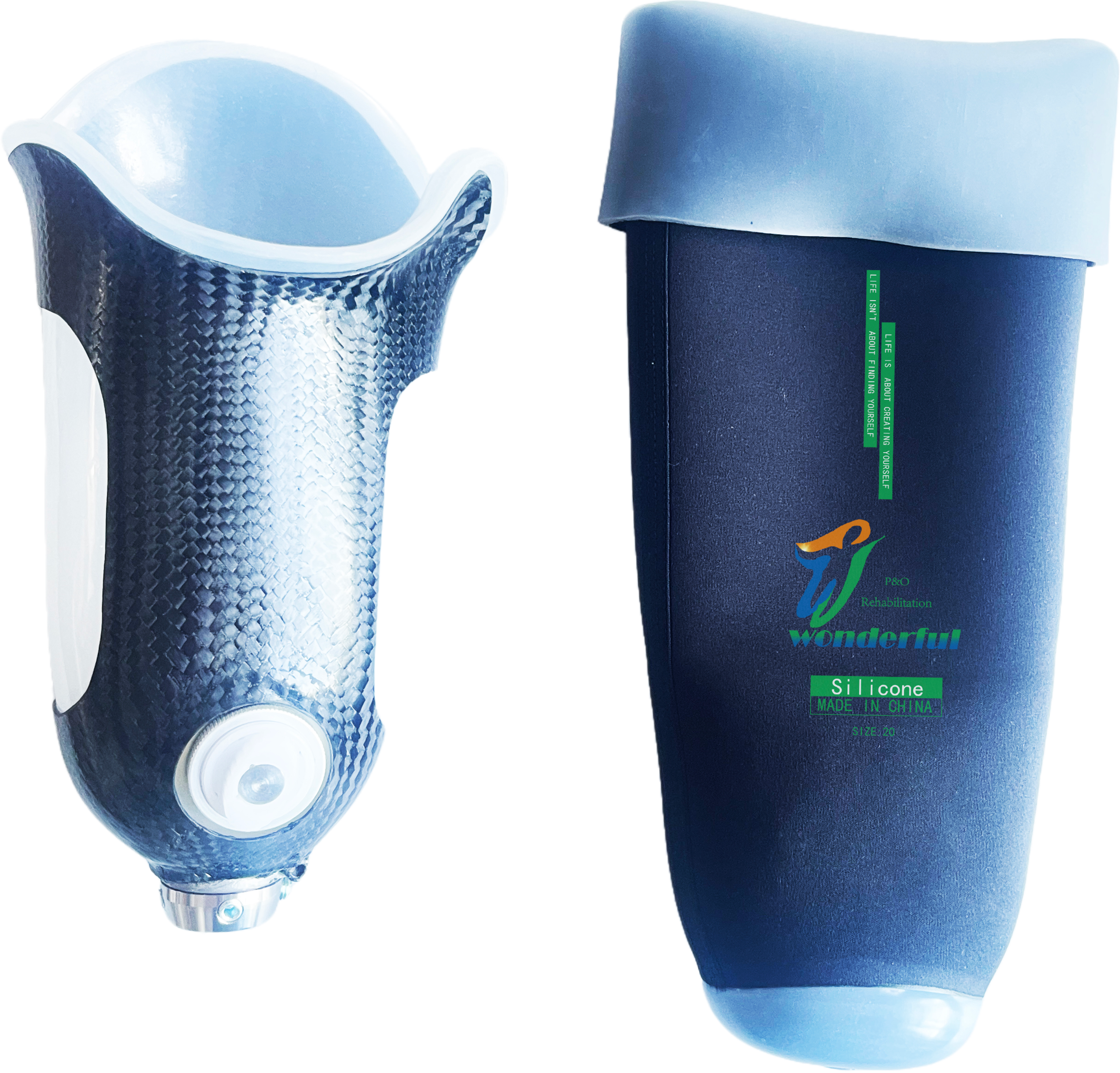
Silicone Liners: Superior Fit and Skin Protection for Daily Use
Medical-grade silicone and its mechanical resilience in prosthetic liner applications
Silicone used in medical applications stands out for how well it holds up in prosthetic liners, keeping its shape even after lots of squeezing and impacts throughout the day. What makes it special is that it can act like a shock absorber, adjusting as limbs move around, which cuts down on pressure points by about 40% when compared to older materials. Most people find these liners last anywhere between a year and a half to eighteen months before needing replacement, since they don't tear easily or wear out quickly. Another plus is the smooth surface that doesn't let germs stick to it, but there's a catch - regular soaps with higher pH levels can actually damage the material over time, so users need to stick with specially formulated cleaners instead.
Clinical benefits: Reduced shear stress and 22% lower risk of skin breakdown
Clinical research shows silicone liners cut down shear forces around 31 percent and make skin breakdown about 22% less likely than when using thermoplastic options. These materials spread pressure more evenly across bony areas, which helps protect those sensitive spots. Plus, they stick just enough to form what feels like a second layer of skin, keeping the outer skin layer intact even when someone is walking around all day. People who wear these report roughly 37% fewer problems with their skin, something that matters a lot for folks who have had amputations and deal with weaker tissues, especially diabetics. The way these liners stay put also means less movement inside the socket, so there's not as much rubbing that can cause painful injuries over time.
Challenges with heat retention and moisture buildup during extended wear
Despite their protective advantages, silicone liners pose thermoregulatory challenges due to limited breathability:
- Heat retention: Skin temperature can rise 4–7°F during prolonged use
- Moisture accumulation: Traps 68% more perspiration than ventilated options
- Microclimate disruption: Humidity levels exceed 85% inside the socket
To mitigate these effects, users should remove liners every 4–6 hours for skin ventilation. Innovations such as wicking liners, antimicrobial coatings, and phase-change inserts help manage heat and moisture without compromising suspension or protection.
Thermoplastic Elastomer (TPE) Liners: Lightweight Comfort for Sensitive Skin
Hypoallergenic properties and skin compatibility for fragile or reactive tissue
TPE liners work really well for people who have sensitive skin or tissue issues. Medical grade TPE doesn't contain latex or those typical allergens that cause problems, so there's less chance of getting dermatitis because it basically doesn't react with the skin. What makes this material special is how it slowly molds itself around limbs, spreading out pressure points away from places where someone might have had surgery or near bones that stick out. Compared to silicone, which needs all sorts of chemicals to hold its shape, TPE stays put without these additives, making it much gentler on skin that tends to get irritated easily. That's why many patients find them more comfortable during long recovery periods.
Breathable copolymer blends that reduce occlusion and improve air circulation
Advanced TPE liners made from engineered copolymer blends have these tiny pores throughout them that let out about 40% more vapor than regular solid materials according to tests done on thermal manikins. What does this mean practically? Well, when something is breathable like this, it means less occlusion happens because air can keep moving through continuously. And we all know what happens when there's no airflow - bacteria starts growing! The special open cell structure actually pulls moisture away from the body sideways instead of letting it sit right against the skin. This makes a big difference especially for people with diabetes who need extra protection or anyone living somewhere really humid. Plus, despite all this ventilation going on, the liner still holds everything securely in place within the socket.
Urethane and Polyurethane Liners: High-Performance Support for Active Users
Dynamic pressure distribution and energy-return elasticity during ambulation
Urethane and polyurethane liners are really good at handling the forces our bodies experience when we move around. At a molecular level, these materials spread out pressure as we take each step, which helps avoid those hot spots where pain usually develops. What makes them special is their ability to absorb energy when we put weight on them and then give some of that back when pushing off the ground. Tests show this can cut down on muscle strain by roughly 15%, making every stride feel easier. For people who walk or run regularly, this energy return means better forward motion without extra effort. Plus, the cushioning adjusts itself based on what kind of surface someone is moving across. Even after lots of repeated steps, these liners keep working well, dampening vibrations and supporting movements sideways or under impact conditions. That's why many athletes and fitness enthusiasts prefer them for their gear.
Hybrid and Next-Generation Prosthetic Liners: Integrating Suspension, Fit, and Skin Health
Vacuum-Assisted Systems Combining Silicone/Urethane Cores with Ventilated TPE Outer Layers
Prosthetic liners that combine materials like silicone or urethane cores with thermoplastic elastomer (TPE) on the outside have been developed to address problems seen in traditional single material designs. The inner part helps spread pressure evenly across the limb and returns some energy when someone moves around, which makes walking feel more natural. Meanwhile, those little holes in the TPE outer layer let air circulate better than regular solid liners do, increasing airflow by about 40%. Putting different materials together this way actually works really well for three main things: comfort during long periods of wear, better moisture management because of that extra ventilation, and overall durability since each material handles its own job best.
- Suspension stability through vacuum-assisted adhesion
- Anatomical fit via elastic core responsiveness
- Skin health by reducing heat and moisture retention
Clinical trials indicate these systems reduce shear forces by 30% and extend safe wear time to over 14 hours, supporting all-day use for individuals with active lifestyles.
FAQ Section
What are the main benefits of silicone liners?
Silicone liners offer superior fit and skin protection, as they effectively reduce shear stress and lower the risk of skin breakdown, making them ideal for daily use.
Why are TPE liners suitable for sensitive skin?
TPE liners are hypoallergenic and designed to be gentle on reactive or fragile tissues, providing comfort and reducing the risk of skin irritation.
How do urethane and polyurethane liners support active users?
These liners provide dynamic pressure distribution and energy-return elasticity, making them suitable for athletes and individuals with active lifestyles.
What are hybrid prosthetic liners?
Hybrid prosthetic liners combine silicone or urethane cores with ventilated TPE outer layers for improved suspension, fit, and moisture management.
Table of Contents
- Silicone Liners: Superior Fit and Skin Protection for Daily Use
- Thermoplastic Elastomer (TPE) Liners: Lightweight Comfort for Sensitive Skin
- Urethane and Polyurethane Liners: High-Performance Support for Active Users
- Hybrid and Next-Generation Prosthetic Liners: Integrating Suspension, Fit, and Skin Health
- FAQ Section