 EN
EN

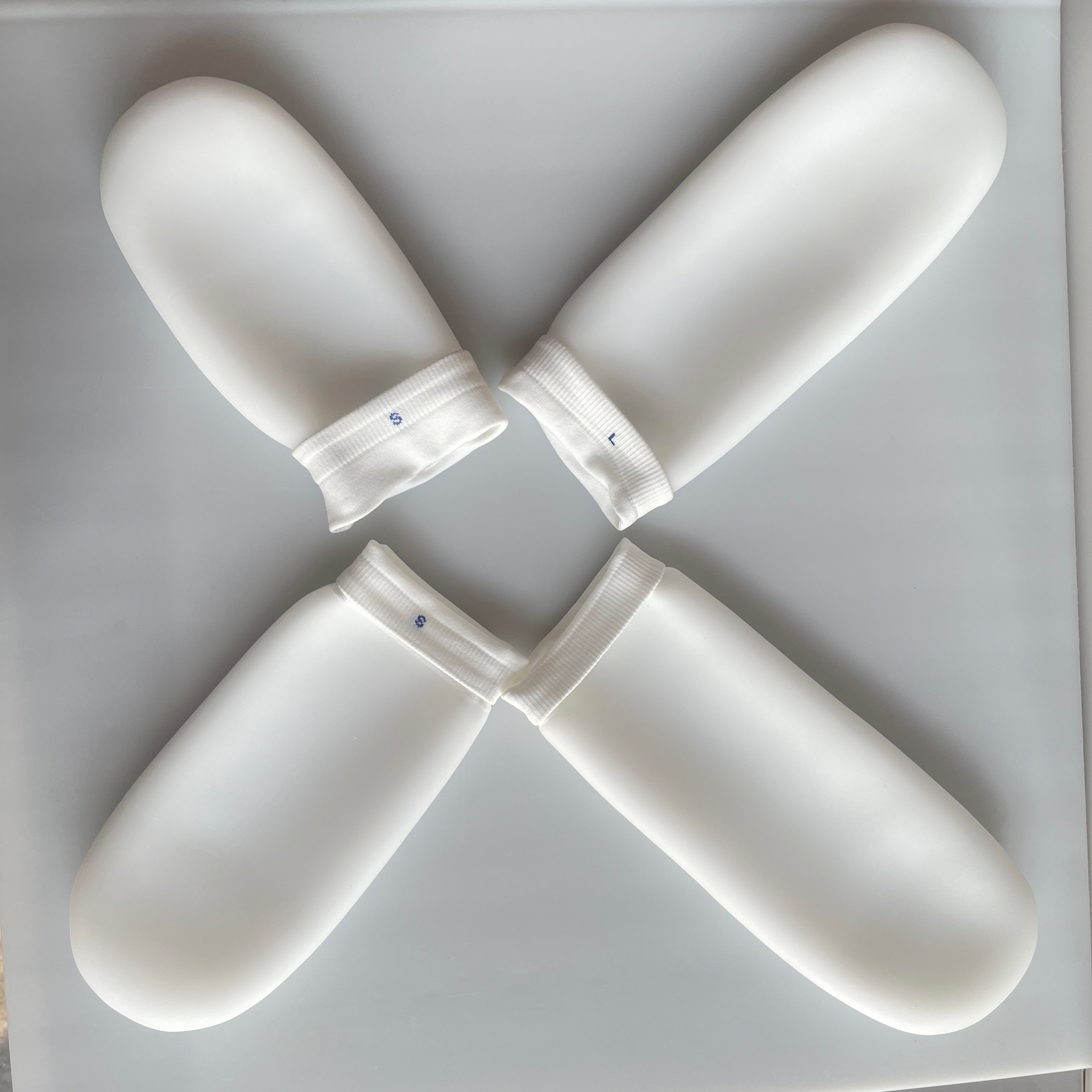
Prosthetic Liner Materials: Silicone, TPE, Gel, and Urethane Explained
Silicone Liners: Durability, Skin Compatibility, and Long-Term Wear Performance
Silicone prosthetic liners offer a good mix of lasting strength and gentle contact with the skin, which makes them great for everyday use. The medical grade silicone stays elastic for about 12 to 18 months when used regularly, and it causes fewer allergic reactions than other materials. That's really important for people with sensitive skin. These liners also stay stable better than softer options, cutting down on shear forces by around 30%. This helps protect the remaining limb tissue during all those repeated motions throughout the day. They provide decent cushioning too, but recent improvements have added special viscoelastic ingredients that make them absorb shocks better without losing their shape. Most users find they don't need extra padding anymore since these new versions handle impacts so well.
TPE and Polyurethane Liners: Flexibility, Cost-Efficiency, and Suitability for Active Users
TPE liners bring something special to the table when it comes to flexibility, typically costing around 40% less than those fancy silicone alternatives. What really sets them apart is how their gel core works to spread out pressure as people move around, which is why so many athletes and fitness enthusiasts swear by them. The polyurethane versions have this cool property where they actually flow differently, stopping those annoying pressure spots from forming over time something that matters a lot for folks wearing these things all day long. Sure, the soft feel does make for better comfort overall, but there's a catch we've noticed in testing the materials degrade about 20% quicker than silicone when put through serious stress tests. For most everyday users though, this tradeoff works out well since comfort and how well they adjust to different activities usually matters more than having them last forever without replacement.
Mineral Oil Gel Liners: Cushioning Benefits and Limitations in High-Load Applications
Gel liners made from mineral oil offer pretty good cushioning effects, cutting down on those pressure points by around 25% which is great news for people with sensitive residual limbs. The stuff actually helps keep skin moisturized too, so it's especially helpful for older folks or anyone with delicate skin issues. But there are some downsides when things get intense. When someone applies too much force, say over about 35 pounds per square inch, the whole gel system just collapses basically, and all that protection disappears. Plus these liners don't last forever either. Most people find they need to replace them every six to nine months if they're doing anything that puts real strain on them like running or climbing stairs regularly. Makes sense why athletes might want something different for their daily routines.
Prosthetic Liner Design Features That Affect Fit and Function
Thickness options (2mm to 6mm): Balancing suspension, comfort, and socket compatibility
How thick the liner is makes a big difference in how well a prosthetic works. Most options go from about 2mm all the way up to 6mm, each thickness having its own purpose in different situations. The thinner ones, around 2 to 3mm, let people feel their limbs better and work well with tighter fitting sockets. These are great for folks whose residual limbs stay pretty much the same size. For most users, the 4mm thickness seems to hit the sweet spot between comfort and not being too bulky. When someone needs extra protection, especially if their limb is sensitive or they do lots of physical activity, going with 5 or 6mm liners gives the best shock absorption. But these thicker options need bigger sockets to fit properly. Studies on walking patterns show that picking the wrong thickness can actually raise pressure points by as much as 30%, which leads to sores and other problems. Good prosthetists look at how much the residual limb changes throughout the day, what kind of activities the person does regularly, and what material the socket is made from before deciding on the right thickness. Getting this right helps keep everything securely in place without rubbing too much.
Anatomical shaping and distal tapers: Enhancing alignment and reducing pistoning
The strategic shaping of prosthetic components tackles many suspension issues by focusing on specific compression areas where they're needed most. Liners that follow the body's natural shape come with extra support on both sides (medial and lateral walls) plus special cuts around the patellar tendon area. These design elements help maintain better control when putting weight on the device. The distal end gets progressively thinner as it approaches the limb, creating what we call a vacuum effect along the way. This design cuts down on something called vertical pistoning by about half compared to older liner designs that had the same thickness all over. When walking, this taper helps reduce pressure at the bottom part while keeping things sealed properly higher up, especially noticeable during those moments when the leg swings forward. Thanks to modern manufacturing techniques, we can now create custom gradients that fit around bony parts without making it harder to put the prosthesis on or take it off. The result? Shear forces get redirected away from sensitive spots on the skin, which means fewer blisters for users in daily life.
Real-World Prosthetic Liner Performance: Pistoning, Pressure, and Skin Health
Measuring fit stability: How liner type influences pistoning during gait
The materials used for prosthetic liners have a big effect on something called pistoning, which is basically how much the leg moves up and down inside the socket while someone walks around. Silicone liners actually cut down on this problem by about 15 to 20 percent compared to regular gel options because they create more friction against the skin. The difference becomes really noticeable when going downhill, where poor quality liners can let the limb shift as much as 8 millimeters within the socket. Some recent motion tracking tests show that going with thinner liners between 2 and 3 mm thick helps people walk better since there's less wasted energy fighting against slipping motions. People who are more active tend to find themselves adjusting their steps less often when they wear these stickier materials, making their overall movement feel smoother and more natural.
Interface pressure and shear stress: Implications for residual limb health and comfort
Uneven pressure distribution from ill-fitting liners causes 67% of skin complications in lower-limb amputees. Shear forces—particularly during rotational movements—damage dermal layers more severely than vertical pressure. Key findings include:
- Silicone and urethane liners lower peak shear stress by 30—40% versus traditional gels
- High-friction interfaces reduce blister incidence by 22% in early adaptation phases
- Anatomically contoured designs decrease ulcer risk by redistributing load from bony prominences
Chronic shear exposure triggers inflammatory responses that compromise skin integrity over time. Proper liner selection prevents 40% of pressure-related hospitalizations among prosthetic users.
FAQ
How long do silicone prosthetic liners last?
Silicone liners typically remain elastic and functional for about 12 to 18 months with regular use.
Are TPE liners suitable for athletes?
Yes, TPE liners are popular among athletes due to their flexibility and ability to distribute pressure effectively during movement.
How often should mineral oil gel liners be replaced?
Mineral oil gel liners generally need replacing every six to nine months, especially if subjected to high-impact activities.
What determines the appropriate thickness for a prosthetic liner?
The choice of thickness depends on the user's activity level, limb sensitivity, and socket compatibility, with common options ranging from 2mm to 6mm.
What is pistoning in the context of prosthetic liners?
Pistoning refers to the vertical movement or shifting of the leg within the prosthetic socket during activities like walking.