 EN
EN

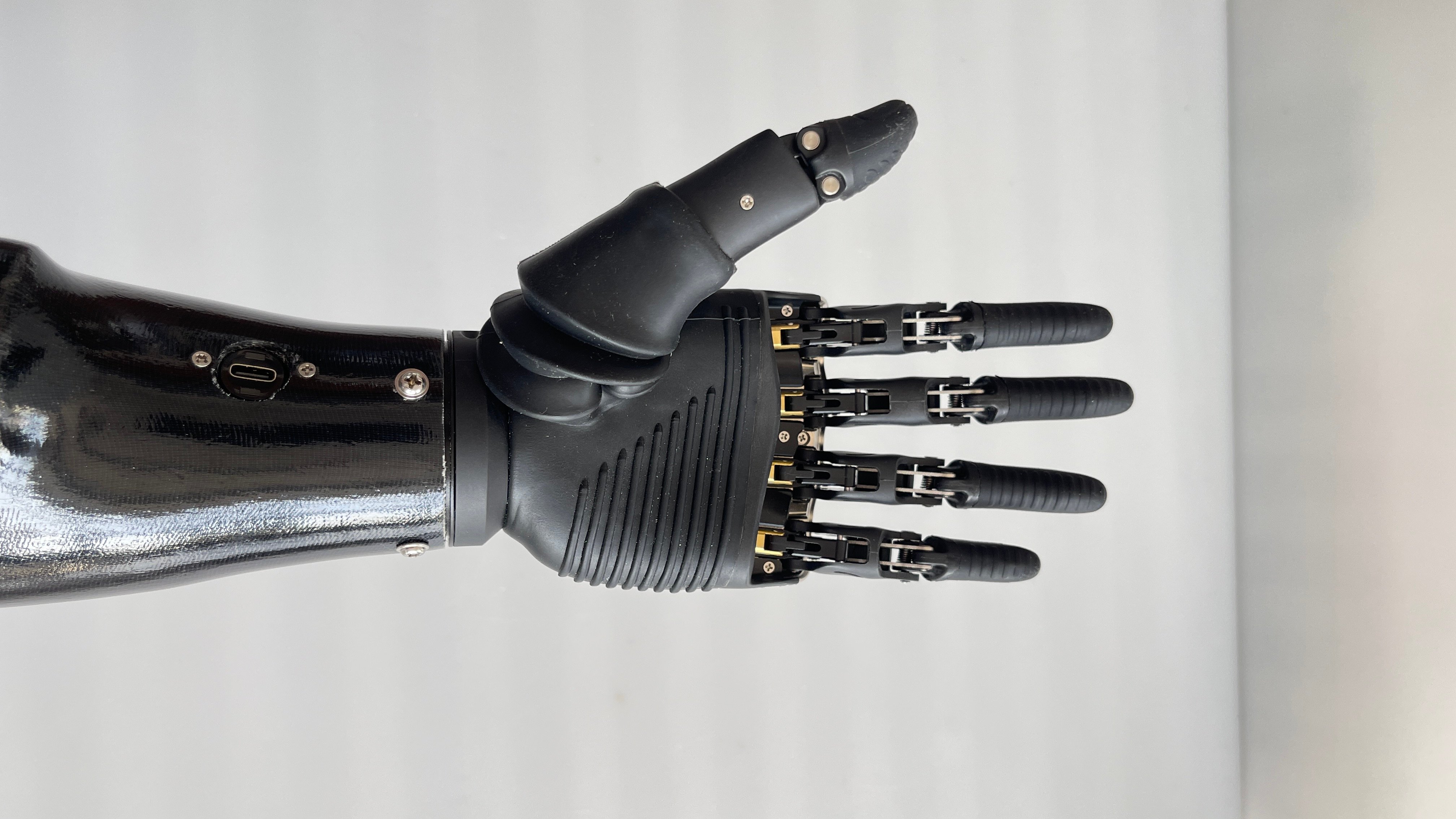
Core Functional Capabilities of Modern Prosthetic Hands
Power Grasps vs. Precision Handling: Task-Specific Grip Modes
Today's prosthetic hands are getting pretty close to matching what real hands can do, thanks to different grip settings built right in. When someone needs to grab something big or heavy, like a water bottle or tool, they use what we call power grasps. These involve the whole hand wrapping around the object with full force. On the flip side, there are those fine motor skills where just the fingertips come into play. Think about things like writing with a pen, fastening buttons on clothes, or even handling tiny electronic components. Some advanced models now have over 19 points of movement freedom, allowing them to form around 33 different ways of holding stuff according to research published in Nature last year. All this flexibility means most people who wear these devices can tackle about nine out of ten everyday activities without trouble. From picking up groceries at the store to typing messages on their phone, modern prosthetics let users switch between gripping styles almost instinctively throughout their day.
Nonprehensile Functions: Stabilizing, Pushing, Hanging, and Bracing
Beyond grasping, advanced prosthetics support essential nonprehensile actions that enhance real-world usability:
- Stabilizing: Holding objects steady against surfaces, such as securing paper while writing
- Pushing: Operating buttons, switches, or opening doors
-
Hanging: Temporarily suspending items from hooks or rails
These functions rely on passive mechanics and strategic weight distribution, allowing users to brace against counters, steady packages, or hang bags. Such capabilities reduce compensatory movements by 40%, decreasing strain and injury risk during prolonged use (Nature 2025). Combined with lightweight construction under 0.4 kg, these features support all-day comfort and reliable performance.
Control Methods That Enable Prosthetic Hand Functionality
Myoelectric Control: Decoding Muscle Signals for Intuitive Operation
Myoelectric prosthetics work by turning muscle contractions into actual movement through surface electrodes placed on the skin. These electrodes pick up EMG signals from what's left of the limb's muscles. When someone uses certain muscles they used to control fingers before losing their limb, the sensors catch those tiny electrical impulses at the microvolt level. This then triggers programmed responses such as pinch or grasp motions. What makes these systems special is their proportional control feature where stronger muscle contractions lead to quicker or tighter movements. Thanks to today's advanced processors, response times have dropped below 300 milliseconds according to research published in the Journal of NeuroEngineering last year. Although people need to train specific muscles for best results, most users find that tasks become much easier after about three months of practice. Statistics show around 78 percent experience better handling when using eating utensils specifically.
Body-Powered and Hybrid Systems: Simplicity, Reliability, and User Preference
Prosthetic limbs powered by the body work through shoulder or chest movements connected to the hand via a harness and Bowden cables. The mechanical connection gives users actual feedback they can sense when handling objects, which makes these devices really good for tough jobs where strength matters most. Some newer models mix traditional mechanics with electric sensors too. These hybrids let people control delicate movements with muscle signals while still relying on physical motion for strong grasps needed to carry heavy loads. According to a study published last year, around two thirds of workers who need durable equipment in harsh conditions stick with either hybrid or purely body-powered options. They tend to run into problems about a third less often than those using all-electronic alternatives, which means less downtime and repair costs over time.
Sensory Feedback and Dexterity: Closing the Loop in Prosthetic Hand Performance
Targeted Reinnervation and Electrotactile Feedback for Embodied Control
Modern prosthetic hands are getting much better at fine motor skills thanks to sensory feedback technology that lets the user and device talk back and forth. With something called Targeted Muscle Reinnervation or TMR, doctors can redirect leftover nerves in the arm to muscles on the chest area. This creates touch sensations that match where fingers would normally be on a real hand. There's also this thing called electrotactile feedback which sends small electric signals directly to the skin receptors. People can actually feel how tight their grip is or if something starts slipping without needing any kind of surgery. Research has shown pretty impressive results too. A study back in 2025 discovered that constant feedback about position and movement helped users adjust their grip strength accurately by nearly 40% even when blindfolded. Another survey from 2022 across multiple centers reported that almost 8 out of 10 participants felt less phantom limb pain after switching to these advanced prosthetics with feedback features. Sure, TMR does involve going under the knife, but there are plenty of non-surgical alternatives now that work just as well for most people who already have prostheses. These newer models don't just function as tools anymore they start feeling like actual parts of the body again.
Real-World Functionality Gap: Why Designed Features Don’t Always Translate to Daily Use
The truth is, even top-of-the-line prosthetic hands struggle in regular day-to-day situations. Those fancy grip patterns and feedback systems designed in labs just don't cut it when faced with real world messiness like slippery floors, hot coffee spills, or sudden changes in what someone needs to do. Most people end up ignoring all those complicated features because thinking about them takes too much mental effort while trying to grab a cup of coffee or open a jar. The problem happens when engineers get too caught up chasing numbers on spec sheets instead of actually seeing how things work in real life. When companies build something amazing in theory but never test it properly in the field, what they create tends to fall apart fast once it hits the real world. Looking at actual user feedback again and again shows better results than aiming for perfect specs. Getting input early from people who will actually use these devices helps spot major gaps between what was planned and what's really needed. Focusing on basic functions that adapt well rather than getting bogged down with special features makes prosthetics perform reliably where they count the most — during normal daily routines.
FAQ Section
What are power grasps?
Power grasps are grip modes in prosthetic hands used for holding large or heavy objects where the entire hand wraps around the object with full force.
What is myoelectric control in prosthetic hands?
Myoelectric control in prosthetics involves decoding muscle signals from the remaining limb muscles to enable intuitive hand movements through surface electrodes.
What is Targeted Muscle Reinnervation?
Targeted Muscle Reinnervation is a surgical procedure where doctors redirect nerves to muscles, creating tactile sensations that match where fingers would normally touch.