 EN
EN

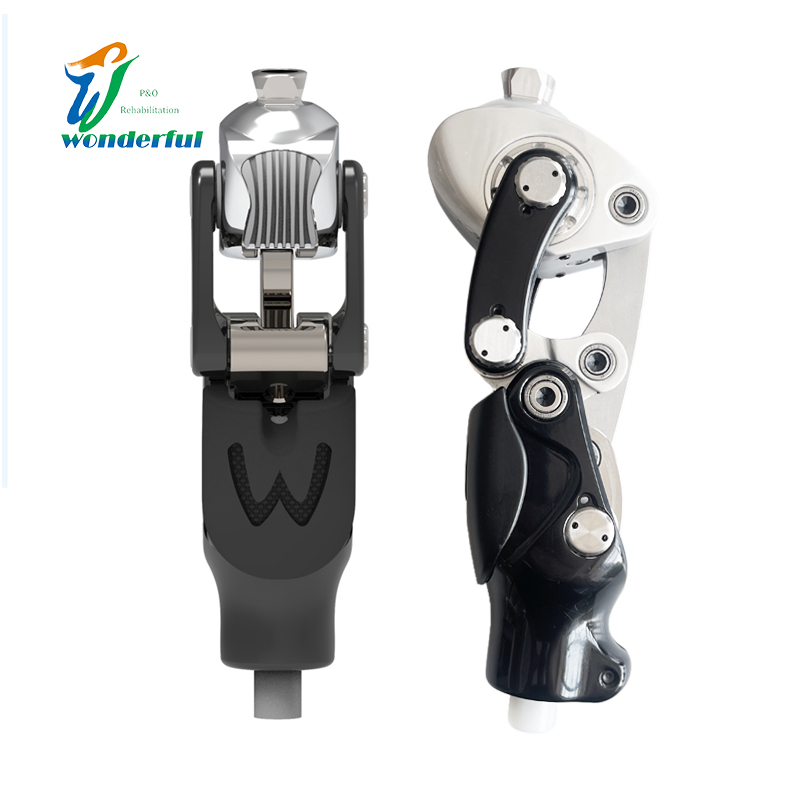
Why Waterproofing Is Critical for Bionic Knee Joint Function and Safety
For users of advanced prosthetics, environmental exposure isn’t hypothetical—it’s daily reality. A waterproof bionic knee joint isn’t a luxury; it’s foundational to safety and uninterrupted mobility. Without robust moisture protection, even routine activities become high-risk scenarios.
Real-World Environmental Exposures: Rain, Sweat, Aquatic Therapy, and Outdoor Use
Moisture remains a constant battle for bionic knee joints. Think about all those rainy days commuting to work, the sweat that builds up during gym sessions, not to mention swimming classes where water gets everywhere. People who love spending time outdoors deal with muddy trails, puddles after storms, and icy patches when they go hiking or tend their gardens. This isn't some rare occurrence—it's part of everyday life for many amputees. According to research published in the Journal of Rehabilitation Tech last year, most prosthetic users deal with water exposure somewhere between three and five times each week through normal daily routines. That's why engineers need to design these devices keeping actual living conditions in mind rather than just lab settings where everything stays dry and predictable.
Moisture-Induced Failures: Corrosion, Sensor Drift, and Actuator Malfunction in Bionic Knee Joints
Water getting into a joint is no small problem. Once it happens, things start going downhill fast. The metal parts made of titanium or aluminum begin to corrode and lose strength. Then there's humidity messing with those tiny electrical signals in position sensors, which leads to all sorts of problems with how the joint moves. And let's not forget about the actuators that move fluids around inside these systems. If water gets into their circuits, they either stop working completely or fire off at the wrong times. These kinds of failures are serious business, not just annoying glitches. People using these devices face much higher chances of falling when conditions are wet - studies show risk goes up around 40% according to Biomechanics Review from last year. That's why keeping water out matters so much for engineers designing these systems. Preventing moisture entry stops this whole chain reaction before it even starts.
How Waterproofing Is Engineered into Clinical-Grade Bionic Knee Joints
IP67–IP68 Certification: What It Means for Bionic Knee Joint Enclosure Integrity
The IP rating system gives us a standard way to measure how well something protects against environmental factors. For bionic knee joints, getting an IP67 or IP68 certification means they have top level waterproofing capabilities. When we talk about IP67, these devices can handle being submerged in water about a meter deep for half an hour without issues. IP68 goes even further, allowing them to work properly underwater at deeper levels specified by manufacturers, usually around 1.5 meters for over 30 minutes straight. Patients benefit greatly from this kind of protection since their knees stay fully functional whether they're taking showers, doing water based physical therapy exercises, or accidentally fall into a pool. According to recent tests conducted by Bionics Lab in 2023, joints with IP68 certification kept working at nearly 99.8% efficiency after going through 5,000 simulated underwater exposure tests. Manufacturers spend considerable time making sure all those tiny gaps between parts are completely sealed off from dust particles and water pressure so users can trust these devices no matter what environment they find themselves in.
Sealing Strategies: Hermetic Welding, Precision Gaskets, and Conformal Coatings
There are basically three main approaches engineers use to build those watertight barriers in modern bionic knee joints. First up is hermetic laser welding, which bonds titanium alloy casings so tightly at the molecular level that water literally has no chance of getting through. These welds create practically zero porosity, stopping moisture from migrating into sensitive components. Next we have these precision machined fluorosilicone gaskets that get compressed between 2.5 and 3.0 megapascals. They maintain their seal even as parts move around and expand when temperatures change. For the electronics inside, manufacturers apply nano scale ceramic polymer coatings. These special coatings do triple duty they repel water thanks to their hydrophobic properties, they neutralize those pesky ionic contaminants before they can cause corrosion, and they stay flexible even in extreme temps ranging from minus 40 degrees Celsius all the way up to 85. When put together, these protection methods bring down moisture related failures to less than 0.1 percent per year according to recent research published in Prosthetics Research Quarterly back in 2024. That's actually better performance than most natural human joints manage over time.
Balancing Protection with Performance: Thermal Management and Weight Constraints
Waterproofing solutions involve tricky compromises between keeping things dry, managing heat buildup, and keeping overall weight down. Strong seals that stop water getting in are obviously necessary, but they also tend to make systems heavier and block heat from escaping the internal parts like actuators and processors. The problem is these components run hot during operation, and without good heat management, they wear out faster and joints don't last as long. When waterproof barriers trap heat inside enclosures, we see serious problems developing. Electronics start failing at twice the rate for every 10 degrees Celsius over their ideal temperature range, which makes thermal runaway a major concern for anyone designing these systems.
The challenge of managing heat in lightweight designs gets solved through some clever engineering approaches. Most engineers these days put thermally conductive rubber materials right where components touch each other, and they're also building tiny channels inside structures to move heat around. The trick is keeping everything working well without making things too heavy because even small extra weight matters when it comes to how easy something is to carry or wear. When picking materials, there's always that trade off between stuff that moves heat efficiently and materials that keep water out. Some systems use vacuum sealed connections that actually pull heat away from delicate parts while still maintaining complete protection against water getting in.
Getting the right balance takes careful simulation work and plenty of prototype testing. Advanced CFD models help predict how heat moves through the device when put through actual usage scenarios. A good design keeps things watertight but also manages internal temps so they stay within safe ranges for operation. This means the bionic knee joints keep working properly no matter what conditions people face, be it pouring rain during daily walks, underwater rehabilitation sessions, or intense athletic training. Maintaining this delicate balance between protection and performance makes all the difference in how reliable these devices remain over time and ultimately affects whether patients stick with their treatment plans.
FAQ
What is IP67 and IP68 certification? IP67 and IP68 certifications are standard measures of the waterproofing capabilities of devices. IP67 certification means a device can be submerged in water about a meter deep for up to 30 minutes, while IP68 allows for functionality at deeper levels, often around 1.5 meters for over 30 minutes.
Why is waterproofing important for bionic knee joints? Waterproofing is crucial to prevent moisture-induced failures such as corrosion, sensor drift, and actuator malfunctions, which can increase the risk of injury or hindrance to mobility.
What are some strategies used to waterproof bionic knee joints? Engineers use hermetic laser welding, precision fluorosilicone gaskets, and conformal coatings to create waterproof barriers protecting against water and other environmental factors.
How do waterproofing and thermal management efforts impact device weight? There is a trade-off in designing seals that are both waterproof and manage heat efficiently without adding significant weight, necessary for maintaining performance and comfort.