 EN
EN

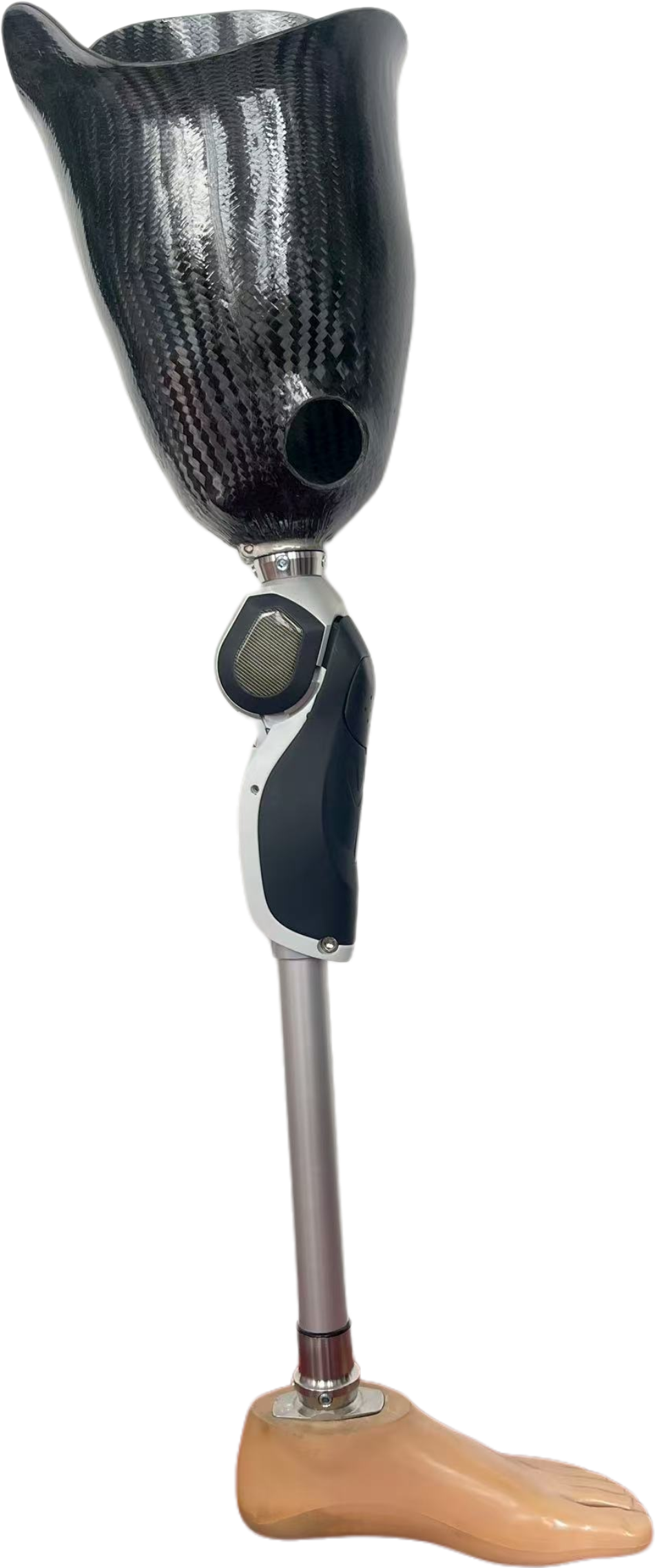
Top 5 Most Frequently Replaced Prosthetic Parts
Clinical data reveals consistent patterns in prosthetic part replacements, with five components accounting for over 70% of unplanned repairs across limb types. These high-failure parts experience accelerated wear due to biomechanical forces, material degradation, and physiological interactions:
- Liners degrade fastest (every 3–6 months) from constant skin contact and moisture exposure, requiring frequent swaps to prevent dermatological complications
- Sockets demand replacement every 1–2 years as residual limb volume fluctuates, causing fit issues for 65% of lower-limb users
- Prosthetic feet withstand daily ground-reaction forces, with heel/keel components wearing out annually in active users
- Suspension systems (straps, seals, locks) fail every 18–24 months from cyclic tensile stresses, causing 25% of emergency clinic visits
- Terminal devices in upper-limb systems require replacement every 1–3 years due to repetitive impact damage during gripping tasks
This concentration of failures highlights critical vulnerability zones where material innovation and maintenance protocols yield the highest clinical impact.
Why These Prosthetic Parts Fail: Biomechanical, Material, and Physiological Drivers
Prosthetic part failures stem from complex interactions between physical forces, material properties, and biological responses. Understanding these drivers helps clinicians anticipate replacement needs and improve patient outcomes.
Biomechanical Stress on Weight-Bearing Components
The parts of prosthetics that support weight actually have to handle forces that can be anywhere from 3 to 5 times what someone weighs when they're just going about their day. All this repeated pressure builds up at key points such as where the pylon connects and around the knee area, which speeds up wear and tear on these components. When people put extra strain on their prosthetics through normal movement, tiny cracks start forming in the parts that carry most of the load. Research shows something interesting here too: if someone exceeds the weight limit by even 10 kg, there's about a 27% higher chance those parts will fail sooner. The socket where the prosthetic attaches to the body faces some serious sideways force whenever someone walks, which explains why sockets need replacing so often and why they tend to fit differently as the remaining limb changes shape over time.
Material Fatigue and Interface Degradation Over Time
All prosthetic materials degrade through continuous use, but failure patterns vary significantly:
| Material Type | Primary Failure Mode | Average Lifespan |
|---|---|---|
| Polymer Liners | Tear propagation from friction | 6–18 months |
| Carbon Fiber Frames | Delamination under torsion | 3–5 years |
| Metal Joints | Fatigue cracks at stress points | 5–7 years |
The biological interface presents unique challenges: sweat pH variations accelerate corrosion, while volume fluctuations in residual limbs create unstable load distributions. This combination causes 68% of socket replacements within two years according to clinical audits. Material scientists now focus on self-lubricating composites and corrosion-resistant coatings to extend functional lifespans.
Replacement Frequency by Limb Type: Lower vs. Upper Limb Prosthetic Parts
Lower limb prosthetic parts endure distinct biomechanical stresses compared to upper limb components, driving divergent replacement patterns. Weight distribution and ambulation demands create unique failure profiles.
Lower Limb: Socket, Liner, and Suspension Systems Dominate Replacements
Socket interfaces require frequent replacement due to residual limb volume fluctuations—up to 15% daily fluid shifts compromise fit. Liners wear fastest from shear forces during gait cycles, while suspension systems fail from mechanical fatigue. Combined, these account for over 60% of lower limb replacements annually.
Upper Limb: Terminal Devices and Cables Show Distinct Wear Patterns
Terminal devices (hooks, hands) face accelerated wear from repetitive gripping and environmental exposure, requiring replacement every 12–18 months. Control cables degrade from constant tensioning during object manipulation, with 70% of users reporting cable fatigue within two years. Usage intensity directly correlates with replacement frequency.
Optimizing Prosthetic Parts Longevity: Clinical and Patient Strategies
Evidence-Based Volume Management to Extend Liner and Socket Life
Changes in residual limb volume really speed up the wear and tear on prosthetic sockets and their liners. Most socket replacements actually come down to these volume fluctuations, something that affects well over half of all users. Keeping tabs on daily measurements around the limb can catch those fluid shifts before they become problems. And there's also this thing called adjustable air suspension that keeps the fit from getting too tight or loose throughout the day. Wearing compression gear at night helps knock down swelling, which means the liner lasts longer since it doesn't get rubbed out as fast. People who actually pay attention to how their limb size changes and adjust their sock thickness accordingly tend to go about 30% longer between socket replacements. Makes sense when you think about it really.
Proactive Monitoring and Replacement Protocols for High-Failure Prosthetic Parts
Regular checkups for those parts that wear down fast, such as pylons and how things attach together, stops big problems from happening later on. Doctors actually tailor when these parts should be replaced looking at how much someone uses them day to day. Take manual workers for instance they might need their devices checked every three months whereas office workers could wait about a year between inspections. Some parts make noises when they start to fail, others change colors inside because of special materials added during manufacturing these signals help spot issues before they become serious in load bearing prosthetics. Following this routine cuts down on last minute repairs needed by roughly half according to what we've seen so far, all while keeping people mobile safely most of the time.
Frequently Asked Questions
Why do liners need frequent replacement?
Liners degrade quickly due to constant skin contact and moisture exposure, necessitating replacement every 3-6 months to prevent dermatological issues.
What factors lead to the frequent replacement of sockets?
Sockets need replacement every 1-2 years as the volume of the residual limb fluctuates, causing fit issues for roughly 65% of lower-limb users.
How do biomechanical forces affect prosthetic part longevity?
Biomechanical forces, such as weight-bearing pressures, can accelerate wear on prosthetic parts, contributing to cracks and fit changes that require replacements.
What can be done to extend the lifespan of prosthetic parts?
Monitoring changes in the limb, adjusting components like sock thickness, and proactive maintenance can help extend the lifespan of prosthetic parts.
Table of Contents
- Top 5 Most Frequently Replaced Prosthetic Parts
- Why These Prosthetic Parts Fail: Biomechanical, Material, and Physiological Drivers
- Replacement Frequency by Limb Type: Lower vs. Upper Limb Prosthetic Parts
- Optimizing Prosthetic Parts Longevity: Clinical and Patient Strategies
- Frequently Asked Questions