 EN
EN

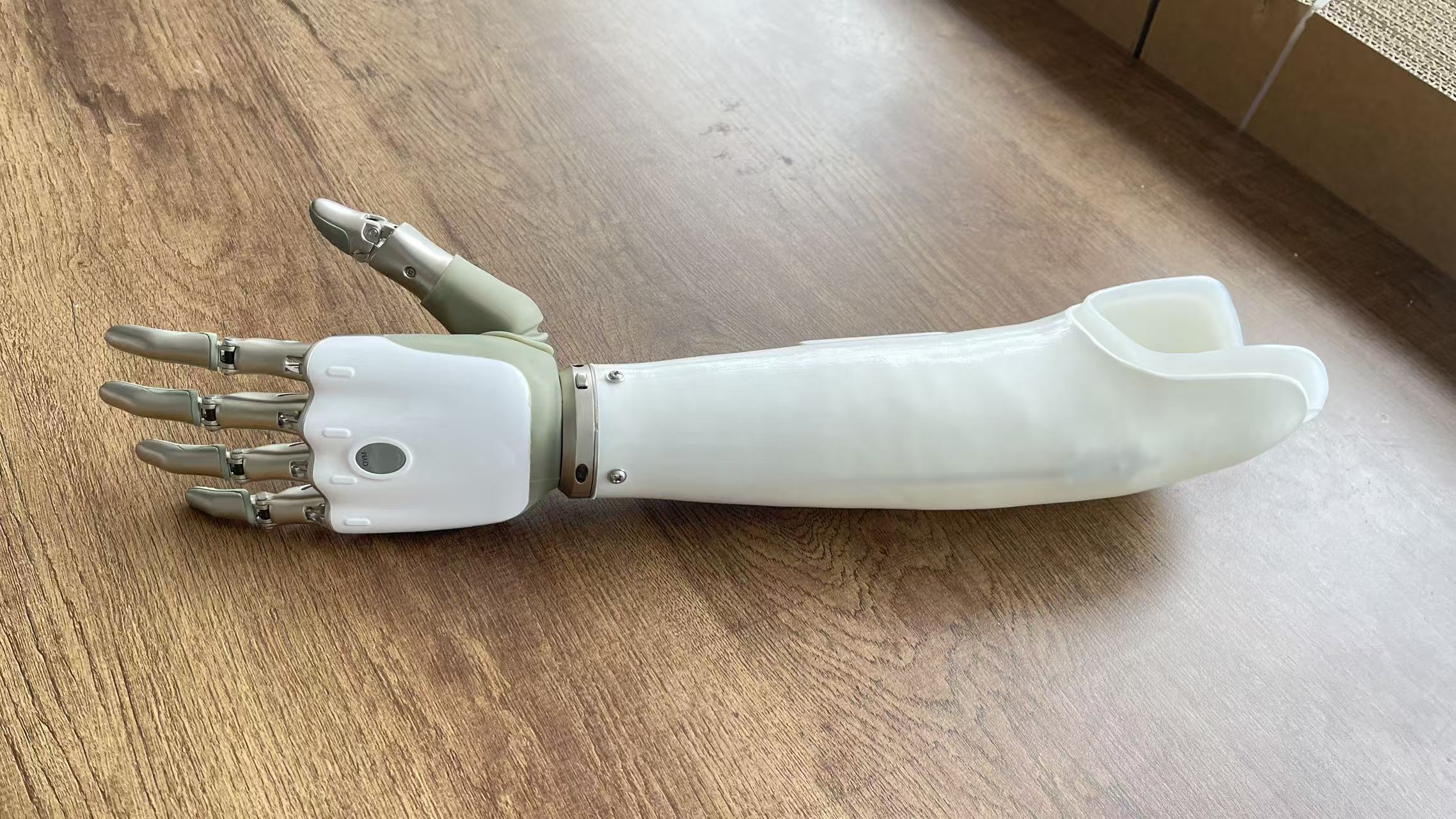
Intuitive, High-Fidelity Control Through Muscle Signals
Myoelectric hands work by picking up those tiny electrical signals coming from what's left of the muscles after amputation. We call this whole process electromyography, or EMG for short. When someone tries to move their missing hand, say opening it up or making a fist, these devices actually sense that neuromuscular activity happening inside the body. Then they translate what the person intends to do into real movement of the prosthetic hand itself. The actual sensors sit right in the socket where the device connects to the arm. These little gadgets grab onto the muscle contractions, but they also need to ignore all sorts of background interference. At the same time, they boost up those biological signals so the system can properly understand what the user wants to accomplish with their prosthetic limb.
How EMG Detection Enables Natural Movement Intent Recognition
EMG systems rely on electrode arrays that pick up the unique ways muscles fire when making different hand movements. Imagine someone thinking about picking up a coffee mug. The sensors actually catch those tiny muscle twitches in the forearm and send this information to processing units. Before getting to the main analysis stage, these raw signals need cleaning up from background interference and boosting so they're strong enough to work with. Then comes the clever part where software matches these cleaned-up signals against known patterns for various grips like pinching, full grasp or twisting motions. Today's best EMG systems can recognize what someone intends to do with their hand around 95% of the time thanks to looking at how signals spread across multiple points. This means people can switch between different hand actions smoothly without having to constantly adjust settings manually.
Real-Time Pattern Recognition and Adaptive Learning in Modern Myoelectric Hands
The latest processors come equipped with convolutional neural networks (CNNs) which keep improving how gestures are interpreted through analysis of live EMG data. The systems pick up on small changes in when and how strong muscles activate, enabling responses that adapt on the fly. Take a situation where someone's grip weakens after using something for a while this often happens when people get tired. The system will automatically adjust motor output so performance stays steady throughout. Research shows these adaptations cut down on unnecessary movements by about 29 percent and make force application much more consistent around 22% better actually. All this means less mental effort required to perform routine activities day in and day out.
Enhanced Comfort and Reduced User Fatigue
Eliminating Harnesses and Mechanical Cables: A Shift to Effortless Actuation
Old fashioned body powered prosthetics work through shoulder harnesses connected by cables which pull on the hand when someone moves their body. These mechanical connections create pressure spots all over the shoulders and arms, making people compensate with extra movements just to get basic functions working. That compensation leads to skin sores, ongoing pain, and limited movement over time. Myoelectric hands solve this problem completely different. They use small sensors placed on the skin to pick up electrical signals from what's left of the arm muscles. Those signals then get turned into actual hand movements without needing any pulling or pushing. Getting rid of those pesky cables and harness systems cuts down muscle strain by about two thirds according to research published last year in the Journal of Rehabilitation Research & Development. People who switch to these newer models find they can do things much easier now, like picking up fragile objects without crushing them or typing comfortably for long periods. No more dealing with annoying adjustments to pulleys or awkward postures that hurt after a while.
Lower Metabolic Demand—Especially Critical for Pediatric and Active Adult Users
Using body powered prosthetics takes a real toll on the body. Research indicates that people using these systems burn 30 to 50 percent more calories doing everyday stuff like shopping for groceries according to Clinical Biomechanics from last year. The extra energy drain hits kids particularly hard since growing bodies need those calories for development. Active adults who have to perform tasks requiring stamina also struggle with the added workload. Myoelectric devices help cut down on this problem thanks to their battery operated movement system. Kids wearing these newer models actually consume about 40% less oxygen when walking around compared to traditional prosthetics. Adults find they can work longer without getting exhausted too. Better metabolism means more people are willing to go for prosthetics overall. Younger users get back into playing games and keeping up with school activities, while grownups can enjoy outdoor adventures with special attachments for biking or hiking trails.
Greater Functional Independence via Programmable Grip and Strength
Multi-Grip Modes and Adaptive Force Control for Daily Tasks
Myoelectric hands with advanced features come equipped with different grip settings like precision, tripod, and power grips that adjust themselves according to what someone needs to do during their day. The system uses built-in sensors to figure out what's going on. When it comes to handling things, these prosthetics have something called adaptive force control which means they can change how hard they grab depending on what object is being held. Think about picking up delicate items such as eggs versus lifting heavier stuff like grocery bags from the car trunk without having to constantly tweak settings manually. These devices also include pressure sensitive motors that stop them from dropping things accidentally or crushing whatever they're holding, making life easier for people who need to focus on other aspects of their tasks rather than worrying about grip strength all the time. Behind all this functionality lies brushless DC technology that keeps everything running smoothly most of the time. Grip strengths are actually measured down to fractions of newtons so there's pretty good control over how safe and responsive the hand feels when interacting with objects in everyday situations.
Remote Configuration and Targeted Muscle Reinnervation (TMR) Compatibility
With smartphone apps now on the market, people can adjust their grip settings in real time – things like speed control, how hard they need to squeeze, and when different modes kick in – all without ever stepping foot in a clinic. What makes this even better is how it works hand in hand with something called Targeted Muscle Reinnervation or TMR for short. This surgery basically takes those nerves from an amputated limb and reroutes them so they can send clear signals to specific spots on the body. The result? Modern prosthetics actually read these muscle signals pretty well, letting someone twist their wrist while moving fingers at the same time. And for folks who lost their arm above the shoulder, this combination opens up whole new worlds of what's possible. They get control that feels almost like a natural reflex, proportionally adjusting just like a real arm would move.
Frequently Asked Questions (FAQ)
What is electromyography (EMG)?
Electromyography (EMG) is a technique for evaluating and recording the electrical activity produced by skeletal muscles. Essentially, it detects muscle activity and translates it into movements for prosthetic limbs.
How do myoelectric hands improve daily life for users?
Myoelectric hands can improve daily life by reducing the physical strain and metabolic energy required for movement, offering greater functional independence with programmable grips, and by providing a more comfortable experience compared to traditional prosthetics.
What makes targeted muscle reinnervation (TMR) special?
Targeted muscle reinnervation (TMR) reroutes the nerves from amputated limbs so that they can send signals to prosthetics, allowing for more refined and natural control over movements.