 EN
EN

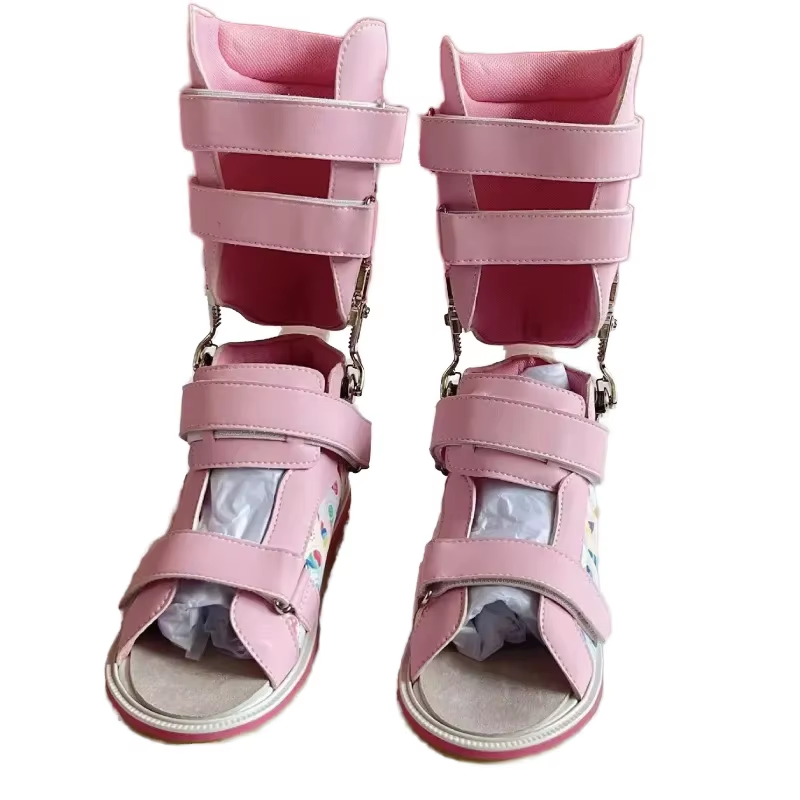
How Orthotic Supports Improve Mobility Through Biomechanical Correction
The Mobility-Biomechanics Link: How Misalignment Reduces Gait Efficiency and Endurance
How our bodies are aligned mechanically has a big impact on how efficiently we move around. When things get out of whack in the joints or bones - think too much rolling in of the feet or twisting hips - the body starts making adjustments that actually drain energy instead of saving it. Small alignment issues can cut down walking efficiency by maybe 15 percent or so, which means muscles have to push harder with every single step. People start feeling tired sooner, take shorter strides, and put extra strain on their joints. Take knees that turn inward when bearing weight, for instance. That kind of positioning boosts pressure on the outer part of the kneecap by roughly 30%, wearing down cartilage faster than normal. Special shoe inserts called orthotics help fix these problems right where they start. They realign things properly, get those movement patterns back to normal, and basically save energy so people can stay active longer without getting wiped out.
Core Orthotic Support Functions: Pressure Redistribution, Shock Absorption, and Joint Alignment
Modern orthotic supports enhance mobility through three biomechanical mechanisms:
- Pressure Redistribution: By expanding contact surfaces (e.g., metatarsal pads or arch supports), forces are dispersed away from high-impact zones. This prevents localized overload—critical for diabetic neuropathy, where peak pressures exceeding 75 N/cm² trigger ulceration.
- Dynamic Shock Absorption: Materials like viscoelastic polymers absorb 40–60% of ground reaction forces, reducing impact transmission to joints and soft tissues.
- Joint Alignment Control: Devices such as Ankle-Foot Orthoses (AFOs) maintain neutral joint angles during movement phases. A 2023 gait analysis found semi-rigid AFOs improved ankle dorsiflexion timing by 22%, preventing compensatory knee hyperextension.
Selecting the Right Orthotic Support: Custom, OTC, and Hybrid Solutions
Evidence-Based Comparison: When Prefabricated Orthotic Supports Match or Exceed Custom Outcomes
Studies show that ready-made orthotics work just as well as custom ones for about 60 percent of people with mobility issues according to the Journal of Orthopaedic Research from last year. These off-the-shelf options really shine when it comes to things like mild plantar fasciitis or moderate flat feet cases. They cut down on expenses by around 40 bucks per pair while still getting the job done effectively. What makes these generic supports stand out is how they handle standard arch support needs, already built-in pressure relief areas, and their ability to absorb shocks consistently across different foot types. Looking at data from a big study in 2022, researchers found basically the same results in terms of pain relief percentages (about 78% versus 81%) and improvements in walking patterns between good quality store-bought devices and those specially made for individuals, especially during everyday activities that don't put too much stress on the feet.
Clinical Decision Framework: Matching Orthotic Rigidity to Mobility Goals and Activity Demands
Orthotic rigidity selection directly impacts biomechanical correction effectiveness. Consider this evidence-based framework:
| Rigidity Level | Best For | Activity Examples |
|---|---|---|
| Rigid | Severe overpronation Post-surgical stabilization |
Marathon running Weightlifting |
| Semi-Rigid | Moderate arthritis Recurrent ankle instability |
Hiking Retail work |
| Soft | Diabetic neuropathy Early-stage plantar fasciitis |
Walking Standing desks |
High-impact athletes require rigid carbon fiber designs for joint alignment, while semi-rigid thermoplastic suits occupational standing. Soft EVA foam orthotics prioritize pressure redistribution for sensitive conditions. Mobility goals dictate material selection—stability demands rigidity, while comfort-focused cases benefit from adaptive materials.
Orthotic Supports for Condition-Specific Mobility Enhancement
Targeted Applications: Flat Feet, Plantar Fasciitis, Post-Ankle Sprain Instability, and Diabetic Neuropathic Foot Protection
Orthotics provide specific mechanical support for various movement issues people face every day. Take flat feet, also known as pes planus, for instance. Arch supports help spread out the pressure points and stop the foot from rolling too far inward, which takes some stress off the joints. People dealing with plantar fasciitis often find relief through orthotics with deep heel cups. These designs soak up impact forces and seem to cut down on the tightness felt in the plantar fascia area somewhere around 30% when walking normally. After an ankle sprain, those unstable ankles need something like semi-rigid braces that restrict side-to-side movement but still allow normal upward bending of the foot. Studies suggest this approach can actually halve the chances of getting hurt again versus just letting nature take its course. For individuals with diabetic neuropathy, special orthotics equipped with pressure mapping tech work wonders at preventing ulcers by spreading weight away from spots where sores tend to form most commonly.
| Condition | Orthotic Solution | Key Function | Outcome |
|---|---|---|---|
| Flat Feet | Custom Arch Supports | Pressure redistribution, alignment | Reduced joint strain |
| Plantar Fasciitis | Heel-Cupping Insoles | Shock absorption, tension reduction | 30% less fascia strain |
| Ankle Sprain Instability | Semi-Rigid Braces | Motion control, stability | 50% lower reinjury risk |
| Diabetic Neuropathy | Pressure-Dispersing Insoles | Ulcer prevention, even load distribution | Minimized tissue breakdown |
These condition-specific approaches transform orthotic supports from passive aids into active therapeutic tools, enhancing mobility while preventing secondary complications.
Integrating Orthotic Supports into Long-Term Mobility Management
FAQs
What are orthotic supports?
Orthotic supports are specially designed shoe inserts that correct biomechanical foot and leg issues to improve mobility.
How do orthotic supports improve mobility?
Orthotic supports improve mobility by redistributing pressure, absorbing shocks, and maintaining joint alignment.
Are custom orthotic supports better than prefabricated ones?
For about 60% of people, prefabricated orthotic supports are just as effective as custom ones, especially for conditions like mild plantar fasciitis and flat feet.
How do I select the right orthotic support rigidity level?
Orthotic rigidity level is chosen based on the severity of the condition and activity demands, ranging from rigid for severe cases to soft for sensitive conditions.