 EN
EN

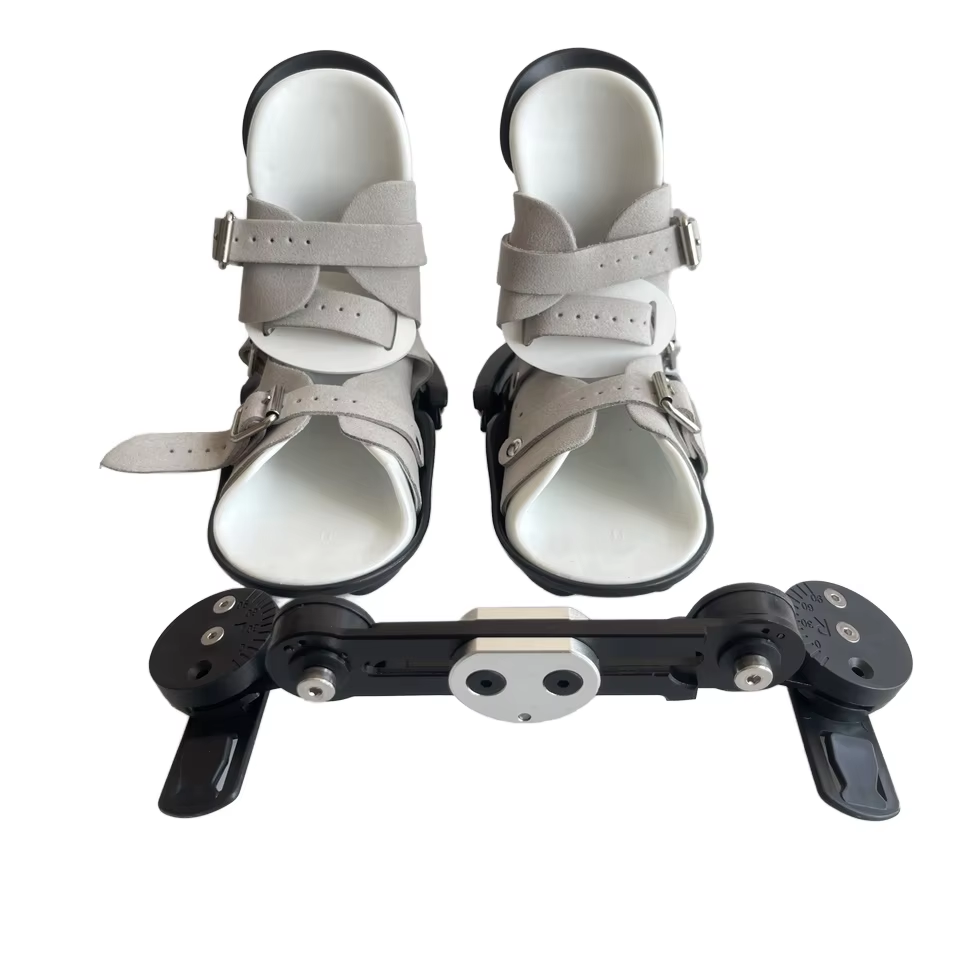
Orthotic Classification by Structure, Function, and Material
Rigid, Semi-Rigid, and Accommodative Orthotics: Mechanics, Materials, and Clinical Use Cases
Orthotics come in three main types: rigid, semi-rigid, and accommodative, each one working differently within the body's mechanics. The rigid kind is usually made from stuff like carbon fiber or thermoplastic materials. These offer maximum control and restrict movement, which makes them great for people dealing with serious issues such as plantar fasciitis, flat feet that don't bend much, or after surgery when stability is needed most. Semi-rigid options combine layers of polymer or composite materials to give both support and some flexibility. They help maintain proper foot alignment while walking and take some of the shock out of everyday steps. Many runners and other active individuals find these particularly helpful for overpronation problems. Accommodative orthotics work differently again, relying on soft materials including EVA foam, silicone, or those gel-like substances we all know from memory foam pillows. Their job is to spread out pressure points and protect sensitive areas of the foot. Doctors often prescribe these for patients at risk of developing foot ulcers (especially diabetics), those suffering from forefoot pain due to rheumatoid arthritis, or anyone recovering from trauma-related swelling. What really matters though isn't just what they're made of, but how well they fit into shoes and match up exactly with the contours of someone's unique foot shape.
Functional vs. Accommodative Orthotics: Aligning Biomechanical Goals with Patient Needs
Orthotics basically come in two main types that work together: ones that correct problems and ones that protect against them. The corrective kind actually changes how someone moves when there's something wrong, like if their feet roll too much outward or their legs twist improperly. These might include things like special cuts in the heel area, supports under the front part of the foot, or joints similar to ankle braces. Instead of just treating symptoms, they go after the root cause of the movement issues. On the other hand, protective orthotics simply fit around whatever deformities already exist without trying to change anything about alignment. They get made right onto the affected foot, which happens in conditions like severe bunions or certain nerve damage cases. Comfort and protecting tissues become the main focus here. When picking between these options, doctors look at more than just what condition someone has. Weight distribution patterns, daily activities, what shoes people wear, and what they want to achieve all matter. Recent research from multiple centers in 2023 showed folks who got custom-made corrective orthotics had about 40% less pain while walking compared to those using generic protective inserts. This really shows why investing in properly designed support makes such a difference instead of relying solely on basic padding.
Anatomical Application: Lower Limb, Spinal, and Pediatric Orthopedic Parts
Lower Limb Orthoses (AFOs, KAFOs, UCBLs): Joint-Specific Control and Mobility Support
Orthoses for lower limbs provide precise control along the entire kinetic chain of the body. Take AFOs, or Ankle Foot Orthoses, for example. These devices help manage issues like foot drop and unstable ankles that often happen after strokes or spinal injuries. They work by controlling how much the foot lifts (dorsiflexion) and stopping it from pointing too far down (plantarflexion) when walking. Then there are KAFOs, which stand for Knee Ankle Foot Orthoses. As the name suggests, these go one step further by stabilizing both the knee and ankle joints at the same time. Clinicians typically prescribe them for conditions such as polio, certain muscle disorders, or when ligaments have been damaged. The UCBL orthosis gets its name from the University of California where it was developed. This type helps fix problems with the subtalar joint in people with flexible flat feet. It does this through specially designed heel cups and side supports that take pressure off the main tendon running down the inside of the leg. All these different types rely on what's called a three-point force system to keep joints properly aligned while still allowing normal walking patterns. Choosing the right materials matters a lot too. The device needs to be rigid enough to do its job but not so stiff that it causes discomfort or makes patients compensate in other ways. Finding that balance between support and comfort is really what makes these orthoses effective in practice.
Spinal and Pediatric Orthopedic Parts: Growth Considerations, Compliance, and Adaptive Design
When it comes to kids' orthopedic gear, thinking ahead about their growth is absolutely essential. Take those spinal braces used for adolescent idiopathic scoliosis, like TLSOs (thoracolumbosacral orthoses). These braces have adjustable straps and padding sections that can be changed as the child grows, all while still providing the necessary corrective force. For young patients with conditions such as cerebral palsy or myelomeningocele, manufacturers focus on making these devices lighter weight, often using materials like carbon fiber composites. They also create custom molded contact points to avoid skin issues and design them with parts that can be replaced rather than buying entirely new braces every few months. Some newer models now include smart materials that change stiffness depending on how the kid moves around. Research published last year showed these adaptive braces actually got worn longer by patients, with compliance rates jumping 34% compared to traditional static versions. What we're seeing here is part of bigger picture change in clinical approaches moving away from fixed solutions toward something that adapts with the growing body over several years instead of just a couple months.
Evidence-Based Selection of Orthopedic Parts for Optimal Outcomes
When it comes to picking orthopedic components, doctors need to base their choices on solid research instead of relying on old stories or traditional methods. Medical professionals look at various factors including published biomechanical findings, long-term study results, and actual performance data during assessments of how well materials hold up, handle loads, and work together at interfaces. Take polymer composites for instance these new materials show around 40 percent better resistance to wear compared to stainless steel when used in situations where they bear repeated weights, which means devices last longer before needing replacement according to recent studies in the Journal of Biomechanics. Biocompatibility remains another key concern since materials that pass non-toxicity tests cause fewer inflammation issues in patients bodies. Matching loads dynamically is important too because this ensures structures can withstand what each person's walking pattern throws at them. How well something integrates into practice makes a difference as well. Devices that fit naturally without requiring major adjustments during surgery tend to result in fewer complications overall. Looking at both ISO 13485:2023 certifications for manufacturing quality alongside real world outcomes has been shown to cut down on repeat surgeries by roughly one third while improving patient happiness levels considerably. At the end of day, making good choices requires combining thorough science with practical experience on the ground transforming how we approach orthopedic treatments from simply managing symptoms reactively to actually restoring function in a lasting way.
FAQ Section
What are rigid orthotics made of?
Rigid orthotics are usually made from materials such as carbon fiber or thermoplastic, offering maximum control and support.
What conditions do semi-rigid orthotics help with?
Semi-rigid orthotics are beneficial for conditions like overpronation, providing support while allowing some flexibility.
Why are accommodative orthotics prescribed?
Accommodative orthotics are prescribed to redistribute pressure and protect sensitive areas of the foot, particularly in diabetic patients at risk of ulcers or those with rheumatoid arthritis.
How do corrective orthotics differ from protective orthotics?
Corrective orthotics aim to alter movement patterns to address alignment issues, while protective orthotics accommodate existing deformities without altering alignment.
What considerations are important for pediatric orthotics?
Pediatric orthotics require consideration for growth and adaptability, focusing on materials and designs that can adjust as a child grows.
What factors influence the selection of orthopedic parts?
Selection is influenced by biomechanical findings, material performance data, biocompatibility, and real-world outcomes.