 EN
EN

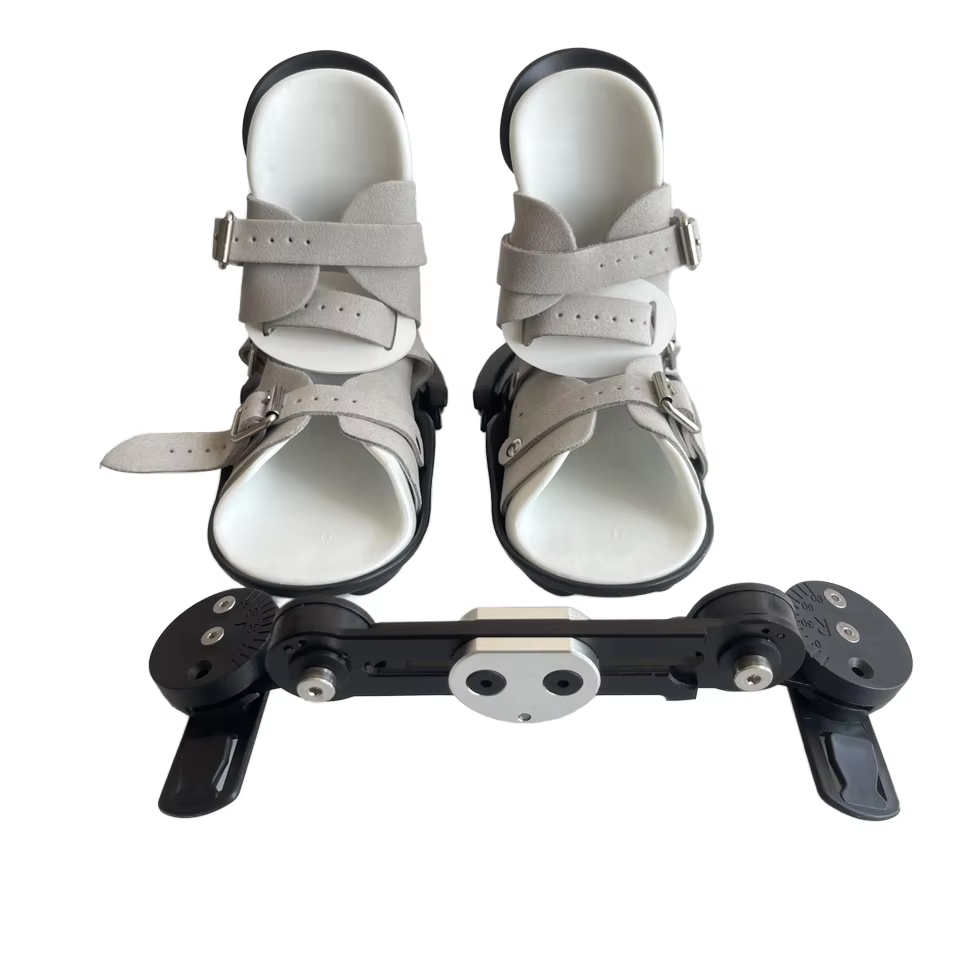
Biomechanical Stabilization: The Foundational Role of Orthopedic Parts in Early Recovery
Controlling Motion to Protect Healing Tissues and Prevent Re-Injury
Orthopedic devices help keep things moving properly during those first few weeks of recovery by limiting movements that could do more harm than good. Think about how they stop unwanted rotations when someone has ligament damage or prevent too much bending after a fracture. These devices take pressure off sensitive areas so cells can regrow without interference. Studies have found that when patients get proper support, their chances of getting hurt again drop around 40% compared to people who try to heal on their own. What's interesting is that newer models aren't just about keeping everything locked down. They actually allow for small, controlled movements that seem to help align collagen fibers better and generally improve the quality of healing tissue over time.
Material Science Advances: Lightweight, Load-Adaptive Orthopedic Parts for Dynamic Support
Recent breakthroughs in polymer science along with composite engineering have made it possible to create orthopedic components that actually respond to what the body needs. Take shape memory alloys for example these special materials get stiffer when someone is moving around but become softer when they're resting because of changes in body temperature. That means extra support during physical activity but maximum comfort when recovering from surgery or injury. Carbon fiber reinforcement has also revolutionized things by making devices about two thirds lighter than metal alternatives without sacrificing strength. The way these advanced materials handle mechanical stress is pretty remarkable too. They spread out pressure over time allowing injured areas to gradually take on more load as they heal naturally. For patients undergoing rehabilitation programs this kind of smart material interaction makes all the difference between sitting idle and staying active without causing further damage.
Strategic Integration of Orthopedic Parts into Rehabilitation Pathways
Aligning Orthopedic Part Use with Tissue-Specific Healing Timelines (Ligament, Bone, Cartilage)
Getting devices to work properly means matching what they do with how tissues naturally heal inside the body. Ligaments take their time healing, usually around six to twelve weeks because they don't get much blood flow. Bones on the other hand can rebuild faster, about four to eight weeks typically. Cartilage is even slower sometimes taking longer than three months to fix itself. Take knee braces as an example. When someone's ligaments are still healing, a good brace will limit twisting motions but still allow straight line pressure that actually helps bones grow stronger. Studies indicate that when we apply this kind of targeted relief, tendons experience about sixty percent less strain than joints left unsupported. This makes a big difference in preventing injuries from happening again during those crucial recovery periods.
Collaborative Protocols: How Physical Therapists and Orthotists Co-Design Progressive Unloading Plans
The best results come when orthotists work closely together with physical therapists on patient cases. Orthotists design braces and supports that can be adjusted using things like dial controls or removable parts, while therapists track how much weight patients can handle based on what they see in the tissues. There are standard guidelines for reducing the amount of outside support over time, sometimes cutting it down by about 40% as the body heals, which helps prevent muscles from wasting away and keeps the nervous system connected properly. Some newer braces even have built-in sensors that let doctors watch walking patterns in real time, so they can tweak how weight is distributed during rehabilitation exercises with greater accuracy.
Evidence-Based Selection: Matching Orthopedic Parts to Injury Type and Recovery Goals
Choosing appropriate orthopedic components really comes down to good clinical judgment based on what kind of injury someone has, where they are in their healing process, and what their functional goals might be. For example, when dealing with a severe ankle break, doctors usually go for strict immobilization to keep bones properly aligned. But if someone has just torn part of their ACL, a different approach works better. Dynamic braces allow limited movement during recovery, which helps rebuild connective tissues while still keeping the joint stable enough. Research shows that tailoring treatment specifically to each patient can cut recovery time anywhere from around 18% to maybe even 34% compared to one-size-fits-all methods. This happens mainly because customized solutions distribute weight across injured areas more effectively, reducing chances of further harm. When making decisions about treatment plans, clinicians consider several important aspects: first, the biological phase of healing (whether inflammation is still active or new tissue growth has started), second, how physically demanding daily activities will be for the person recovering, and third, any underlying health conditions such as weak bones. As patients progress through rehabilitation, their support systems gradually shift from complete immobilization to more flexible options once balance senses and muscle control start coming back online. The goal throughout remains simple yet crucial: provide adequate protection exactly where it's needed most at every stage of recovery.
Avoiding Pitfalls: When Over-Reliance on Orthopedic Parts Hinders Neuromuscular Re-Education
Clinical Signs of Delayed Weaning and Strategies for Timely Transition to Functional Independence
Using braces or supports for too long can actually mess up the body's ability to relearn how nerves and muscles work together after an injury. When someone relies on these supports too much, several warning signs show up. The quadriceps often stop working properly after knee surgery, people start walking in strange ways to compensate, and those tiny deep stabilizing muscles shrink over time. Studies have found that keeping someone in a brace longer than needed typically adds about 2 to 4 extra weeks onto their recovery period, which means more money spent on rehabilitation. Most doctors try to get patients off their braces gradually through different stages. They might start by letting someone wear it less while doing simple exercises like riding a stationary bike, then move on to balance training on uneven surfaces, and finally introduce elastic bands during strength workouts. Special pressure maps help track whether both legs are pushing equally hard, so therapists know when it's safe to take the brace away completely. The goal is always to treat orthopedic devices as temporary helpers rather than lifelong replacements for normal muscle control.
FAQ Section
How do orthopedic devices aid in early recovery?
Orthopedic devices help by limiting motions that could damage healing tissues, allowing controlled movements that enhance tissue healing, and reducing pressure on sensitive areas.
What are some examples of materials used in modern orthopedic parts?
Modern orthopedic parts use advanced materials like shape memory alloys and carbon fiber reinforcement, which provide dynamic support and are lightweight.
How should orthopedic parts be aligned with tissue healing timelines?
Orthopedic parts should be aligned based on the tissue type; ligaments typically heal slower than bones, and cartilage might take even longer.
What role do orthotists play in rehabilitation?
Orthotists design adjustable braces and work with physical therapists to create progressive unloading plans to reduce dependency on supports as healing progresses.
Why is it important to not over-rely on orthopedic parts?
Over-reliance can delay the body's neuromuscular re-education. Timely transition away from these supports is crucial for natural muscle control.
Table of Contents
- Biomechanical Stabilization: The Foundational Role of Orthopedic Parts in Early Recovery
- Strategic Integration of Orthopedic Parts into Rehabilitation Pathways
- Evidence-Based Selection: Matching Orthopedic Parts to Injury Type and Recovery Goals
- Avoiding Pitfalls: When Over-Reliance on Orthopedic Parts Hinders Neuromuscular Re-Education
- FAQ Section