 EN
EN

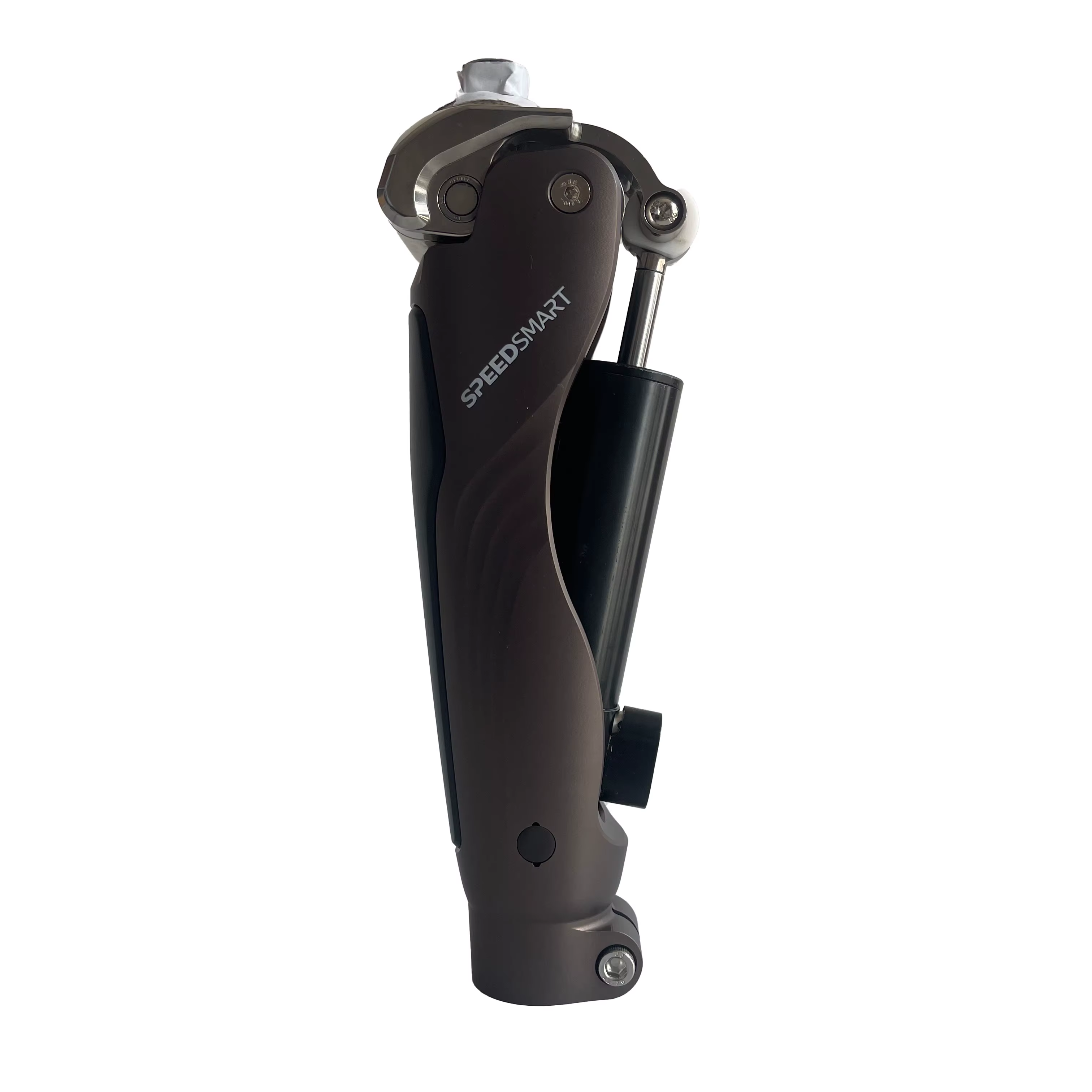
Restoring Natural Gait and Mobility with Bionic Knee Joints
Improved Walking Speed and Endurance in Clinical Studies (Aged 65+)
Tests show that these new bionic knees really boost how well older people who've lost limbs can walk around. People in their later years who tried out the neuroprosthetic devices walked about 41 percent faster at their top speed than those with regular passive prosthetics according to research published in Nature Medicine last year. What makes this tech so helpful is that it cuts down on the physical effort needed, which means seniors can stay out walking longer before getting tired. The way these knees work with the nervous system creates a kind of feedback mechanism that lets them adjust automatically when going over different kinds of ground, almost like having a real leg again. Most importantly, this helps maintain independence for daily activities that many take for granted.
Superior Stair Negotiation and Obstacle Clearance vs. Passive Prostheses
When it comes to dealing with tricky environments, bionic systems generally perform better than old fashioned socket based prosthetics. Studies indicate around 30 percent better results when climbing stairs and about 25 percent fewer times people need to correct their balance while moving over obstacles for those over 65 years old according to Science magazine from 2025. What makes them different from regular passive limbs is that these advanced joints have microprocessors inside which constantly tweak how much force they apply and what angle they bend at based on what's happening underfoot right now. This means greater stability when walking across uneven ground. People using these devices experience fewer falls during everyday situations such as stepping up onto curbs or maneuvering through busy areas something that standard prosthetics struggle with quite often.
Reducing Physical Burden: Pain, Fatigue, and Fall Risk
Osseointegration and Mechanoneural Control Minimize Socket Discomfort
Many older amputees experience problems with traditional socket prosthetics including persistent limb pain and skin sores. The solution comes in the form of bionic knees that integrate directly with the body through osseointegration technology where a titanium implant fuses with the femur bone itself. This eliminates those annoying pressure points we get from regular sockets. These advanced devices have mechanoneural sensors which pick up on muscle contractions and translate them into smooth movement patterns. They also help reduce those awkward compensatory motions that tend to put extra strain on hips and lower back areas. According to a recent study conducted in 2024, patients who switched to this technology experienced about two thirds less skin related problems compared to what they had with standard sockets. Most users find they need far fewer adjustments throughout their day and generally suffer much less discomfort while going about their normal activities.
Lower Energy Expenditure and Enhanced Stability During Daily Ambulation
Elderly users expend 15–20% less metabolic energy walking with microprocessor-controlled bionic knees versus passive prosthetics. The adaptive stance phase locks automatically during weight-bearing, preventing sudden collapses. Real-time incline adjustment maintains center of gravity on slopes. Key stability benefits include:
- 40% shorter recovery time after balance disturbances
- 30% reduced step variability on uneven surfaces
- Near-natural cadence synchronization with sound limbs
Gait lab analyses (GeronTech 2023) show these features translate to 50% fewer falls in community ambulation. Reduced physical strain means less afternoon fatigue and greater participation in daily activities.
Validated Outcomes: Functional Gains and Quality-of-Life Improvements
Tests show that older adults who lose a leg can actually recover a lot of function when they switch to bionic knees instead of regular prosthetics. People using these advanced devices get up from sitting positions about 72% quicker than those with standard prostheses, which makes a real difference in everyday activities such as preparing meals or getting dressed by themselves. A major research project back in 2022 from the Journal of Rehabilitation Medicine found something pretty impressive too: nearly 78% of seniors over age 70 were able to take at least 5,000 steps each day just six months after starting to use their new bionic legs. And all this extra movement doesn't just look good on paper it translates into better lives for these individuals, giving them back much needed independence and confidence in their daily routines.
- Social Reintegration: 68% report increased participation in family gatherings and community activities
- Mental Wellbeing: Hospital Anxiety Scale scores decreased by 41% post-adoption
- Reduced Care Dependency: Caregiver assistance hours dropped by 29% in longitudinal tracking
These outcomes highlight how microprocessor-controlled joints transcend mechanical function—actively enabling life reengagement and countering isolation patterns common among geriatric amputee populations. Physical gains thus manifest as holistic wellness restoration.
Practical Considerations for Adoption in Geriatric Care
Rehabilitation Requirements, Cost Accessibility, and Long-Term Support
Integrating a bionic knee joint into geriatric rehabilitation requires addressing three critical factors:
- Specialized therapy protocols typically involve 8–12 weeks of neuromuscular retraining to optimize neural integration with prosthetic sensors
- Financial accessibility remains paramount, with comprehensive care packages (device + rehabilitation) averaging $45,000–$75,000—though Medicare Part B covers 80% for qualifying mobility impairments
- Ongoing technical support demands regional service networks, as 68% of elderly users require quarterly gait recalibration and component maintenance
| Key Adoption Factors | Implementation Considerations |
|---|---|
| Rehabilitation | - Neuromotor adaptation training (12 weeks minimum) - Fall-prevention protocols |
| Financial Accessibility | - Insurance pre-authorization pathways - Secondary funding partnerships (NGO/Veteran programs) |
| Long-Term Technical Support | - Regional service center availability - Remote diagnostics capability |
Studies indicate patients over 65 often underestimate lifetime care requirements by 40–60%, necessitating clear education about upgrade cycles and maintenance commitments. Sustainable adoption hinges on coordinated care teams addressing both physiological adaptation and socioeconomic barriers through integrated support systems.
FAQ
What are bionic knee joints?
Bionic knee joints are advanced prosthetic devices equipped with microprocessors that adjust in real-time to improve gait, mobility, and stability in users, especially the elderly who have lost limbs.
How do bionic knees enhance walking speed and endurance?
Bionic knees integrate with the body's nervous system to reduce physical effort required for walking, allowing seniors to walk faster and longer without tiring quickly.
What makes bionic knees superior to passive prostheses in negotiating stairs and obstacles?
The microprocessors in bionic knees adjust force and angle as users encounter different terrains, improving stability and reducing the need for balance correction.
How do bionic knee joints reduce physical discomfort?
They use osseointegration and mechanoneural sensors to eliminate pressure points and translate muscle contractions into smooth movements, reducing strain on hips and lower back.
What are the financial considerations for adopting bionic knee joints?
While the initial cost of bionic knees and rehabilitation packages may range from $45,000–$75,000, Medicare Part B may cover 80% for qualifying mobility impairments.
What long-term support is necessary for bionic knee users?
Elderly users require regular gait recalibration and component maintenance through regional service networks to ensure optimal function.
Table of Contents
- Restoring Natural Gait and Mobility with Bionic Knee Joints
- Reducing Physical Burden: Pain, Fatigue, and Fall Risk
- Validated Outcomes: Functional Gains and Quality-of-Life Improvements
- Practical Considerations for Adoption in Geriatric Care
-
FAQ
- What are bionic knee joints?
- How do bionic knees enhance walking speed and endurance?
- What makes bionic knees superior to passive prostheses in negotiating stairs and obstacles?
- How do bionic knee joints reduce physical discomfort?
- What are the financial considerations for adopting bionic knee joints?
- What long-term support is necessary for bionic knee users?